The Truth About Food at All-Inclusive Resorts in 2026
All-inclusive food has a bad reputation. Here's what's actually changed, which brands take dining seriously, and what to realistically expect.
"The food was terrible" is the most common all-inclusive complaint in guest reviews — and also the most outdated. The all-inclusive dining landscape has transformed dramatically in the last five years, but old stereotypes persist. Here's what food quality actually looks like at all-inclusive resorts in 2026.
The Old Stereotype (And Why It Existed)
The negative reputation isn't baseless. In the 2000s and early 2010s, many all-inclusive resorts operated on a simple formula: cram as many guests as possible into a buffet, keep costs per plate under $3, and make up the margin on drink markups and room rates. The result was predictable — bland buffets, limited variety, and the culinary equivalent of airplane food.
What Changed
Three things fundamentally shifted the dining equation:
1. Competition from luxury brands. When Grand Velas, Excellence, and later Hyatt and Marriott entered the all-inclusive market with genuinely good restaurants, budget brands had to improve or lose market share. The floor rose for everyone.
2. Social media and review culture. TripAdvisor and Instagram made food quality visible. Resorts can't hide behind glossy brochures anymore — guests post real photos of every plate. Resorts that serve mediocre food get punished in reviews, which directly impacts bookings.
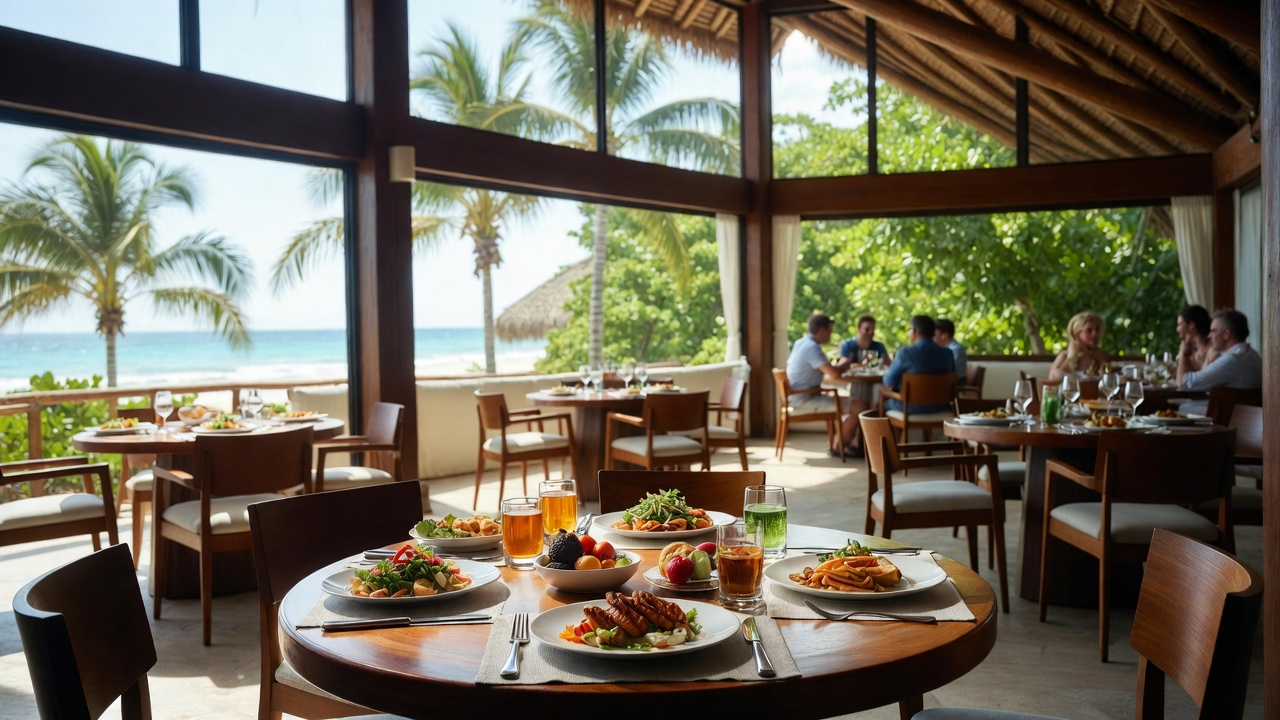
3. The "specialty restaurant" model. Instead of one massive buffet, modern all-inclusives now operate 6-15 themed restaurants per property. Italian, Japanese, Mexican, steakhouse, French, fusion — each with dedicated chefs. This gives guests variety and creates internal competition among restaurant teams.
What to Expect by Price Tier
Budget ($150-250/night): Food is functional but not exciting. Buffets are the main venue. One or two specialty restaurants may be available but require reservations. Drinks are basic well liquor. Examples: budget RIU and Iberostar properties.
Mid-range ($250-400/night): This is where value peaks. You'll find 5-8 restaurants with competent execution, decent wine lists, and genuinely good specialty options. The buffet is noticeably better than budget tier. Brands like Bahia Principe, mid-range Iberostar, and Club Med deliver well here.
Premium ($400-600/night): Excellent dining is expected and delivered. Multiple fine-dining options, premium spirits, sommelier programs, and creative menus. Secrets, Sandals, and Excellence properties consistently earn praise for food quality.
Luxury ($600+/night): Restaurant-quality dining that rivals independent fine dining. Grand Velas employs a culinary director and runs cooking programs. Hyatt Zilara sources locally and offers wine pairing dinners. At this tier, "all-inclusive food is bad" is simply wrong.
Tips for Maximizing Dining Quality
- Book specialty restaurants early. The best restaurants fill up. Make reservations on day one for the rest of your stay.
- Eat at the buffet for breakfast, specialty for dinner. Buffet breakfasts are universally good (it's hard to mess up eggs, fruit, and pastries). Save your specialty dining slots for dinner.
- Read Resort Flock's dining guide first. Each resort profile lists every restaurant, what's included vs. extra, and what guests say about specific venues.
- Give feedback. Resort chefs actually read guest surveys. If a dish is great, say so. If the steak was overcooked, mention it politely. Resorts that track dining feedback improve faster.
For a comprehensive overview, see our All-Inclusive Dining Guide.