Planning an All-Inclusive Trip for a Large Group? Read This First
Group trips to all-inclusive resorts come with unique logistics. Here's how to manage bookings, room blocks, and group activities.
Organizing an all-inclusive trip for 8, 12, or 20+ people sounds amazing in theory. In practice, it's a logistical puzzle that can go wrong in a dozen ways. Whether it's a destination wedding, milestone birthday, family reunion, or friend group trip, here's what you need to know to pull it off without losing your mind.
Booking Strategy
Book through the resort's group coordinator, not an OTA. Most all-inclusive resorts have dedicated group sales teams that handle parties of 8+ rooms. They offer benefits you won't get booking individually:
- Room block discounts (typically 10-20% off published rates)
- Complimentary room upgrades for the organizer
- Group dining reservations at specialty restaurants
- Private event spaces and activities
- Flexible deposit and payment schedules
Start the process 6-12 months in advance. Popular resorts sell out room blocks during peak season, and you need time to coordinate with your group.
Choosing the Right Resort
Not every all-inclusive handles groups well. Look for:
- 300+ rooms — smaller boutique resorts get disrupted by large groups, and your party won't have enough variety in restaurants and activities
- Multiple pool areas — so your group can spread out rather than monopolize one pool
- 6+ restaurants — ensures everyone can eat together without taking over the entire restaurant
- Meeting/event space — essential for weddings, team events, or any organized activities
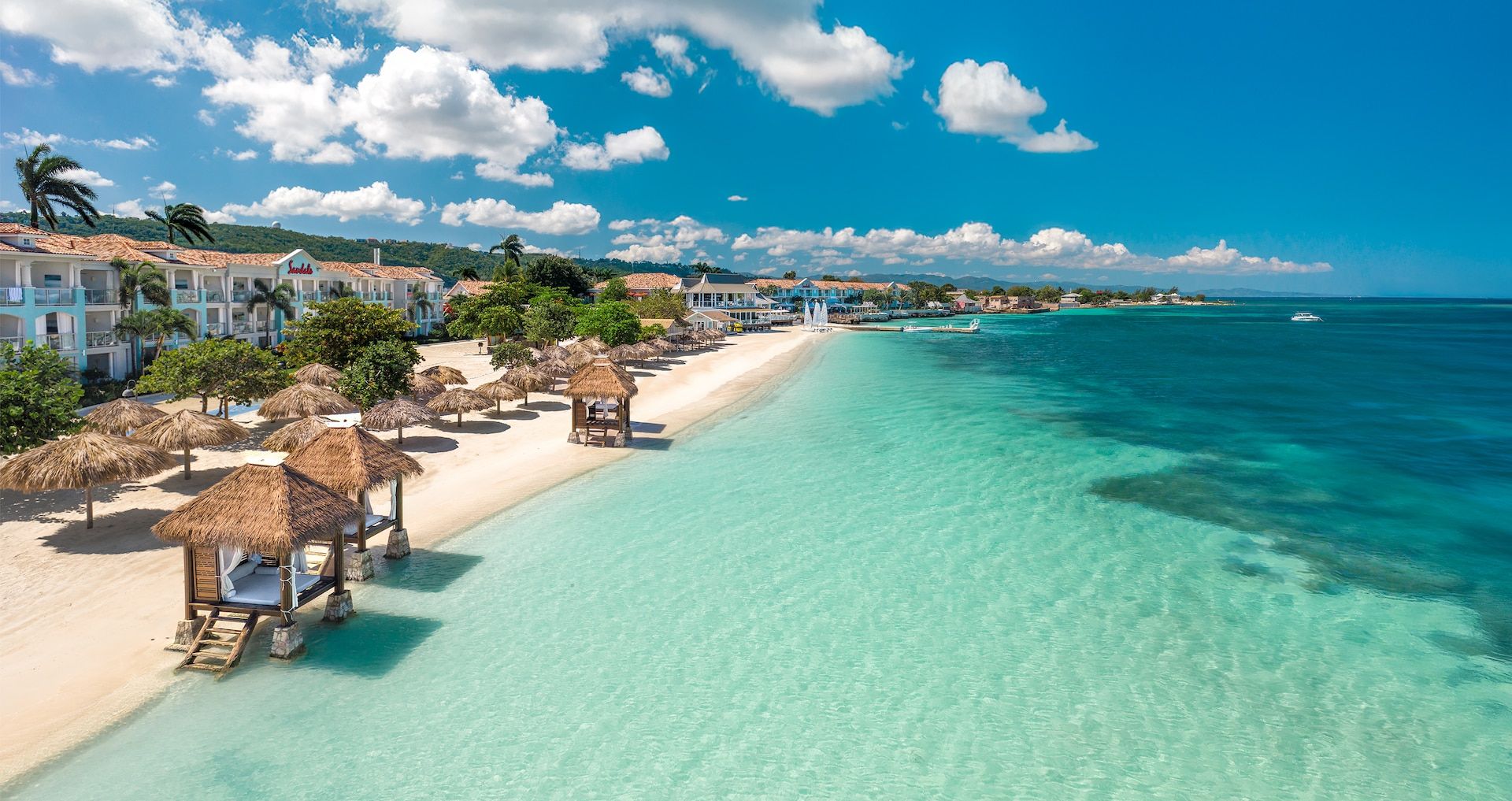
Brands that excel at group travel include Sandals (especially for weddings), Club Med (family reunions), RIU (large properties with group infrastructure), and Bahia Principe (massive complexes that absorb groups easily).
Managing the Budget
The biggest source of group trip conflict is money. All-inclusive helps by making the base cost predictable, but you still need to handle:
- Room category disparities — some guests want ocean view, others want the cheapest option. Book a range and let people choose their own level
- Shared expenses — excursions, private dinners, and spa days need a clear split-the-cost plan before the trip
- Payment deadlines — set non-negotiable deposit dates and communicate them early. Nothing torpedoes a group trip faster than last-minute dropouts
Keeping Everyone Happy
The single biggest mistake group organizers make: over-scheduling. Not everyone wants to do everything together. Build in plenty of unstructured time.
A good group trip structure:
- One group dinner per stay (not every night)
- One group excursion or activity
- A daily meeting point (e.g., "we'll be at the main pool from 11 AM") for anyone who wants to join
- Everything else optional
This lets social butterflies hang out constantly while giving introverts the freedom to recharge without FOMO guilt.
Communication
Create a group chat (WhatsApp works well internationally) and establish these norms early:
- One pinned message with: resort name, check-in/out dates, confirmation numbers, and airport transfer details
- Daily "plans" message from the organizer (optional, not mandatory)
- No pressure — "if you want to join, great; if not, no worries" should be the vibe
For resort recommendations based on your group size and type, browse our resort directory filtered by your destination, or use our comparison tool to evaluate options side by side.