
Making the Most of All-Inclusive Dining
Dining is consistently ranked as the single most important factor in all-inclusive guest satisfaction. A great meal can define a vacation memory; a disappointing one can sour an otherwise perfect trip. The good news is that all-inclusive dining has evolved enormously over the past decade, with leading brands investing heavily in chef talent, ingredient quality, and restaurant variety. Today's best all-inclusive resorts rival standalone restaurants in quality while offering the unbeatable convenience of eating whenever and wherever you want, without ever seeing a check.
This guide covers everything you need to know to make the most of your all-inclusive dining experience — from understanding the types of restaurants you'll encounter to mastering reservation strategies, navigating dress codes, handling dietary needs, and identifying which brands deliver the best culinary experiences. Whether you're planning a trip to Sandals Royal Barbados with its dozen-plus dining options, or the family-friendly feast at Hyatt Ziva Cap Cana, these strategies will help you eat well from your first morning to your final evening.
Types of Restaurants at All-Inclusive Resorts
Understanding the restaurant landscape at an all-inclusive resort helps you plan your dining strategy and set appropriate expectations for each meal. Most mid-range and luxury all-inclusive resorts offer a mix of the following restaurant types.
The Main Buffet: Every all-inclusive resort has at least one buffet restaurant, and it's typically the largest, most flexible dining option on the property. Buffets serve breakfast, lunch, and dinner with rotating themes (Caribbean night, Mexican fiesta, Italian evening, Asian night, etc.). Quality varies enormously by brand and property — at budget resorts, the buffet may be your only option and can feel repetitive by mid-week. At luxury properties like Excellence Resorts or Sandals, the buffet is a high-quality option with made-to-order stations, fresh seafood, and premium desserts. The buffet is usually the only restaurant that doesn't require reservations, making it the default option when you're hungry and spontaneous.
Specialty (A La Carte) Restaurants: These are the crown jewels of all-inclusive dining. Specialty restaurants offer seated, a la carte dining with specific cuisines — Italian, Japanese/teppanyaki, French, steakhouse, seafood, Mexican, Indian, and more. You order from a menu, food is prepared to order, and the experience mimics a standalone restaurant. Mid-range resorts typically offer 3-6 specialty restaurants; luxury brands may offer 8-15+. Sandals Royal Barbados gives guests access to restaurants across multiple Sandals properties in Barbados, creating an extraordinary range of dining options.
Casual and Poolside Dining: Most resorts have at least one casual restaurant near the pool or beach serving burgers, grilled items, tacos, pizza, and lighter fare throughout the day. These are perfect for midday meals when you don't want to leave the pool area or dress up. Don't overlook these — at properties from Hyatt Ziva and Iberostar, the casual dining spots often serve surprisingly excellent food with fresher, simpler preparations that can outshine the more formal restaurants.
Cafe and Snack Options: Many resorts operate cafes, creperies, ice cream parlors, and 24-hour snack bars. These fill the gaps between main meals and are especially valuable for families with kids who eat on unpredictable schedules. Club Med is known for keeping food available throughout the day with their "anytime dining" philosophy, and Dreams Resorts operates 24-hour room service that's included in the all-inclusive rate.
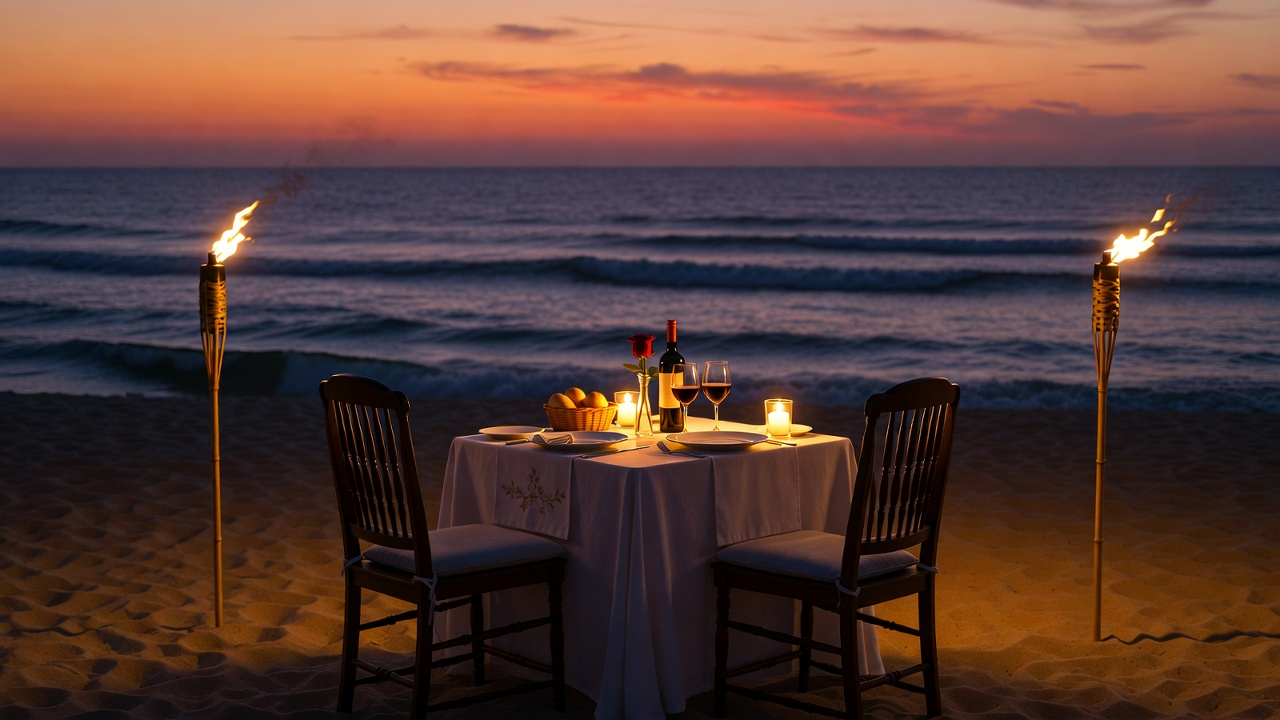
Premium and Chef's Table Experiences: An emerging trend at luxury all-inclusives is the premium dining experience — think multi-course tasting menus, wine pairing dinners, private beachfront dinners, and chef's table experiences. Some are included in the rate; others carry a supplementary charge of $50-150 per person. Palace Resorts, Hard Rock All-Inclusive, and Sandals have all introduced premium dining concepts that elevate the culinary experience beyond standard all-inclusive offerings.
Reservation Strategies: How to Eat Where You Want
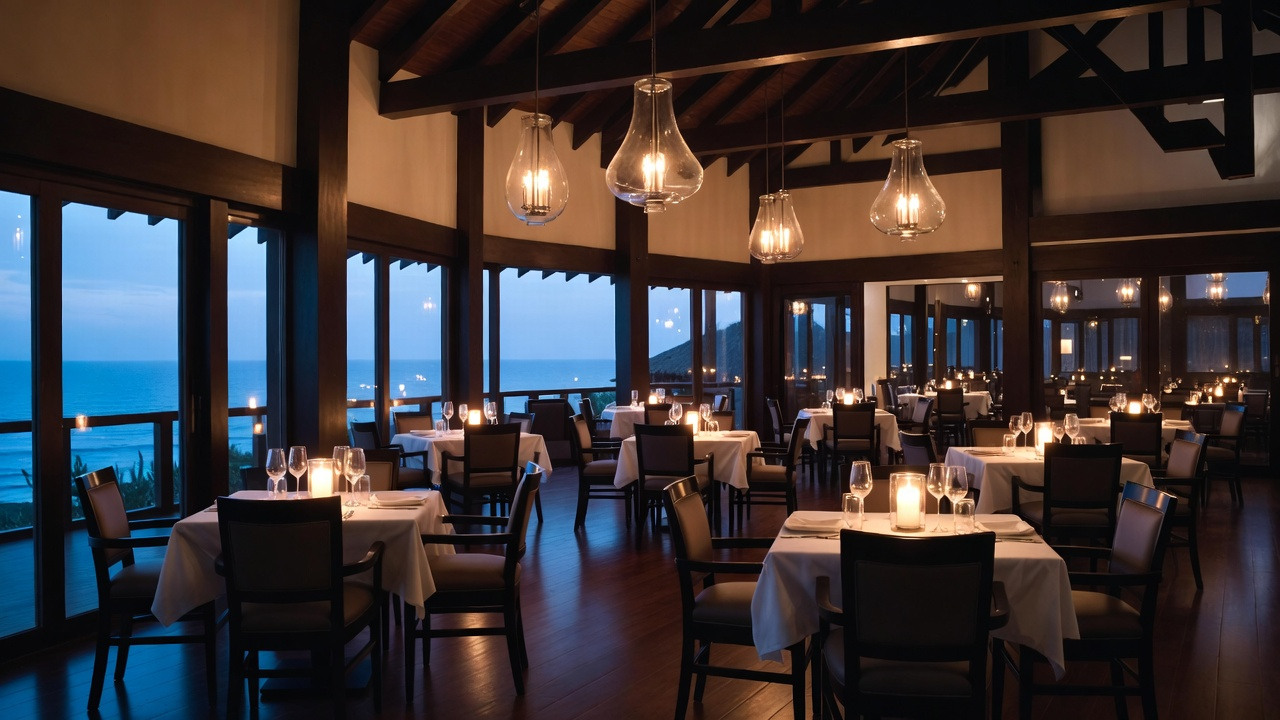
At popular all-inclusive resorts, specialty restaurant reservations are the most coveted commodity on the property. Running out of dinner reservations at your preferred restaurants can be a genuine source of frustration, especially during peak season when the resort is at full capacity. Here's how to ensure you eat where and when you want.
Book on arrival (or before): The most important strategy is to make your specialty restaurant reservations as early as possible. Many resorts allow you to reserve restaurant slots at check-in or through their app or concierge desk. At high-demand brands like Sandals, Excellence Resorts, and Secrets Resorts, the first thing you should do after dropping your bags in the room is visit the concierge or open the resort app and book all your specialty dining for the week. Some properties, including several Hyatt Ziva and Hyatt Zilara locations, even allow pre-arrival reservations through their website or Hyatt app, giving you an edge over guests who wait until check-in.
Understand the reservation system: Most resorts limit the number of specialty restaurant visits per stay to ensure availability for all guests. A typical policy might allow one specialty restaurant dinner per person per night of stay — so a 7-night stay gets you 7 specialty dinners. Some brands are more generous; others are more restrictive. Sandals has no limits on specialty dining — you can eat at a different specialty restaurant for every meal if you wish. Club Med similarly operates without reservation requirements at most restaurants, operating on a first-come, first-served basis that works surprisingly well.
Dine at off-peak times: If your preferred restaurant is fully booked for the 7:30 PM slot, try 6:00 PM or 9:00 PM. Many guests default to the 7-8 PM window, leaving earlier and later slots available. Lunch reservations at specialty restaurants (when offered) are almost always easier to get than dinner, and the food is often just as good. Some resorts rotate which specialty restaurants are open for lunch on different days — learn the schedule early in your stay.
Check for cancellations: Just as with restaurant reservations in the real world, cancellations happen. Check with the concierge or hostess desk daily if there's a specific restaurant you missed during the initial booking round. Late afternoon — after guests have settled into beach or pool mode — is often when cancellations become available.
Leverage suite or loyalty perks: Many brands offer preferred or priority restaurant reservations for guests in premium room categories. At Secrets Resorts, Preferred Club guests get priority reservations and access to an exclusive restaurant. Hard Rock All-Inclusive Rock Star suites come with similar perks. If dining is a priority and you're deciding between room categories, the reservation benefits of an upgraded room can be worth the cost difference.
Pro Tip
Ask the concierge which specialty restaurant is least popular — this is often the hidden gem of the resort. Less demand usually means more availability, more attentive service, and sometimes the most creative menu on property, because the chef has more freedom to experiment.
Dress Codes Explained
Dress codes at all-inclusive restaurants are a common source of confusion and occasional frustration. Understanding what's expected at each restaurant type helps you pack appropriately and avoid the embarrassment of being turned away at the door.
Buffet and Casual Restaurants: Dress codes are relaxed. Swimwear is usually acceptable at poolside and beach restaurants, though most properties ask that you wear a coverup or dry clothing in the main buffet. Tank tops, shorts, sundresses, and sandals are perfectly appropriate. The key rule is usually just "no wet swimwear" in indoor dining areas.
Specialty Restaurants (Resort Elegant or Smart Casual): This is where most dress code confusion arises. The typical all-inclusive specialty restaurant dress code requires "resort elegant" or "smart casual" for dinner. For men, this means long pants (chinos, dress pants, or nice jeans at some properties), a collared shirt or dress shirt, and closed-toe shoes. No athletic wear, tank tops, basketball shorts, or flip-flops. For women, it means a sundress, nice blouse with pants or a skirt, or resort-appropriate cocktail wear. Sandals are usually fine for women.
Premium/Fine Dining: A handful of luxury all-inclusive restaurants enforce stricter dress codes approaching formal — dress shirts, slacks, and leather shoes for men; dresses or elegant separates for women. These are typically the resort's flagship or signature restaurant. Sandals' Gordon's at their Barbados properties and Excellence Resorts' signature restaurants fall into this category.
The practical implication for packing: bring at least 2-3 dinner-appropriate outfits for a week-long stay. Men should pack chinos or dress pants, a few collared shirts, and a pair of leather shoes or dressy loafers. Women generally need less specialty packing since resort-appropriate sundresses work at virtually every dress code level. If you forget something, many resorts have boutiques that sell appropriate clothing (at resort prices), and some concierge desks can arrange emergency shopping.
Brand-specific notes: Sandals enforces dress codes at their specialty restaurants and will politely turn away guests who don't meet the standard. Club Med is generally more relaxed, with most restaurants accepting smart-casual attire. RIU Hotels varies by property — their premium "Riu Palace" line enforces stricter codes than their standard properties. When in doubt, ask the concierge on arrival for specific guidance, and download the resort app if available, which often includes dress code details for each restaurant.
Pro Tip
Roll a lightweight blazer or sport coat in your suitcase. It takes up minimal space and instantly elevates a collared shirt for the most formal restaurants. For women, a versatile wrap or pashmina serves the same purpose.
Dietary Needs and Allergies
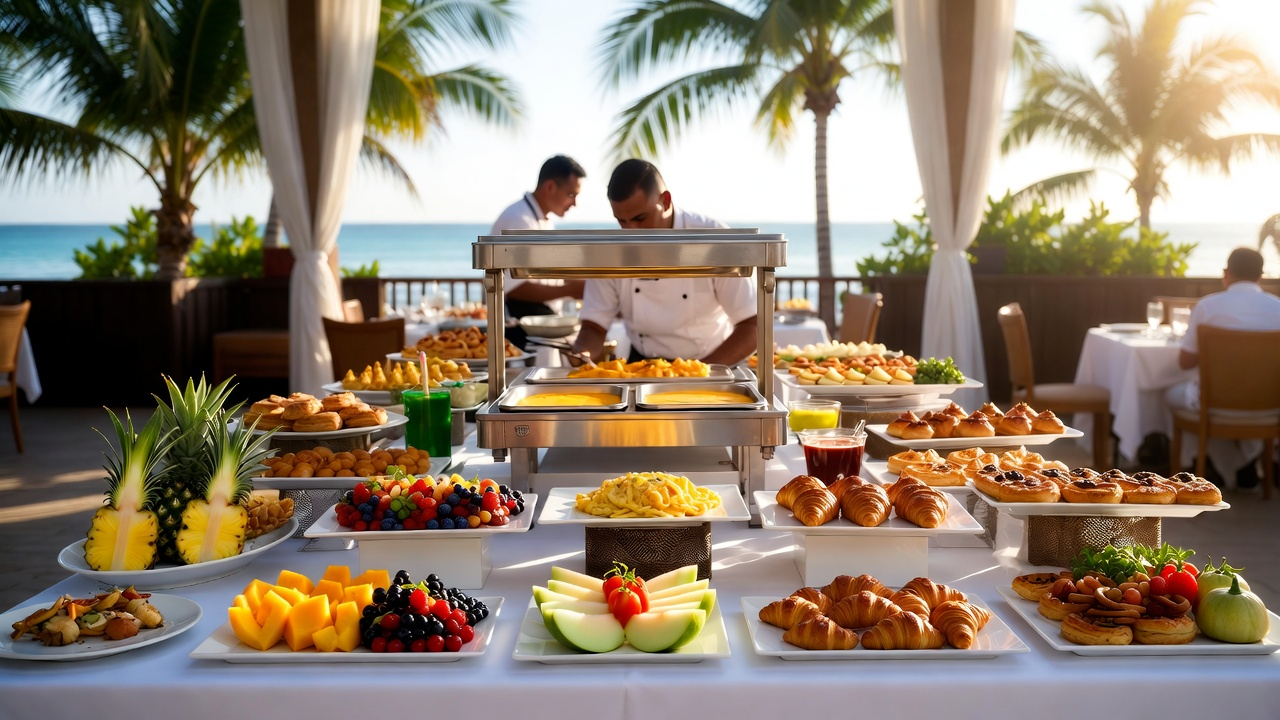
Traveling with dietary restrictions or food allergies can be stressful, but all-inclusive resorts have significantly improved their ability to accommodate special needs in recent years. The key is communication — early, specific, and repeated.
Before you arrive: Contact the resort at least 2-4 weeks before your trip to inform them of any serious food allergies or dietary requirements. Most mid-range and luxury resorts have a guest services email or dietary needs form where you can specify allergies, celiac disease, vegetarian/vegan requirements, kosher or halal needs, and other restrictions. Sandals has a dedicated dietary team that pre-plans menus for guests with restrictions. Club Med is known for being exceptionally accommodating of various dietary needs, including vegan, gluten-free, and allergen-free options at every meal.
At check-in: Remind the front desk and concierge of your dietary needs. Ask to speak with the head chef or F&B manager if you have severe allergies (especially nut, shellfish, or gluten allergies where cross-contamination is a concern). Many resorts will arrange a brief meeting where the chef discusses your needs and outlines how they'll accommodate you throughout your stay. At Hyatt Ziva Cap Cana and other Hyatt properties, the culinary team is trained to handle allergy accommodations and can flag your profile across all restaurant systems.
At each restaurant: Always inform your server of your allergies or restrictions at the start of every meal, even if you've already told the resort. Kitchen staff rotate shifts, and communication doesn't always flow perfectly in a high-volume resort kitchen. For buffet dining, ask for an allergy guide or have a chef walk you through the stations — this is standard practice at most mid-range and luxury resorts.
Common dietary accommodations by brand:
- Vegetarian/Vegan: Widely accommodated at all tiers. Iberostar has made a strong push toward plant-based options with dedicated menu sections. Sandals can prepare fully vegan meals at any restaurant with advance notice.
- Gluten-Free: Most mid-range and luxury brands offer gluten-free bread, pasta, and dedicated preparation areas. Excellence Resorts and Secrets Resorts have menus with clearly marked gluten-free options.
- Kosher/Halal: Less uniformly available. Some resorts in the Caribbean can arrange kosher-style meals with advance notice, but strict kosher certification is rare. Halal options are more widely available, especially at resorts in the Maldives where halal dining is the standard.
- Nut Allergies: Taken very seriously at reputable brands. Cross-contamination remains the biggest risk at buffet stations. Specialty restaurants with made-to-order preparation are generally safer for severe nut allergies.
Pro Tip
Pack emergency snacks (protein bars, nut-free snacks, etc.) in your suitcase, especially if you have severe dietary restrictions. Even the most accommodating resort may have a gap between meals or an unexpectedly limited option at a particular restaurant, and having backup food prevents hunger-driven frustration.
Maximizing Your All-Inclusive Dining Experience
With a strategic approach, you can transform your all-inclusive dining from merely adequate to genuinely memorable. These tactics are drawn from seasoned all-inclusive travelers and hospitality professionals.
Don't default to the buffet every night. The most common mistake first-time all-inclusive guests make is eating at the buffet too often because it's easy and doesn't require a reservation. While buffets have their place (especially for breakfast and casual lunches), the specialty restaurants are where the real dining magic happens. Plan your week so you hit a different specialty restaurant each night, and save the buffet for mornings or as a fallback when you want something quick.
Explore the full menu. At a standalone restaurant, ordering multiple appetizers or two entrees would be absurdly expensive. At an all-inclusive, there's no check coming — take advantage of this. Order two starters that intrigue you. Try an unfamiliar entree alongside a safe choice. Get dessert at every dinner. This is your chance to explore cuisines and dishes you might never try at home. The teppanyaki restaurants at RIU Hotels and Iberostar properties, for instance, are a theatrical dining experience that many guests would never seek out on their own but end up loving.
Talk to the chefs and servers. All-inclusive restaurant staff are often passionate about food and love when guests show genuine interest. Ask your server what they'd recommend, or what the chef is most proud of on the menu. At many resorts, the chef will come out to discuss the meal or prepare something special off-menu if you express interest. This personal connection often leads to the most memorable dining moments of the trip.
Time your meals strategically. Lunch at specialty restaurants is an underused opportunity — fewer guests make lunch reservations, so you'll have better service and more menu flexibility. Breakfast is best early (6:30-7:30 AM for the freshest selection and shortest lines at the buffet) or late (after 9:30 AM when the morning rush has cleared). Dinner at the earliest available reservation time (often 6:00-6:30 PM) gives you the best chance of the kitchen being fresh and fully stocked.
Don't miss room service. If your all-inclusive includes room service (most mid-range and luxury properties do), use it at least once. Breakfast on your balcony overlooking the ocean is one of life's simple luxuries, and it's already paid for. Some resorts offer limited room service menus; others, like Dreams Resorts and Secrets Resorts, offer 24-hour room service with a surprisingly broad menu. Late-night room service after a long evening out is another great use of this perk.
Best All-Inclusive Brands for Dining
Not all all-inclusive brands treat food with the same priority. If dining quality is a top concern — and for many travelers, it should be — here's how the major brands stack up.
Sandals (and Beaches): Consistently rated as the best dining in the all-inclusive world. Sandals properties offer 7-16 restaurants each, with no reservation limits and no repeated menus. Their culinary team includes chefs recruited from Michelin-starred backgrounds, and the variety — from Indian to sushi to French to Caribbean to British gastropub — is unmatched. Sandals Royal Barbados exemplifies this, with access to restaurants across Sandals' Barbados campus. Beaches provides the same culinary quality with family-friendly options added. Rating: Exceptional.
Excellence Resorts: Another top-tier culinary brand. Excellence focuses on fewer, higher-quality restaurants (typically 6-10 per property) with menus that change seasonally. Their flagship restaurants — often French or contemporary — approach fine-dining caliber. Ingredients are sourced with care, and presentation is thoughtful. Rating: Excellent.
Hyatt Ziva / Hyatt Zilara: Hyatt's all-inclusive brands deliver consistently strong dining experiences with 5-8 restaurants per property. The culinary quality reflects Hyatt's broader hospitality standards. Hyatt Zilara Cap Cana and Hyatt Ziva Cap Cana share restaurant access, expanding the options available to guests at both properties. Rating: Very Good.
Secrets Resorts: Secrets offers a strong mid-to-high-end dining experience with 5-9 restaurants per property. Their Preferred Club tier includes access to an exclusive restaurant that's typically the best on property. Menus are well-executed if not always boundary-pushing. Rating: Very Good.
Club Med: Club Med takes a unique approach — their main restaurant operates as a high-quality open-seating buffet with exceptional variety, while specialty restaurants add themed dining experiences. The buffet quality at Club Med's premium properties rivals specialty restaurants at competing brands. Their emphasis on local and seasonal ingredients sets them apart. Rating: Very Good.
Iberostar: Iberostar has invested significantly in their culinary program, with a focus on sustainability and local sourcing. Their Grand and Selection properties offer strong specialty restaurants. The buffet quality has improved markedly. Rating: Good to Very Good.
Dreams Resorts: Dreams delivers reliable, family-friendly dining with 4-8 restaurants per property. The food is consistently good without being exceptional. Kids' menus are well-thought-out, and the 24-hour dining options are a standout. Rating: Good.
RIU Hotels / Barcelo / Bahia Principe: These mid-range brands offer serviceable dining with 3-7 restaurants per property. Don't expect gourmet, but expect variety and adequate quality. Their premium sub-brands (RIU Palace, Barcelo Royal Level, Bahia Principe Luxury) step up the culinary game meaningfully. Rating: Adequate to Good.
| Brand | Typical # of Restaurants | Reservation Policy | Culinary Rating | Best For |
|---|---|---|---|---|
| Sandals / Beaches | 7-16 | Unlimited, no limits | Exceptional | Foodies, variety seekers |
| Excellence Resorts | 6-10 | Limited per stay | Excellent | Fine dining enthusiasts |
| Hyatt Ziva / Zilara | 5-8 | Limited per stay, pre-bookable | Very Good | Consistent quality, loyalty perks |
| Secrets Resorts | 5-9 | Limited, Preferred Club gets priority | Very Good | Adults-only, upscale experience |
| Club Med | 3-5 | No reservations needed (most venues) | Very Good | Buffet lovers, casual atmosphere |
| Iberostar | 4-7 | Limited per stay | Good to Very Good | Sustainability-conscious diners |
| Dreams Resorts | 4-8 | Limited per stay | Good | Families, 24-hour dining |
| RIU Hotels | 3-6 | Limited per stay | Adequate to Good | Budget-conscious travelers |
| Bahia Principe | 4-7 | Limited per stay | Adequate to Good | Large resort variety |

