Why Luxury Hotel Brands Are Rushing Into the All-Inclusive Market
From Marriott to Hyatt to Aman, premium hotel companies are launching all-inclusive properties at an unprecedented pace. Here's what's driving the shift.
Ten years ago, "luxury" and "all-inclusive" were considered contradictions. All-inclusive meant budget resorts with watered-down drinks and mediocre buffets. Luxury meant boutique hotels where everything was à la carte. That divide has collapsed. Today, some of the world's most prestigious hospitality brands are aggressively expanding into all-inclusive — and it's reshaping the entire market.
Who's Moving In
The list of premium brands entering or expanding in the all-inclusive space is striking:
- Hyatt — operates Hyatt Ziva (family) and Hyatt Zilara (adults-only) across Mexico, Jamaica, and the Dominican Republic, with more properties in development. The recent integration of Bahia Principe into World of Hyatt added 24+ all-inclusive resorts overnight.
- Marriott — launched its first all-inclusive properties under the Autograph Collection and now has dedicated all-inclusive brands operating in the Caribbean and Mexico.
- IHG (InterContinental) — entered the space through its acquisition of the Iberostar management deal and is expanding its all-inclusive footprint.
- Aman — the ultra-luxury brand is rumored to be exploring all-inclusive concepts in its resort properties.
Why Now?
Three forces are converging:
1. Post-pandemic demand for predictability. COVID-19 fundamentally changed how people plan vacations. Travelers now want to know exactly what they're paying upfront. The all-inclusive model — one price, everything covered — perfectly satisfies this desire. Booking data shows all-inclusive search volume grew 40%+ since 2020.
2. Revenue per guest is higher. Luxury all-inclusive resorts charge $500-1,500+ per night. At those rates, the resort captures 100% of the guest's food, drink, and activity spend. In a traditional luxury hotel, the guest might eat two meals on-property and spend the rest off-site. All-inclusive locks in the revenue.
3. Millennials and Gen Z expect bundled experiences. Younger affluent travelers grew up with subscription models and bundled services. They're more comfortable paying a premium for an all-included experience than previous generations were. The "pay for everything separately" model feels antiquated to many travelers under 40.
What This Means for Travelers
The luxury all-inclusive boom is unambiguously good for consumers:
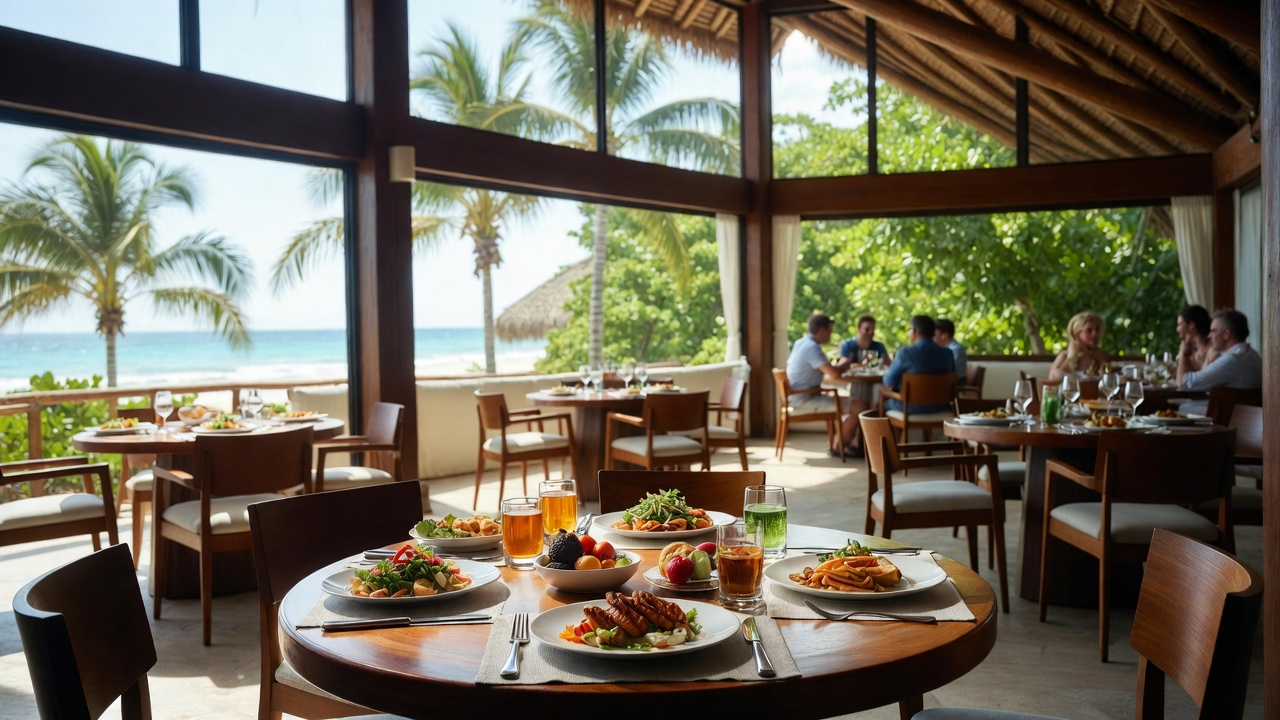
- Food quality is rising dramatically. When brands like Grand Velas, Excellence, and Hyatt compete for luxury travelers, they invest in celebrity chefs, farm-to-table programs, and wine cellars that would rival standalone restaurants.
- Service standards are improving. Premium brands bring their service DNA into the all-inclusive format — butler service, personalized check-in, staff-to-guest ratios that budget resorts can't match.
- The price gap is narrowing. More competition at the top end is pushing prices down for comparable luxury. A Grand Velas week that cost $6,000 five years ago may cost $4,500 today because there are more alternatives.
The Risk
As luxury brands flood in, some are applying the all-inclusive label to what is essentially a resort fee bundled with basic food and drink. True all-inclusive means everything — all restaurants, all drinks, all activities, room service, and entertainment. Some new entrants use "all-inclusive" loosely, charging supplements for premium restaurants and premium spirits. Read the fine print.
At Resort Flock, we track exactly what's included at each property so you can make apples-to-apples comparisons. Check the resort directory to see detailed breakdowns of what's covered at any property.