5
Resorts
3
Brands
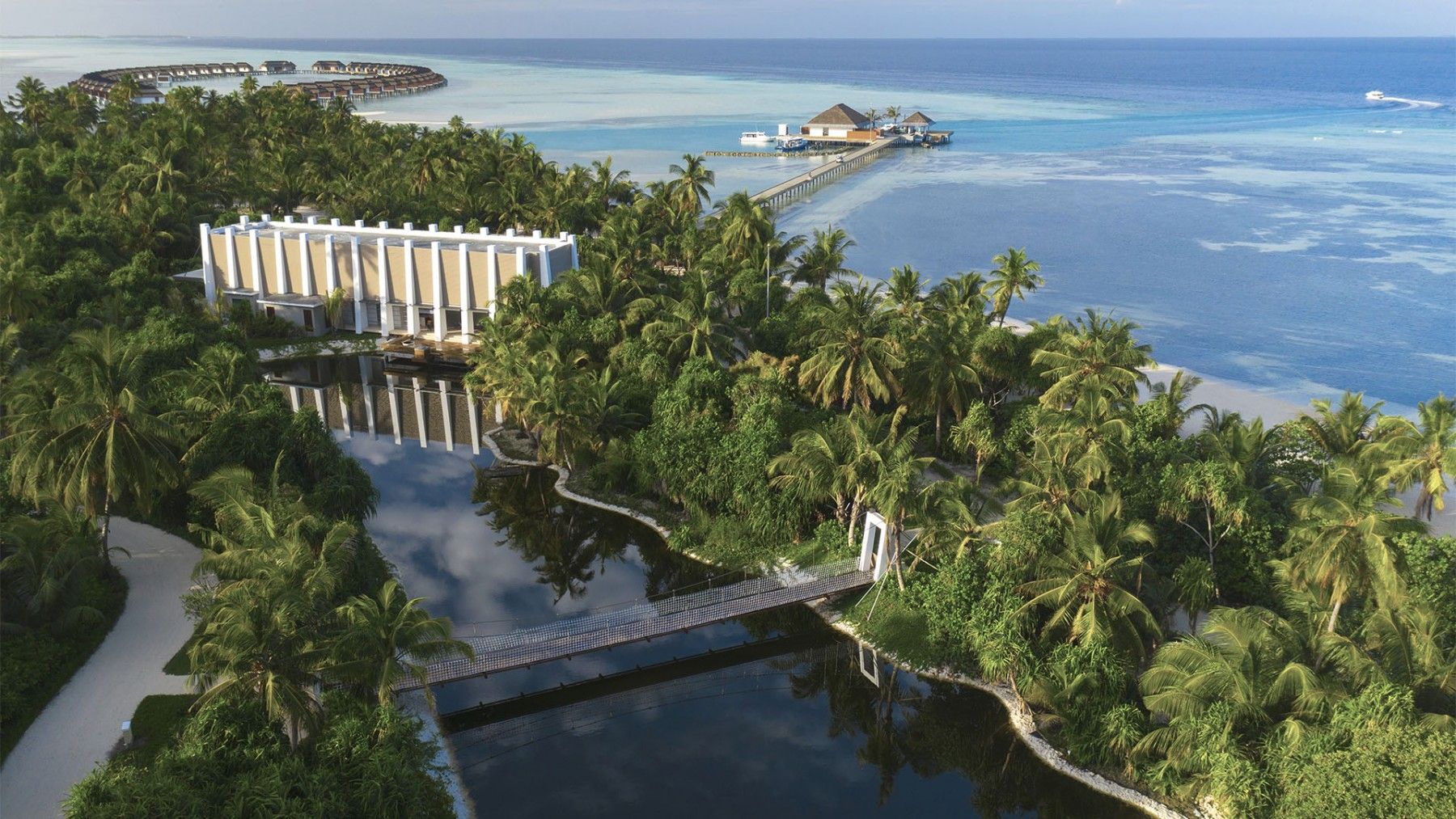
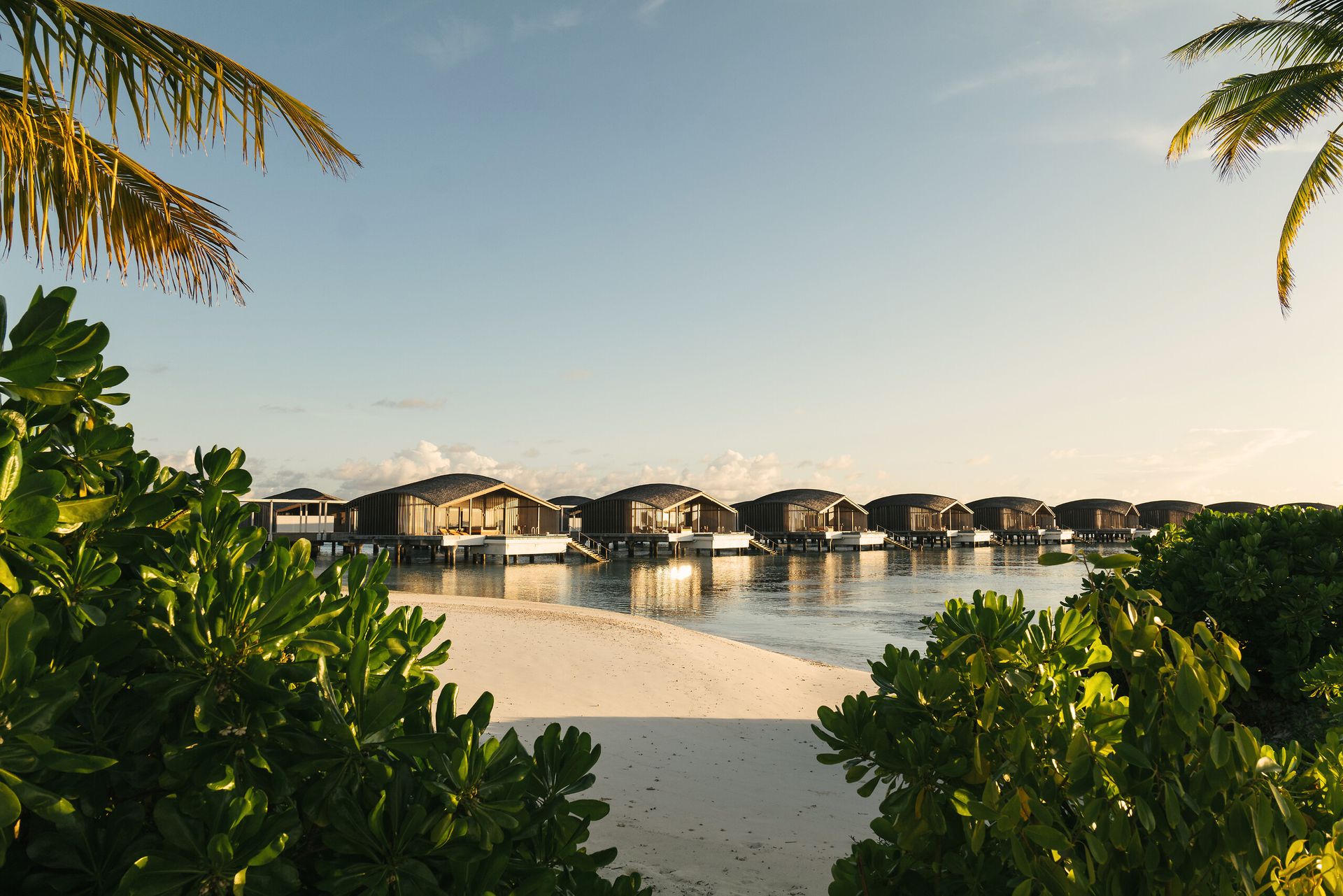
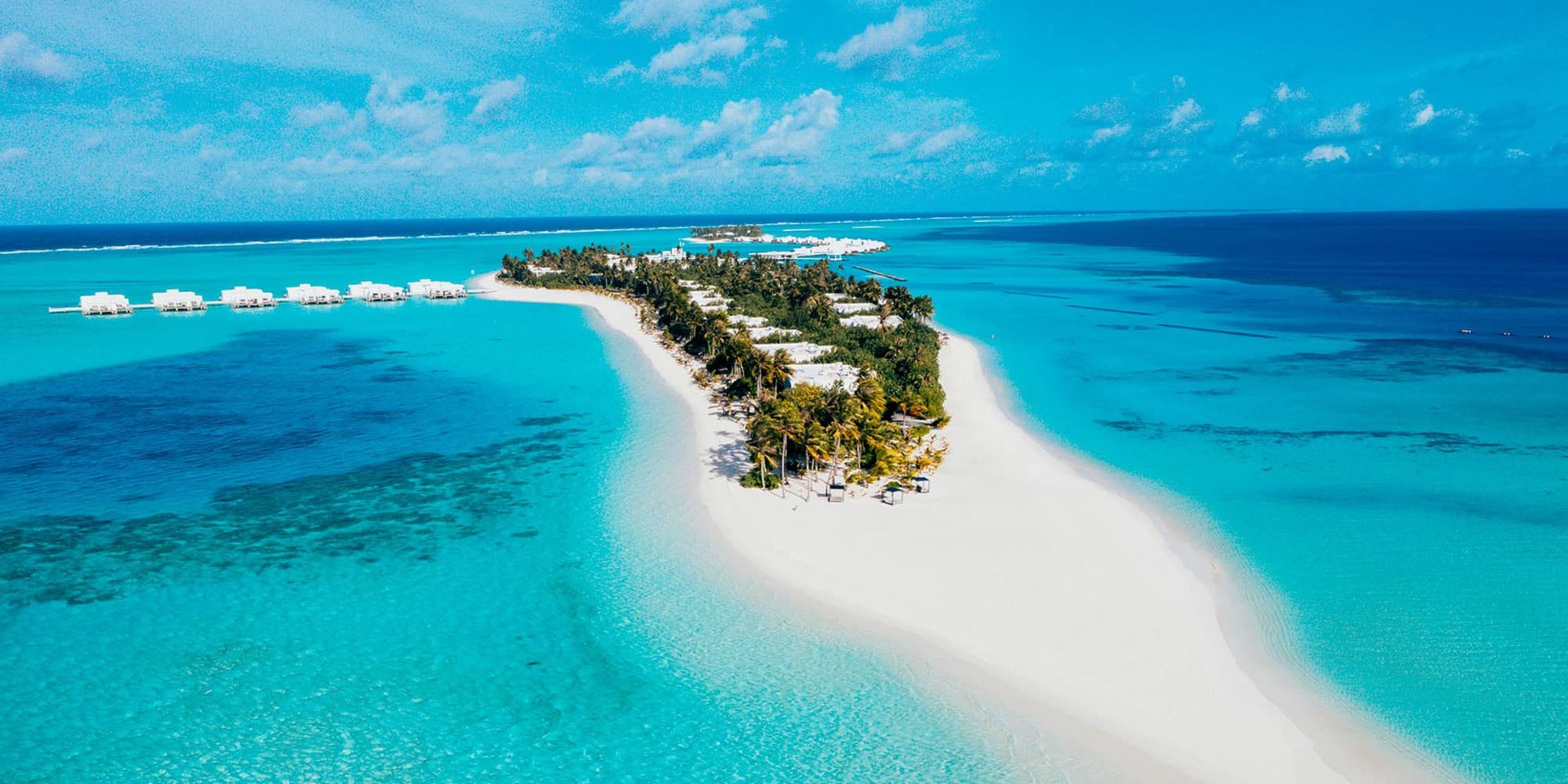
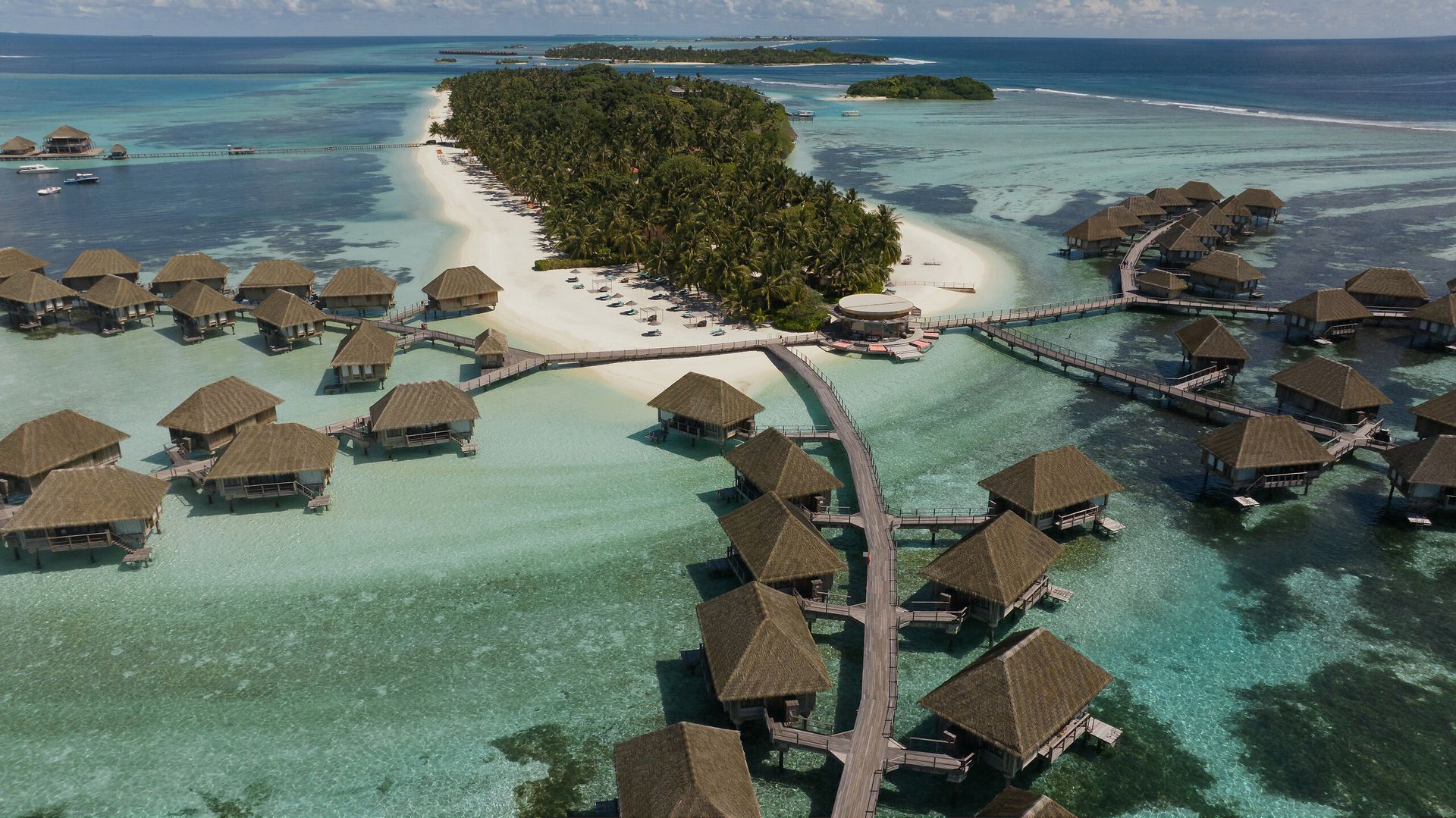
The Maldives runs on a model found almost nowhere else in the world: one island, one resort. Each property occupies its own atoll, which means your fellow guests are your only neighbors and the house reef is steps from your villa. That setup makes the all-inclusive model particularly well-suited here — there's nowhere else to go for dinner anyway, and boat rides to shore restaurants are rarely worth the logistics.
The all-inclusive market in the Maldives skews heavily toward luxury and ultra-luxury. Entry-level properties like Centara Ras Fushi start around $500-$800 per person per night during the low season. Mid-tier resorts — Atmosphere Hotels properties, Emerald Collection, Constance Moofushi — run $800-$1,500 per night. At the top end, Soneva Jani and OZEN Life Maadhoo can exceed $3,000-$5,000 per night, with their all-inclusive plans covering nearly everything including premium wines and excursions. Truly budget all-inclusive options don't exist here.
Airport transfers are a significant logistical factor that most other destinations don't have. Depending on which atoll your resort sits in, you'll arrive by a 20-minute speedboat, a 30-45 minute seaplane flight (daytime only), or a domestic flight plus speedboat combination. Seaplane transfers run $300-$600 per person round-trip and are often — but not always — included in package pricing. Always confirm before booking.
The all-inclusive landscape here is split between independently owned island resorts and properties under international or regional brands. Atmosphere Hotels & Resorts (OZEN Life Maadhoo, OBLU SELECT at Sangeli, OBLU SELECT Lobigili) has become a dominant force in the mid-to-luxury all-inclusive segment. Constance Moofushi, Lily Beach Resort & Spa, and Emerald Maldives Resort & Spa are consistently cited as among the best value for what their packages include. Centara Ras Fushi handles the relatively affordable end of the spectrum. Soneva Fushi and Soneva Jani sit at the apex with an "Anything, Anytime, Anywhere" plan that covers essentially everything on property.
Most all-inclusive packages in the Maldives cover three meals daily across multiple restaurants, unlimited beverages including alcohol (local spirits and beer in standard plans, premium labels in upgraded tiers), non-motorized water sports, and airport transfers. What's typically excluded: motorized water sports, scuba diving (usually priced per dive or as a weekly package), spa treatments, and private dining experiences. Lily Beach stands out for its "Platinum All Inclusive" plan, which does include diving and many excursions — a meaningful differentiator given dive costs elsewhere.
For price-conscious travelers who still want the Maldives experience, the wet season (May–October) offers 20–35% reductions from peak rates. The tradeoff is higher humidity and some choppy weather, but marine life sightings — particularly whale sharks and manta rays — are actually better during these months. Shoulder months of November and April hit a reasonable middle ground on both price and conditions.
The Maldives enjoys a tropical climate with consistent warm temperatures (25°C to 31°C) throughout the year, making it an appealing destination at any time. However, two distinct seasons influence visitor experience and pricing. The Dry Season, running from November to April, is considered the peak tourist period. During these months, you can expect minimal rain, abundant sunshine, clear blue skies, and calm seas, creating ideal conditions for snorkeling, diving, and all water-based activities. Temperatures average around 28-29°C, but be prepared for higher prices for flights and all-inclusive resorts, especially from December to March.
Conversely, the Wet Season, or Southwest Monsoon, spans from May to October. While there's an increased chance of rain and occasional thunderstorms, these are typically short-lived downpours, often followed by long periods of sunshine. Humidity is higher, and water visibility might be slightly reduced, but this period offers significant advantages. It's the 'low season,' meaning fewer crowds and often substantial discounts on all-inclusive packages and flights. May to November is also a prime time for marine life enthusiasts, as whale sharks and manta rays are more frequently sighted feeding on plankton.
Regarding monsoon risk, the Maldives generally lies outside major hurricane belts. While the wet season brings more rain and stronger winds, the low-lying nature of the islands allows rain clouds to pass quickly. For the best deals on all-inclusive resorts, consider booking during the shoulder months of November or April/May, or fully embrace the low season for significant savings while still enjoying plenty of sunshine and incredible marine encounters.
The most accessible atoll from Velana International Airport (MLE), with most resorts reachable by a 20-45 minute speedboat rather than a seaplane. That cuts transfer costs considerably. Centara Ras Fushi and OBLU SELECT at Sangeli are the main all-inclusive options here. The dive sites are excellent and the lagoons are clear, but the proximity to Malé means slightly more boat traffic than atolls further south.
The go-to atoll for serious divers and snorkelers. Whale shark sightings are practically guaranteed year-round, and manta ray encounters are common. LUX* South Ari Atoll and Constance Moofushi are the primary all-inclusive properties here — both well-regarded for their house reefs and dive programs. Transfer is typically a 25-35 minute seaplane flight from MLE.
A UNESCO World Biosphere Reserve, Baa Atoll is home to Hanifaru Bay — one of the world's most reliable spots for manta ray aggregations during the wet season (June–November). Soneva Fushi is the landmark property here, combining its all-inclusive plan with a focus on sustainability and minimal plastic use. Finolhu is a more design-forward, party-friendly alternative. Access is by seaplane, roughly 25 minutes from MLE.
One of the most remote atolls with all-inclusive options, sitting near the southern tip of the Maldives chain. The reward is genuine isolation — fewer resort lights on the horizon, less boat traffic, and pristine reef systems. Pullman Maldives Maamutaa is notable for its underwater bedroom option. The Residence Maldives Falhumaafushi covers the luxury all-inclusive segment. Getting here typically involves a domestic flight to Kaadedhdhoo airport plus a speedboat, adding 1-2 hours to the journey from MLE.
Experience unparalleled convenience and peace of mind, as all-inclusive resorts in the Maldives expertly bundle flights, transfers, meals, and activities, eliminating the stress of planning and unexpected costs.
Unlock exceptional value for a luxury destination; comprehensive all-inclusive plans from resorts like OZEN Life Maadhoo and Lily Beach Resort & Spa cover gourmet dining, premium beverages, and excursions that would be costly à la carte.
Gain seamless access to world-class marine adventures, with most all-inclusive resorts providing complimentary snorkeling gear and immediate access to vibrant house reefs teeming with exotic fish and coral.
Indulge in diverse gourmet dining and premium beverage selections without limits, as many all-inclusive packages feature multiple restaurants, specialty dining experiences, and an extensive list of included drinks.
Savor the unique private island exclusivity of the Maldives without hidden costs, as your all-inclusive package often includes essential speedboat or seaplane transfers, taxes, and service charges.
Enjoy a wide array of included activities and entertainment, from non-motorized water sports like kayaking and paddleboarding to cultural excursions or sunset cruises, ensuring constant engagement for all ages.
Travelers typically connect to Velana International Airport (MLE) near Malé via major hubs in Europe (London, Frankfurt), the Middle East (Dubai, Doha), or Asia (Singapore). From MLE, transfers to your all-inclusive resort are crucial and often included in your package: options include scenic seaplane flights for distant atolls (daylight hours only), swift speedboat transfers for closer resorts, or a combination of domestic flight and speedboat for very remote destinations. All nationalities receive a free 30-day visa on arrival, but a passport valid for at least one month beyond your stay, confirmed onward/return ticket, confirmed resort booking, and a completed online Traveller Declaration form (IMUGA) within 96 hours of arrival/departure are mandatory.
The local currency is the Maldivian Rufiyaa (MVR), but US Dollars (USD) are widely accepted, especially at resorts. Most all-inclusive resorts operate on a cashless system, allowing you to charge everything to your room and settle the bill at checkout. While a 10% service charge is usually included in resort bills, additional tipping for exceptional service is customary and much appreciated. It's best to carry small denominations of USD cash for tipping staff like waiters, room attendants, and porters, as tips often cannot be added to credit card bills.
Pack light, breathable clothing made from natural fabrics suitable for a tropical climate, along with plenty of swimwear. Essential items include reef-safe sunscreen to protect marine life, a wide-brimmed hat, sunglasses, and insect repellent for evenings. Don't forget an underwater camera or phone protector to capture the stunning marine views, any personal medications, and a universal power adapter. While resorts provide towels, consider bringing your own reusable water bottle to help reduce plastic waste.
While all-inclusive resorts offer abundant activities, don't miss the chance to explore. World-class snorkeling and scuba diving are a must, with many resorts offering direct access to vibrant house reefs. Embark on romantic sunset cruises or thrilling dolphin-watching excursions, often included in premium all-inclusive packages. Some resorts arrange visits to local inhabited islands, providing a glimpse into Maldivian culture. For unique dining, experience underwater restaurants like M6m at OZEN Life Maadhoo or 5.8 Undersea Restaurant at Hurawalhi, offering an unforgettable culinary journey amidst marine life.
The 'best' all-inclusive resort in the Maldives often depends on your priorities, but several stand out for their exceptional offerings. OZEN Life Maadhoo and Emerald Maldives Resort & Spa are highly acclaimed for their comprehensive premium all-inclusive plans, while Lily Beach Resort & Spa consistently receives praise for its value and service. For an adults-only luxury experience, Hurawalhi Island Resort is a top choice, ensuring an unforgettable stay.
The cost of an all-inclusive resort in the Maldives varies widely based on season, resort luxury level, and villa type. Expect prices to start from around $500-$800 per night during the off-peak season for mid-range options like Centara Ras Fushi, while luxury resorts can range from $1,000-$2,500+ per night. Ultra-luxury experiences such as Soneva Jani, with its 'Soneva Unlimited Plan,' can exceed $3,000-$5,000+ per night, especially during peak season.
Absolutely, the Maldives is exceptionally well-suited for all-inclusive resorts. The unique 'one island, one resort' concept perfectly complements the all-inclusive model, offering unparalleled privacy, convenience, and a hassle-free vacation. With transfers, meals, drinks, and often activities included, it allows guests to fully immerse themselves in the luxury and natural beauty without worrying about individual expenses.
Yes, all-inclusive resorts in the Maldives are generally worth it, especially given the remote nature of the destination and the higher cost of individual meals, drinks, and transfers. They provide transparent pricing, ensuring you know your total vacation cost upfront. For a truly luxurious and stress-free escape where every detail is taken care of, the value and convenience of an all-inclusive package are significant.
Typically, an all-inclusive package in the Maldives covers daily breakfast, lunch, and dinner at various restaurants, unlimited alcoholic and non-alcoholic beverages (often including premium brands), and non-motorized water sports like kayaking and snorkeling gear. Many also include airport transfers (seaplane or speedboat), taxes, service charges, and sometimes a complimentary excursion like a sunset cruise. Motorized sports, spa treatments, and scuba diving usually incur extra costs.
The cheapest time to visit the Maldives for all-inclusive resorts is during the wet season, from May to October. This 'low season' sees fewer crowds and significant price reductions (20-30% off peak rates) on both flights and accommodation. While there's an increased chance of rain, showers are often brief, and you'll still experience plenty of sunshine alongside excellent opportunities for spotting whale sharks and manta rays.
Yes, the Maldives offers several exquisite adults-only all-inclusive resorts perfect for honeymoons and romantic getaways. Notable options include Anantara Veli Maldives Resort, Centara Ras Fushi Resort & Spa, Hurawalhi Island Resort, OBLU SELECT Lobigili, and Komandoo Island Resort & Spa. These resorts provide a tranquil atmosphere, tailored amenities, and often more intimate dining and activity experiences designed for adult travelers.
Airport transfers from Velana International Airport (MLE) to your all-inclusive resort are a signature part of the Maldivian experience. The most common types are scenic seaplane transfers for resorts further afield, operating during daylight hours, or swift speedboat transfers for resorts closer to Malé. For very distant atolls, a combination of a domestic flight to a regional airport followed by a speedboat transfer is used.
No, tourists from all nationalities generally receive a free 30-day visa on arrival in the Maldives, making entry straightforward for your all-inclusive vacation. Key requirements include a passport valid for at least one month beyond your arrival date, a confirmed onward or return ticket, a confirmed booking at a registered tourist establishment, and completion of the online Traveller Declaration form (IMUGA) within 96 hours of arrival and departure.