One Corner of the Hotel Business Is Growing Fastest — and the Biggest Chains Are All Chasing It
Once dismissed as budget-package territory, all-inclusive resorts have become the growth engine the world's largest hotel companies are fighting over.
The all-inclusive resort — long dismissed as the domain of budget package tours — has become the fastest-moving growth engine for the world's largest hotel companies, and the competition to dominate it is intensifying heading into late 2026.
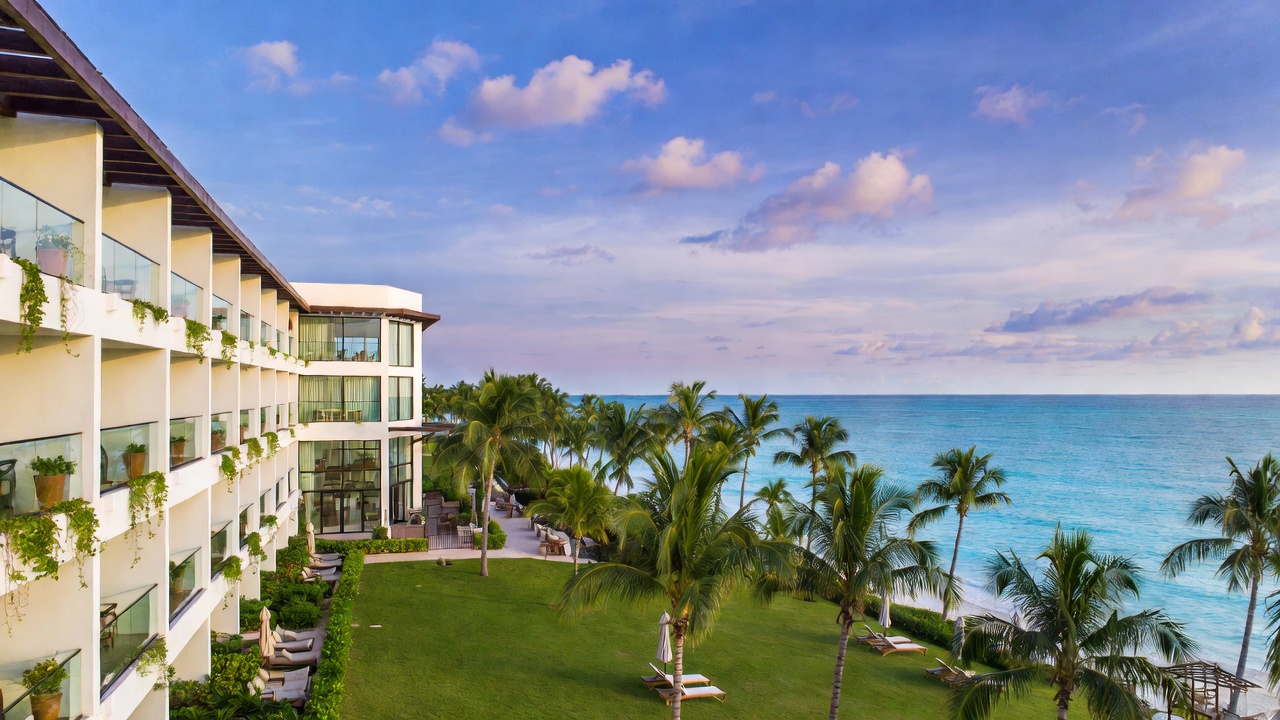
The clearest evidence is at Hyatt's Inclusive Collection, now the biggest all-inclusive operator in the Caribbean and Latin America with roughly 155 resorts and about 58,000 rooms — an estimated 16 percent of the region's all-inclusive market. Hyatt reported net package revenue per available room up 8.3 percent, a pace most traditional hotels would envy. The segment came largely through acquisition: Apple Leisure Group in 2021, followed by Playa Hotels & Resorts, which handed Hyatt brands like Hyatt Ziva, Hyatt Zilara, and the younger-skewing Hyatt Vivid.
Demand is doing the rest. Roughly 60 percent of U.S. and Canadian travelers now say they lean toward all-inclusive trips, drawn by fixed pricing at a time when every other part of a vacation seems to carry a surcharge.
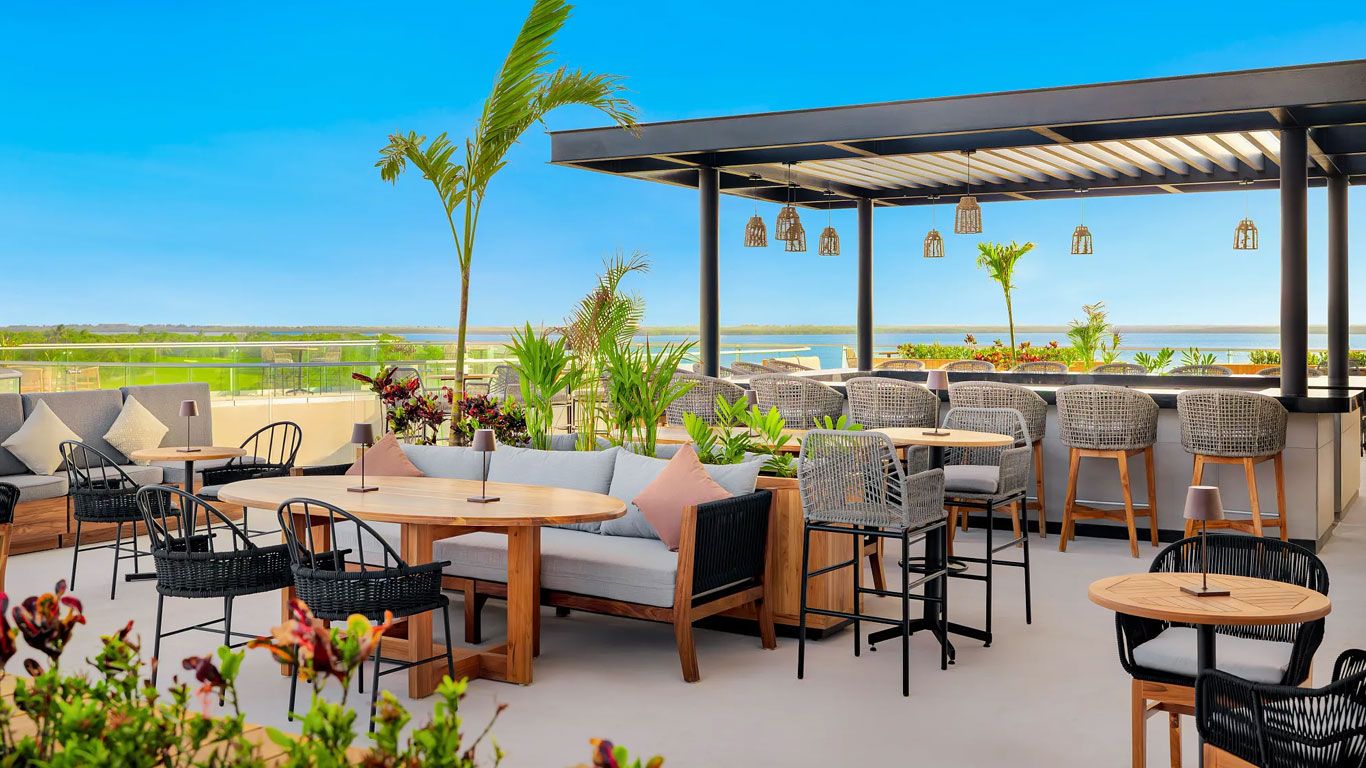
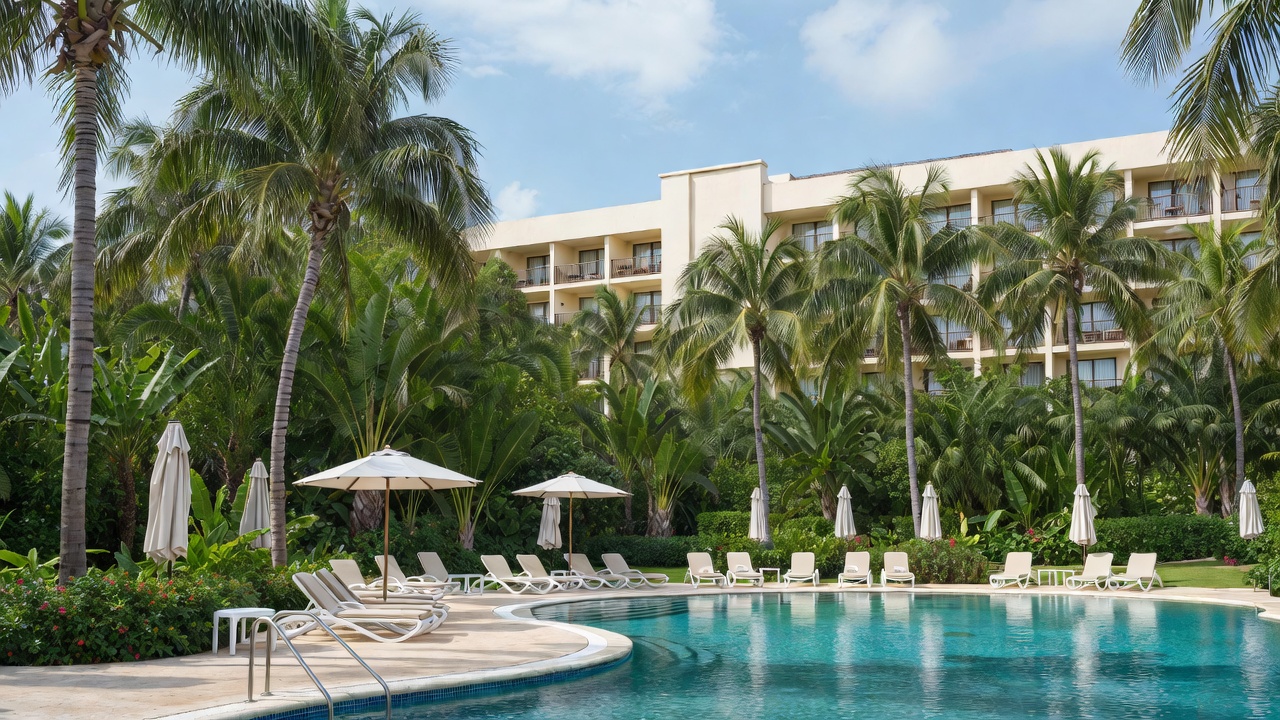
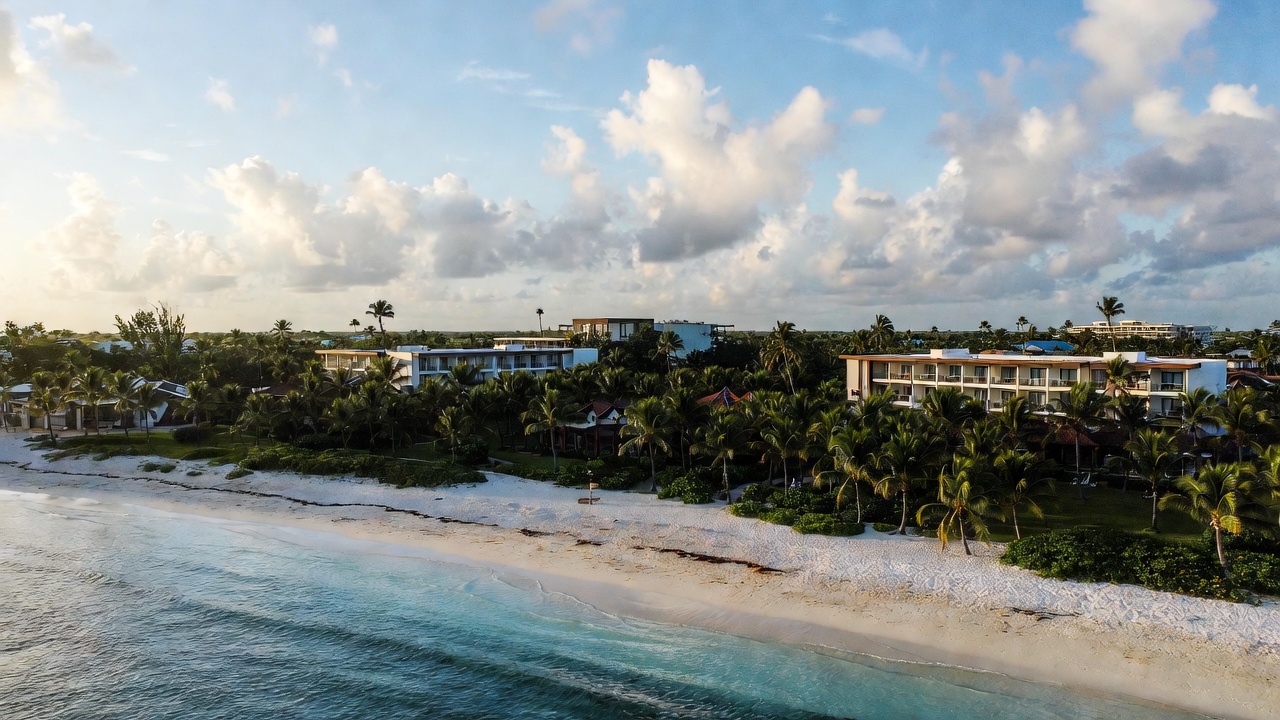
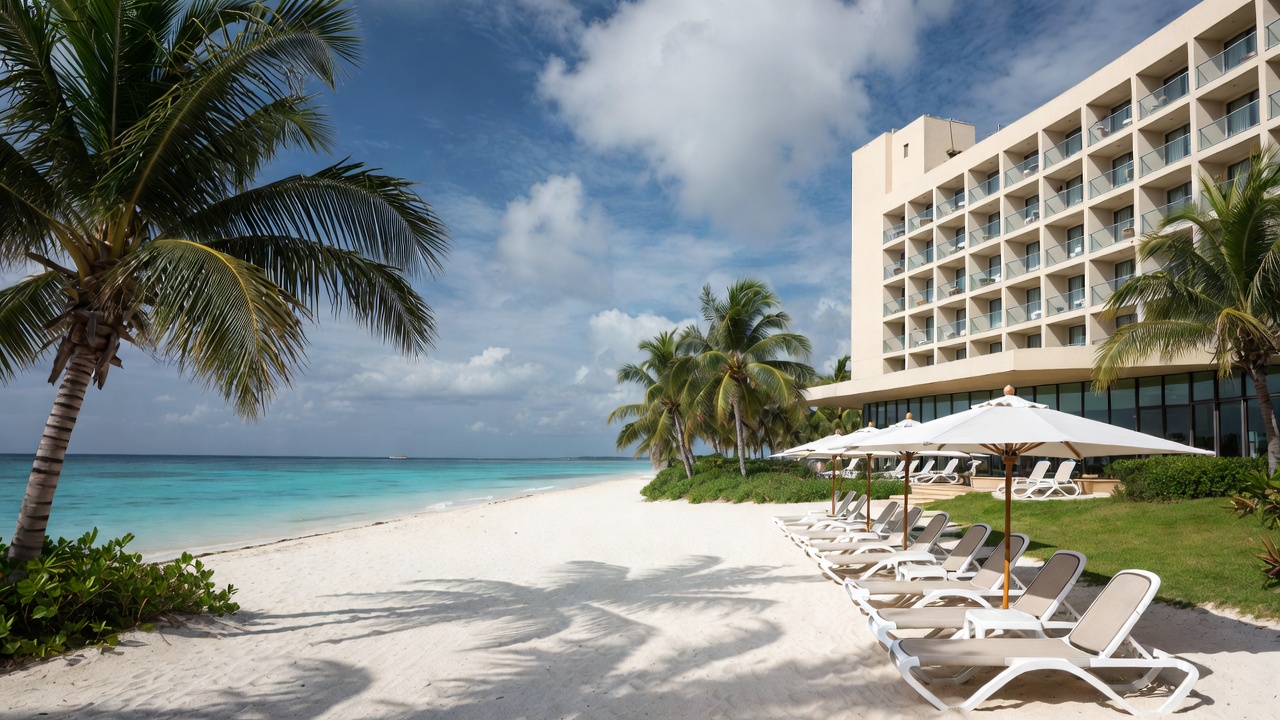
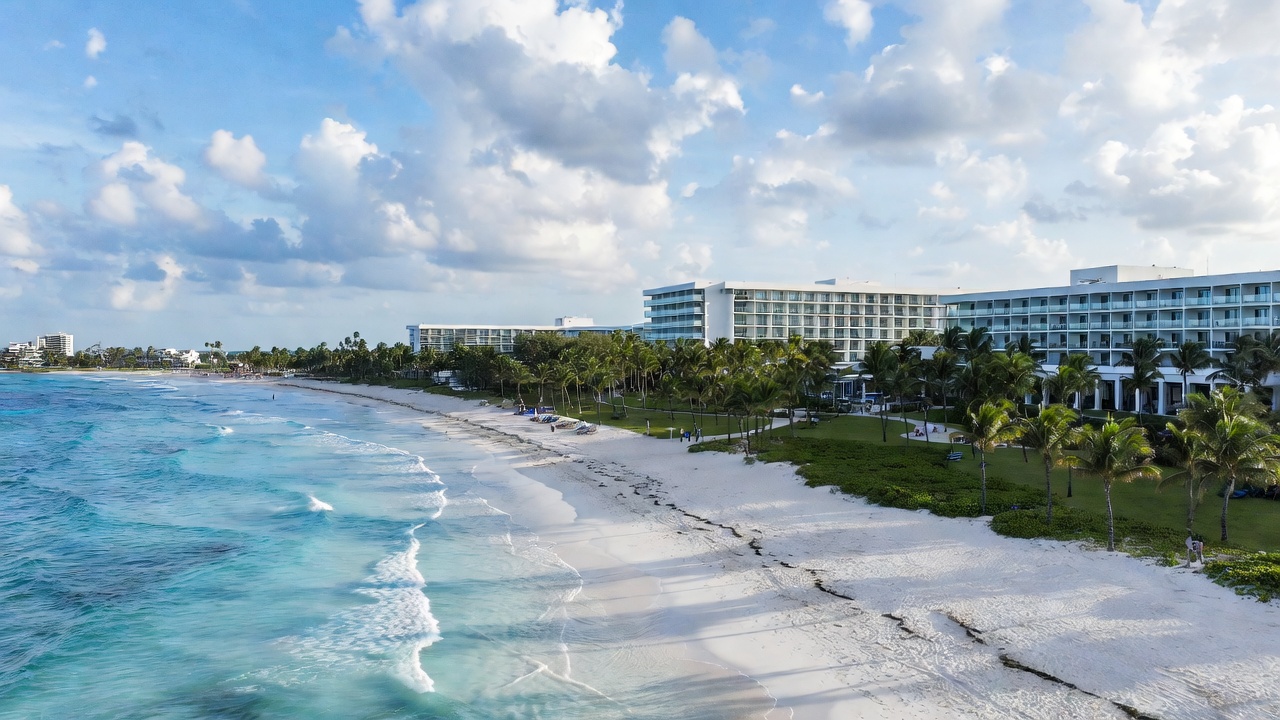
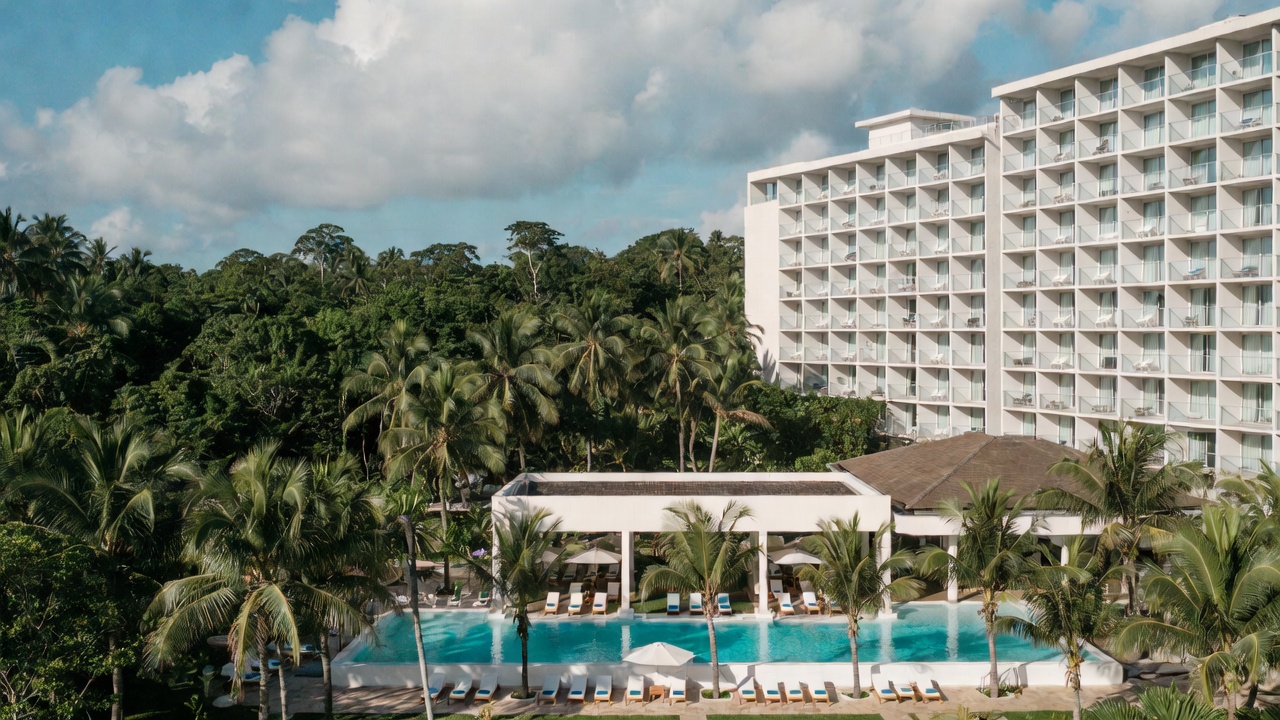
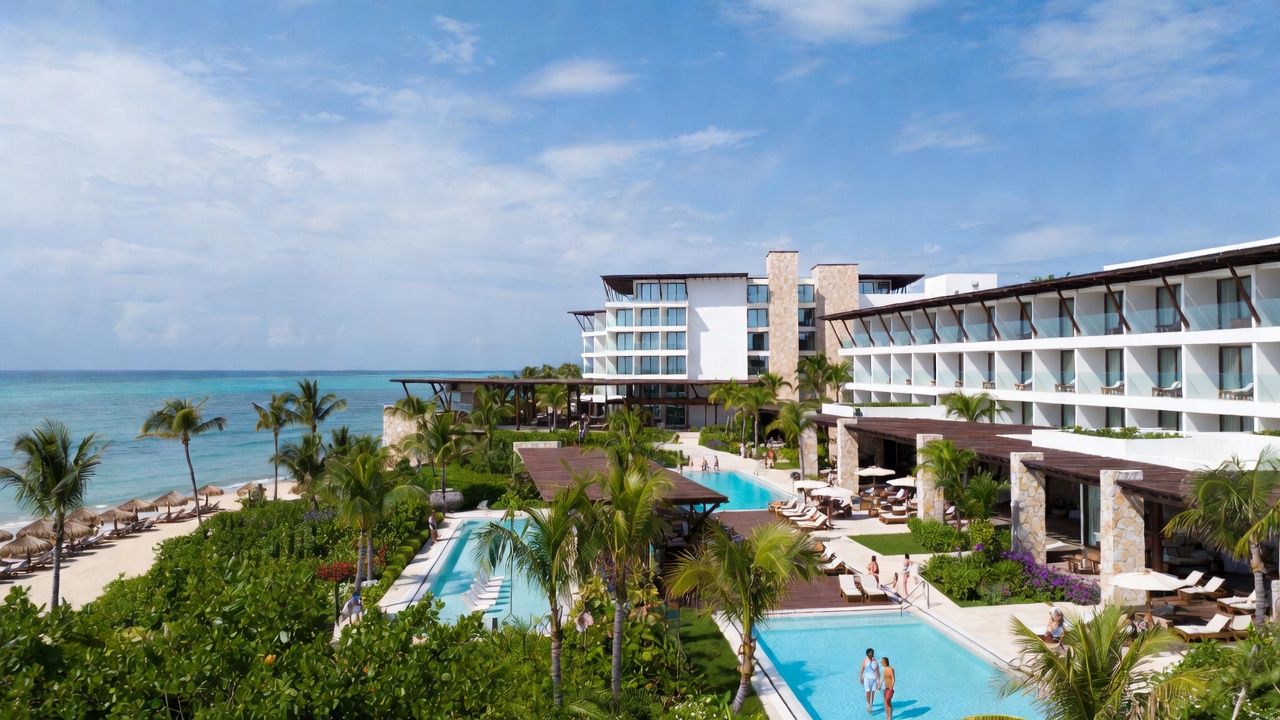
The rivals are moving fast. Marriott, which controls a large share of the luxury resort market, is pushing an all-inclusive luxury strategy through its Marriott All-Inclusive Resorts and premium brands. Hilton, after entering the category through acquisition, is building out its own all-inclusive lineup across Mexico and the Caribbean.
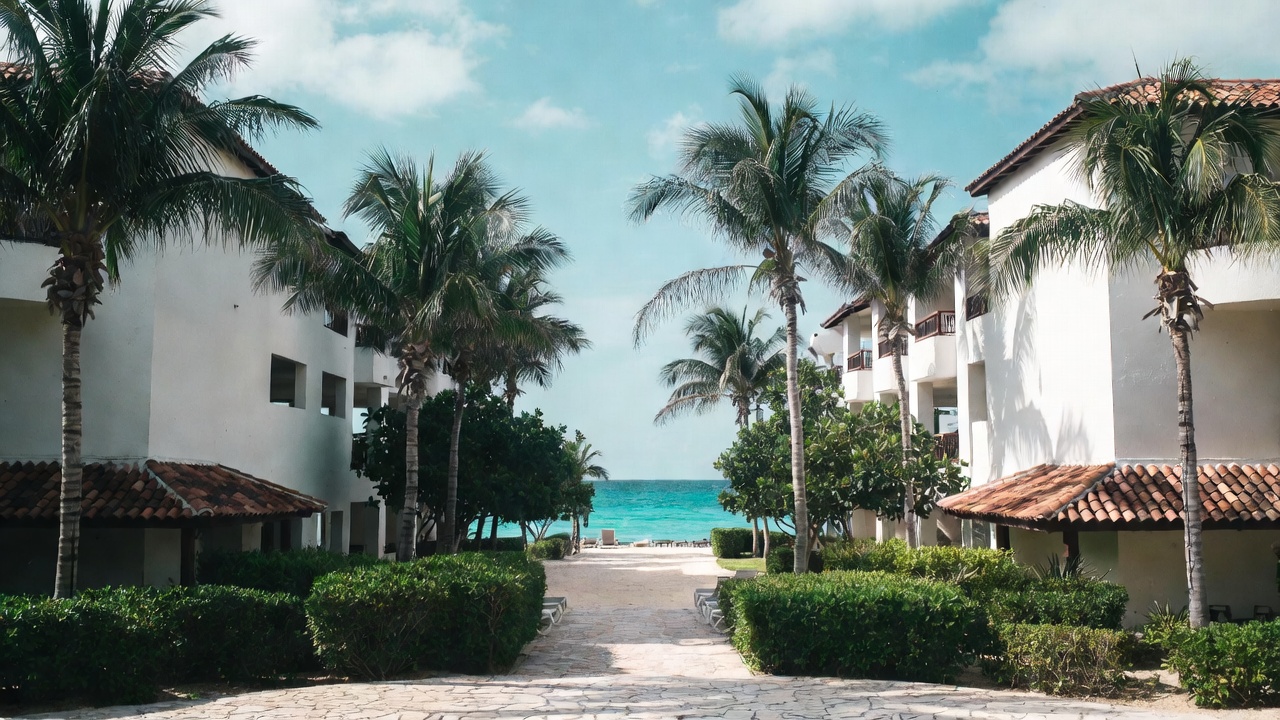
The throughline is that all-inclusive is no longer a niche. For chains chasing leisure travelers who want predictable costs and resort amenities in a single price, it's becoming the main event — and the land grab across Mexico, the Caribbean, and now Europe is only accelerating.