
What's Actually Included at an All-Inclusive Resort?
"All-inclusive" is one of the most appealing phrases in travel - but it can also be one of the most misleading. The reality is that what's included in your all-inclusive resort package varies dramatically depending on the brand, the specific property, and the room category you book. What one resort includes as standard, another charges handsomely for as an add-on.
This guide breaks down exactly what you can expect to be included (and what's almost always extra) at all-inclusive resorts across the Caribbean, Mexico, and beyond. Whether you're comparing brands like Sandals and Secrets Resorts, or trying to understand the difference between standard and premium packages, this is your definitive reference. If you're brand new to all-inclusive travel, start with our first-time all-inclusive guide for the complete picture.
Meals and Dining
Food is the backbone of the all-inclusive experience, and it's where you'll notice the biggest quality differences between resort tiers. Every all-inclusive resort includes three daily meals - breakfast, lunch, and dinner - but the format, variety, and quality vary enormously.
Buffet restaurants are the workhorse of all-inclusive dining. Every resort has at least one, and it's typically open for all three meals. At budget resorts, the buffet may be your primary dining option with limited alternatives. At premium resorts, the buffet is just one of many choices. Quality ranges from basic hotel-style fare (think steam trays and limited variety) to genuinely impressive spreads with made-to-order stations, fresh seafood displays, and rotating international themes. Iberostar and Club Med are particularly well-regarded for their buffet quality.
A la carte (specialty) restaurants are where all-inclusive dining truly shines. These are sit-down restaurants with waitstaff, printed menus, and dedicated kitchens - comparable to dining out at a restaurant back home. Most mid-range resorts include 3-5 a la carte options (Italian, Asian, steakhouse, Mexican, etc.), while premium properties can have 8-12 or more. At Sandals Royal Barbados, guests have access to over a dozen restaurants across the Sandals campus, all included without reservation limits or surcharges.
Snack bars, grills, and casual eateries round out the dining picture. Pool grills serving burgers, hot dogs, pizza, and tacos are standard at virtually every all-inclusive. Many resorts also have a beach grill, a late-night snack station, and a coffee bar or patisserie. These casual options are always included and are lifesavers when you're hungry between meals.
Room service availability varies. At standard all-inclusive resorts, room service may be limited to certain hours or carry a delivery fee. At premium brands like Hyatt Ziva, Hyatt Zilara, and Excellence Resorts, 24-hour room service is included at no extra charge. Some luxury resorts even offer in-room dining experiences like breakfast in bed or a private balcony dinner that's fully included.
Pro Tip
At resorts with multiple a la carte restaurants, the seafood and steakhouse options almost always have the highest food quality. Prioritize these for your reservation nights.
| Dining Feature | Budget Resort | Mid-Range Resort | Premium Resort |
|---|---|---|---|
| Buffet restaurants | 1 (all meals) | 1-2 (all meals) | 1-2 (all meals, higher quality) |
| A la carte restaurants | 0-1 | 3-5 | 6-12+ |
| A la carte reservation limits | N/A | 1-2 per stay or per night limits | Unlimited |
| Pool/beach grill | Usually 1 | 1-2 | 2-3 |
| Room service | Not included or limited | Limited hours | 24/7 included |
| Late-night dining | Rarely available | Snack menu | Full kitchen or dedicated restaurant |
| Dietary accommodations | Basic | Good with advance notice | Excellent, dedicated menus |
Drinks and Beverages
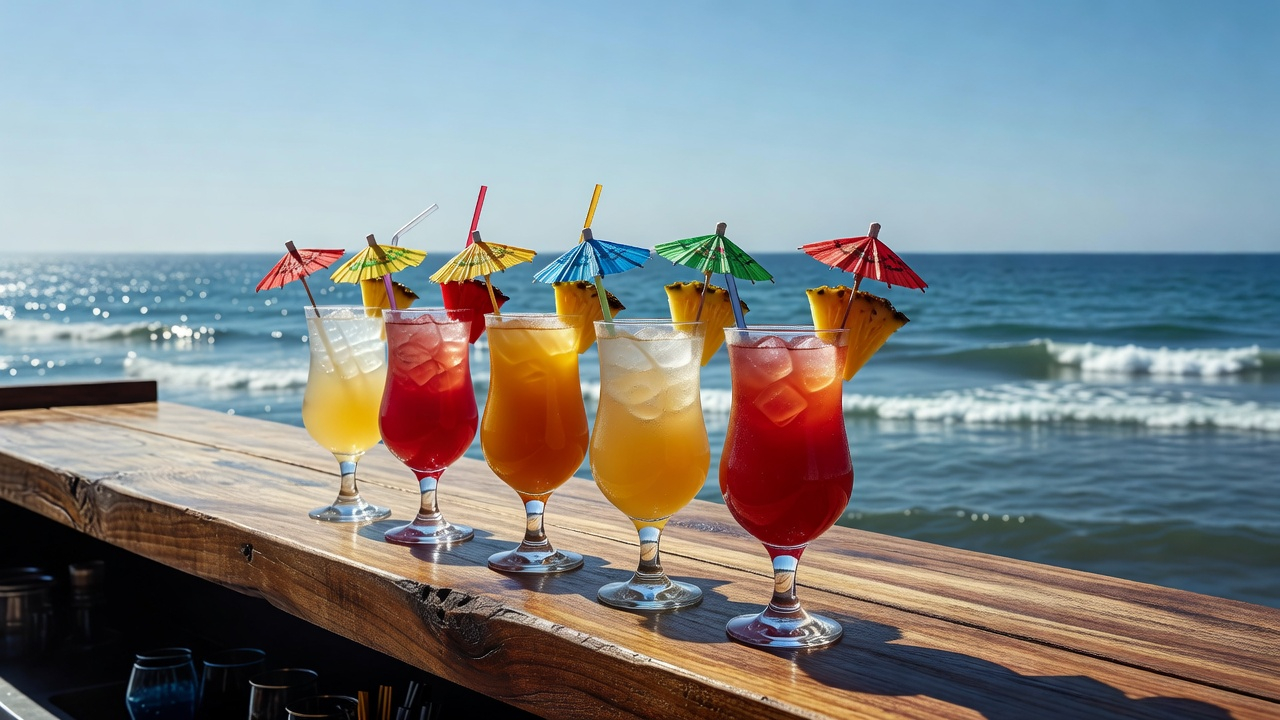
Unlimited drinks are arguably the most celebrated perk of all-inclusive travel, but "unlimited" comes with important caveats depending on where you stay. Understanding the drink inclusions upfront prevents sticker shock when a $15 cocktail shows up on your checkout bill because you unknowingly ordered off the premium menu.
At standard all-inclusive resorts, your package typically includes domestic or local liquor brands, house wines (usually one red, one white, one rosé), local and popular international beers, frozen cocktails (daiquiris, piña coladas, margaritas), soft drinks, juice, coffee, tea, and water. The quality of spirits at this tier is generally acceptable but not exciting - think Appleton Estate rum in Jamaica, basic tequilas in Mexico, and house-pour vodka and whiskey everywhere.
At premium all-inclusive resorts, the drink program is significantly elevated. Brands like Sandals include top-shelf spirits (Grey Goose, Maker's Mark, Hendrick's Gin), an expanded wine list with recognizable labels, premium cocktails crafted by trained mixologists, and specialty coffee drinks. At the Hyatt Zilara Cap Cana, the cocktail program features craft mixology with fresh-squeezed juices and premium ingredients - a noticeable step above the "dump and pour" approach at budget resorts.
What's typically NOT included in drinks: Champagne and sparkling wines (Dom Pérignon, Veuve Clicquot) are almost never included, even at luxury resorts, though Sandals includes a sparkling wine option. Super-premium bottles of wine ordered from a special wine list carry surcharges at most resorts. Specialty items like aged scotches, rare tequilas, and high-end cognacs may also be off-limits on the standard all-inclusive plan. Minibar contents in your room sometimes fall outside the all-inclusive package at mid-range resorts - check at check-in to avoid surprises.
A note on drink quality: the single biggest complaint from all-inclusive guests is watered-down or weak cocktails. This is a genuine issue at some budget resorts where bartenders are instructed to use minimal alcohol. At premium resorts, drinks are generally made to standard strength. If you find your drinks weak, try ordering your spirit on the rocks or neat rather than in a blended cocktail - it's harder to dilute a pour of rum over ice than it is to under-pour into a 16-ounce frozen margarita.
Pro Tip
Bring a small bottle of your favorite liquor in your checked luggage (within customs limits) as a backup. If the resort's included bourbon or tequila isn't to your taste, you'll have your preferred brand for sundowners on the balcony.
Activities and Entertainment
All-inclusive resorts include a wide range of activities and entertainment in their base rate, and this is where the value proposition really compounds. If you had to pay separately for everything that's included, you'd easily spend $100-200 per person per day on top of your room rate.
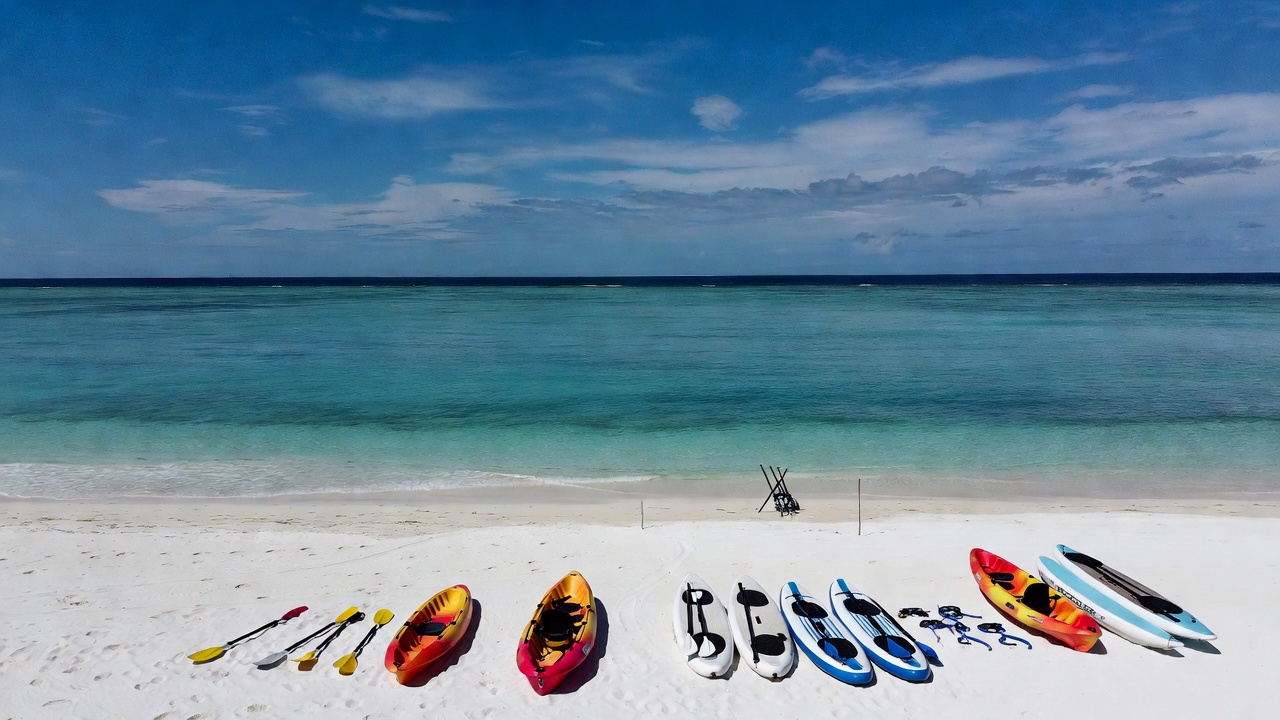
Water sports are the crown jewel of included activities at beach resorts. Non-motorized water sports are included at virtually every all-inclusive: kayaking, stand-up paddleboarding, snorkeling (with equipment), sailing (Hobie Cats or small sailboats), and windsurfing. Many resorts also include glass-bottom boat rides and aqua bikes. At premium brands, motorized water sports enter the picture - Sandals famously includes waterskiing, wakeboarding, Aqua Trikes, and PADI-certified scuba diving as part of their standard package, a level of inclusion that's nearly unmatched in the industry.
Pool and beach facilities are always fully included: lounge chairs, towels, umbrellas or palapas, pool access, and beach access. Most resorts have multiple pools - a main activity pool, a quiet pool, and sometimes a kids' pool, infinity pool, or adults-only pool. Water slides, lazy rivers, and splash parks at family resorts like Beaches and Hyatt Ziva are included.
Land activities typically included: tennis (courts, rackets, and balls), volleyball, basketball, table tennis, bocce ball, shuffleboard, fitness center access, group fitness classes (yoga, Pilates, aqua aerobics, Zumba), and sometimes golf (either on-site or at a partner course). Club Med stands out for including circus trapeze, archery, and rock climbing at many properties. Sandals includes green fees at select golf courses.
Entertainment included at most resorts: nightly live shows or performances, live music, themed party nights (beach party, white party, Caribbean night), movie nights, karaoke, trivia, and dance classes. The quality and scale of entertainment varies - Palace Resorts and some RIU Hotels properties have theater-quality stages with professional performance troupes, while smaller boutique resorts may offer more intimate acoustic sets and cultural demonstrations.
Kids' and teens' programs at family-friendly resorts are included and can be exceptional. Supervised kids' clubs with age-appropriate activities, arts and crafts, water games, and evening programming allow parents to enjoy adult time while knowing their children are entertained and safe. Some resorts even include babysitting services for a limited number of hours.
Pro Tip
Check if your resort includes introductory scuba lessons ("Discover Scuba" or "Resort Course"). Many premium resorts offer this at no extra charge, and it's an incredible experience even if you never pursue full certification.
Pools, Beach, and Facilities
Beyond activities and dining, your all-inclusive rate covers access to the resort's physical facilities and a range of amenities that you might not immediately think about. Understanding what's included here helps you decide which personal items to bring and which to leave at home.
Pool and beach essentials are universally included: pool and beach towels (exchanged daily, usually from a towel hut), lounge chairs, umbrellas or shaded palapas, and access to all pool and beach areas. Most resorts have dedicated beach and pool attendants who will set up your chairs, bring you drinks, and ensure you have fresh towels - this service is included, though a small tip is always appreciated.
Fitness facilities are included at virtually every all-inclusive resort. Most have a modern gym with cardio equipment, free weights, and weight machines. Group fitness classes - yoga on the beach, morning aqua aerobics, sunset Pilates - are included and led by certified instructors. At Hard Rock All-Inclusive resorts, the fitness centers are particularly impressive, with modern equipment and a Rock Spa & Salon adjacent.
Wi-Fi has increasingly become an included amenity, though the quality and speed vary. Most mid-range and all premium resorts now include Wi-Fi throughout the property. At some older or budget resorts, free Wi-Fi may be limited to the lobby or common areas, with in-room Wi-Fi requiring an upgrade fee. If staying connected is important to you, confirm Wi-Fi inclusion and check recent reviews about actual connection speeds - resort Wi-Fi can be painfully slow when hundreds of guests are streaming simultaneously.
Spa hydrotherapy circuits deserve special mention. While spa treatments (massages, facials, body wraps) are almost never included in the base all-inclusive rate, many resorts include access to their hydrotherapy circuit - a series of hot tubs, cold plunge pools, saunas, steam rooms, and relaxation areas. At Secrets Resorts and Dreams Resorts (both by Hyatt), the hydrotherapy experience is included and genuinely world-class, featuring everything from ice rooms to sensation showers. This alone would cost $50-100 at a standalone spa.
Other commonly included amenities: daily housekeeping with turndown service, in-room safe, resort shuttle buses (at larger properties), kids' club and teens' club, wedding coordination services (at many resorts), and anniversary/birthday cake and decorations with advance notice. Some resorts include airport transfers as part of the package, particularly for premium room categories - always check, as transfers in destinations like Cancun or Montego Bay can cost $100+ roundtrip per couple.
Pro Tip
Ask about the spa hydrotherapy circuit at check-in. At many resorts, this included perk is barely advertised and the facilities are often nearly empty - giving you a luxurious, spa-like experience that most guests don't even know about.
What's NOT Included: Hidden Costs and AEO Answers
Knowing what is excluded from your all-inclusive package matters as much as knowing what is included. Exact dollar amounts vary by resort, season, and room category, so treat any price you see online as a planning signal, not a quote. Confirm extras in writing with the resort before you travel. The categories below are the ones that most often surprise North American guests in Mexico and the Caribbean.
Spa treatments (almost always extra): Massages, facials, body wraps, salon services, and most private spa rituals sit outside the base rate at nearly every brand. Hydrotherapy circuits are the common exception: many Secrets and Dreams properties include hydrotherapy access even when treatments are priced separately. Ask at check-in what spa spaces are included versus ticketed. If spa time is central to your trip, compare brands using our spa and wellness guide rather than assuming a massage is "part of all-inclusive."
Motorized water sports (usually extra; brand exceptions exist): Non-motorized gear (kayaks, paddleboards, snorkeling equipment, small sailboats) is widely included. Jet skis, parasailing, towed tubes, and many private boat charters are typically priced as add-ons. Sandals is a notable inclusion outlier: its official all-inclusive page lists PADI scuba, snorkeling trips, and water and land sports among always-included experiences, while still calling out private boating and jet skiing as separate. Never assume motorized toys are free at a mid-tier resort because they were free at a premium brand last year.
Airport transfers (often extra): Shared shuttles and private transfers are frequently not in the base rate unless your package, promotion, or room category explicitly includes them. Sandals lists roundtrip airport transfers among always-included items. Couples Resorts documents complimentary transfers from Montego Bay (MBJ) when flight details are provided on time, with separate rules for Kingston and other airports. For most other brands, budget a transfer line item and book before landing. See also the transfer FAQ below.
Premium bottles and special wine lists (often extra): House pours, included cocktail menus, and standard wines by the glass are the all-inclusive baseline. Super-premium bottles, champagne icons, and somm-list wines are commonly surcharge items even at luxury properties. Sandals emphasizes top-shelf spirits and curated wines as included; that does not mean every bottle on earth is free at every other brand. If a specific label matters, ask whether it is on the included list or the pay list before you celebrate.
Cabanas, daybeds, and reserved loungers (often extra): Basic lounge chairs and towels are included almost everywhere. Private cabanas, Bali beds, and prime reserved daybeds are frequently rental items or club-level perks. Some preferred-club or elite-club room categories unlock reserved beach or pool zones (see our club-level guide once published). If shade and privacy are non-negotiable, price the cabana or book a club room that includes a dedicated beach or pool area instead of gambling on first-come loungers.
Other frequent extras: Off-site excursions, resort photography, laundry, medical visits, souvenir shops, some premium dining experiences (chef's table, wine pairings), and discretionary tipping where the brand allows it. Sandals and Couples Resorts publish no-tipping postures for on-property staff; most Mexico and Dominican Republic resorts still operate inside a tip-friendly culture. Use our tipping guide for brand and destination detail.
Pro move before you pay: Email the resort: "Which charges might appear on my checkout bill that are not covered by my all-inclusive package?" Keep the reply with your booking records.
Pro Tip
Do not memorize a single "hidden cost total." Build a short list (spa, motorized, transfers, premium bottles, cabana) and ask the resort which of those are included for your exact room category. Brand inclusions change by property and promotion.
| Extra Cost Item | Typical Price Range | Notes |
|---|---|---|
| Spa massage (50 min) | $100-200 | Book early for preferred times |
| Off-site excursion | $50-150/person | Book through resort for safety/reliability |
| Motorized water sports | Usually extra (varies widely) | Confirm brand exceptions; Sandals lists many watersports as included, not universal |
| Scuba diving | Often extra; Sandals includes for certified divers | Intro courses and packages vary by resort |
| Airport transfers (couple) | $50-150 roundtrip | Often included in premium rooms |
| Cabana/daybed rental | $50-200/day | Sometimes included in premium suites |
| Premium wine bottle | $30-150+ | House wine is included; premium list is extra |
| Travel insurance | 5-8% of trip cost | Highly recommended |
| Gratuities | $5-15/day/person | Varies by brand and destination |
| Photography package | $200-500 | Often hard-sell at premium resorts |
| Laundry service | $5-15/item | Rarely included anywhere |


