
Best Time to Book an All-Inclusive Resort
For Riviera Maya, Los Cabos, and Jamaica all-inclusives, decide your travel window first (peak, shoulder, or value season), then your purchase window (how far ahead to lock the room). Those two calendars are not the same: peak winter dates often need a longer lead time, while late-summer value dates can be reserved closer in if you accept weather and renovation risk.
Most U.S. and Canadian planners on this page are choosing among Cancun / Riviera Maya beach inventory, Pacific Baja in Los Cabos, or Jamaica's Montego Bay, Negril, and Ocho Rios corridors. The sections below walk seasonal pricing, booking lead times, sale periods, and destination-specific timing so the Mexico / Cabo / Jamaica promise in search results matches what you read on the page.
Jump to the destination modules and FAQ for the fastest answers, then pair this guide with our budget guide, travel insurance guide, what is included, how to choose, and first-time guide when you are ready to pick a property.
Need the short version first? Peak stays usually need about 4-6 months of lead time, shoulder about 2-4 months, and many value-season trips about 6-10 weeks, while you verify renovations and weather policies. The FAQ answers how far ahead to book, which months run cheapest, how Riviera Maya differs from Cabo, and when Jamaica value windows usually open.
Seasonal Pricing Overview: How All-Inclusive Rates Fluctuate
All-inclusive resort pricing follows predictable seasonal patterns driven by weather, school holidays, and regional demand. Understanding these cycles is the foundation of smart booking. Most resorts in the Caribbean and Mexico operate on a three-tier pricing model: peak season, shoulder season, and off-season (sometimes called "value season").
Mexico's Caribbean coast, Los Cabos, and Jamaica share winter peak demand from U.S. and Canadian travelers, but they diverge on storm calendars, beach swimability, and how fast premium room categories sell out. Treat them as three related markets, not one interchangeable Caribbean price tag.
Peak season typically runs from mid-December through mid-April, coinciding with winter escape demand from North America. During this window, resorts charge premium rates and popular room categories disappear first. Brands like Sandals, Couples Resorts, Excellence Resorts, and Secrets Resorts often see their most requested suites sell out months in advance, especially for Christmas, New Year, and U.S. school-break weeks.
Shoulder season (roughly late April through mid-June and November through mid-December) offers a compelling middle ground. Weather is still strong at most NA-facing destinations, crowds are thinner, and prices commonly drop versus peak. Many RIU Hotels and Iberostar properties run attractive shoulder promotions in these windows, which is why value-conscious couples and families often land here instead of deep peak.
Off-season, which spans roughly mid-June through October, brings the deepest discounts. This period coincides with Atlantic hurricane season for Riviera Maya / Cancun and Jamaica, and with hotter, more humid months plus eastern Pacific storm risk for Los Cabos. Flexible travelers who verify renovations and brand weather terms can still find strong value; rigid itineraries usually prefer shoulder or early-peak dates instead. Maldives and other long-haul calendars are a different monsoon story; keep them as a light later note, not the main planning frame for this page.
Pro Tip
The first two weeks of December (before holiday rates kick in) are often the single best winter-value window: you get peak-season weather at shoulder-season prices, and most resorts have not yet filled up with holiday guests.
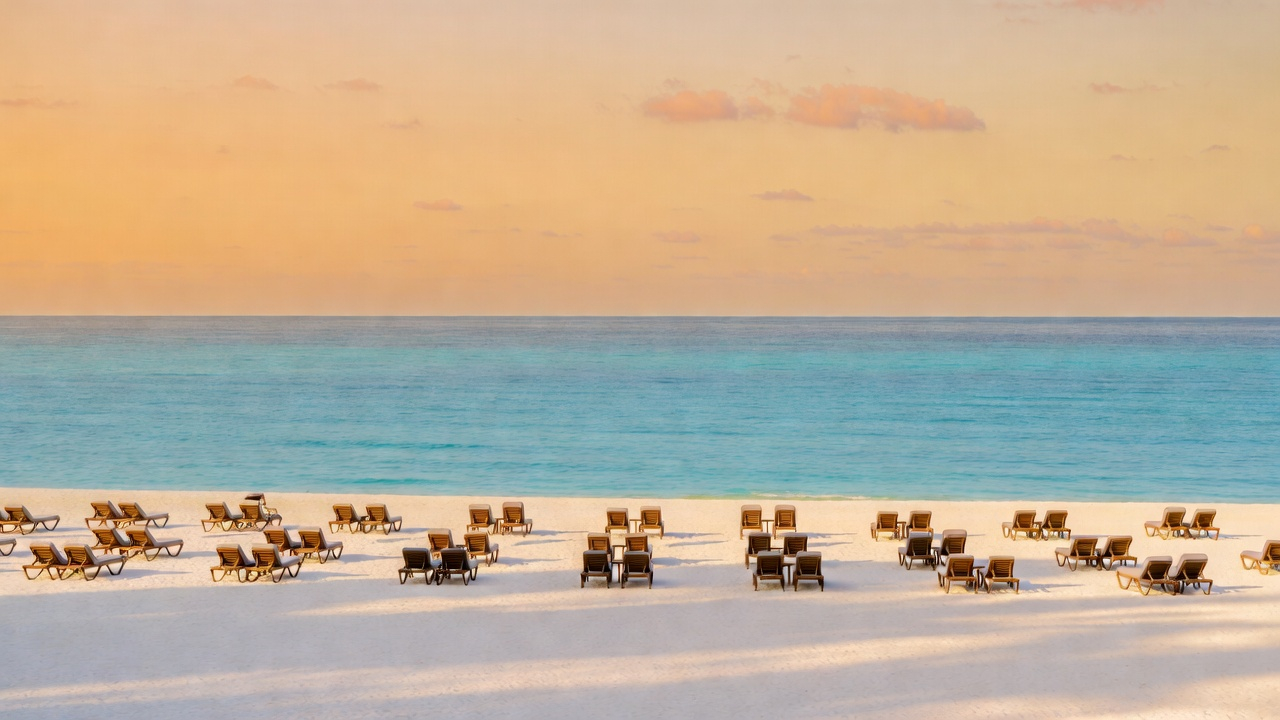
Peak vs. Off-Season: Weighing the Trade-Offs
Choosing between peak and off-season is not just about price. It is about the experience you want. Peak season delivers the most reliable weather, the fullest programming (nightly entertainment, restaurants open, full activity schedules), and the liveliest atmosphere. If you are celebrating a honeymoon or anniversary at a premium Mexico or Jamaica property, peak season usually means everything is running at full capacity.
Early December winter-value window: The first half of December is a quotable sweet spot for many Riviera Maya, Cabo, and Jamaica trips. You still get dry-season weather odds, but rates often sit closer to shoulder than Christmas week. Once holiday packages lock in (roughly mid-December through New Year), availability and price both tighten. If your calendar is flexible, search early December before you assume you must pay full peak. This is one of the clearest "travel window versus purchase window" examples on the calendar: travel early December, and purchase whenever a verified sale appears in the preceding months.
The downsides of peak season are real. Beyond higher resort rates, pools and beaches are busier, specialty restaurants book out faster, and flights surge. A couple spending a week at a luxury all-inclusive during peak season can easily pay thousands more than the same trip in shoulder season once flights are included. That flight line matters for North American snowbirds: a cheap resort rate with expensive airfare is not a bargain.
Off-season brings quieter pools, easier restaurant reservations, and more personalized service. Staff-to-guest ratios often feel better, and you may find empty loungers midweek. Many resorts also run renovations then, so ask about planned construction before you book. Brands like Dreams Resorts and Secrets Resorts often schedule refurbishments between August and October.
If you are looking farther afield than the NA trio, the Maldives follows a different monsoon rhythm (dry roughly November through April; wet roughly May through October). Keep that as a side note; for most U.S. and Canadian planners on this page, Mexico and Jamaica calendars matter more.
Use the peak versus shoulder versus off-season table below as a planning snapshot, then refine with the destination modules. Early December often behaves like a shoulder-priced peak-weather week for Riviera Maya, Cabo, and Jamaica; deep September behaves like maximum discount with maximum storm-season uncertainty. Your risk tolerance should pick the travel window before any sale email picks the purchase window for you.
Pro Tip
If you book off-season in the Caribbean, ask which coast or side of the island is more sheltered for your dates, and confirm renovation schedules in writing before you pay.
| Factor | Peak Season (Dec-Apr) | Shoulder Season (May-Jun, Nov) | Off-Season (Jul-Oct) |
|---|---|---|---|
| Pricing | Highest (100% of rack rate) | Moderate (65-80% of rack rate) | Lowest (50-70% of rack rate) |
| Weather Reliability | Excellent (minimal rain) | Very Good (occasional showers) | Variable (hurricane risk in Caribbean) |
| Crowd Levels | High - pools and restaurants busy | Moderate - comfortable atmosphere | Low - may feel quiet or empty |
| Restaurant Availability | All open, but hard to reserve | Most open, easy reservations | Some may close for renovations |
| Flight Costs | Premium pricing | Moderate savings | Best flight deals available |
| Overall Value | Pay more, guaranteed experience | Best balance of value and conditions | Highest savings, most risk |
Booking Window Strategies: How Far in Advance Should You Book?
The optimal booking window (the time between when you make your reservation and your actual travel dates) varies by destination, season, and the type of resort you want. Getting this right is one of the most impactful decisions for Riviera Maya, Los Cabos, or Jamaica.
Peak season (including holidays): Booking 4-6 months in advance is ideal. This window gives you access to the best room categories and early-booking promotions while the resort still has inventory. Top-tier suites at premium couples brands can sell out 6-8 months ahead for Christmas and New Year weeks, so if you have specific dates and room types in mind, do not wait. Sandals and Couples Resorts typically reward earlier bookers with stronger category choice; many Excellence and Secrets categories behave the same way in peak.
Shoulder season: A 2-4 month booking window usually strikes the right balance. You will still have strong inventory, and many resorts release shoulder-season promotions about three months before the travel window opens. This is often the sweet spot for travelers who want strong weather odds without full peak pricing.
Value / hurricane-adjacent season: You can often book just 2-6 weeks out and still get rates because demand is lower. The promotional sweet spot is typically 6-10 weeks before travel. Booking too close can mean missing the best published promotions, and renovations are more common in summer and early fall, so ask before you pay.
For long-haul destinations such as the Maldives, extend windows modestly because international flights need earlier shopping. For most North American Mexico and Jamaica trips, reuse the peak / shoulder / value ranges above.
Pro Tip
Set a price alert on Google Flights as soon as dates firm up. For many Caribbean routes, fares often look strongest about 6-8 weeks before departure; expensive short-notice airfare can erase a cheap resort rate.
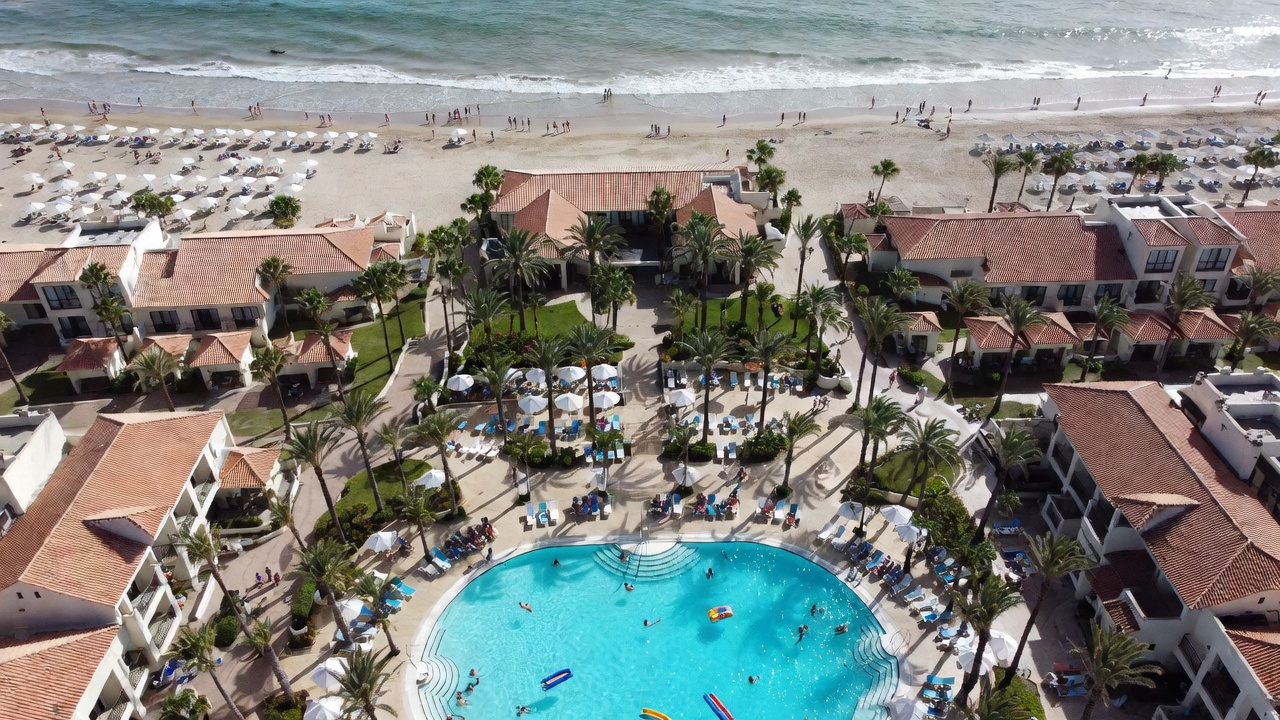
Sale Periods and Promotions: When the Best Deals Drop
All-inclusive brands and major vacation packagers follow a predictable promotional calendar. Knowing when the biggest sales happen lets you align your purchase window with the travel window you already chose for Mexico, Cabo, or Jamaica.
January (New Year sales): Often the biggest sale period of the year for all-inclusive resorts. After the holiday rush winds down, resorts aggressively discount to fill spring and summer inventory. Sandals and Beaches typically run large January promotions that can include free nights, resort credits, and complimentary room upgrades. Palace Resorts and Hard Rock All-Inclusive also launch significant January campaigns aimed at Mexico and Caribbean inventory.
Black Friday / Cyber week (late November): The second-largest promotional window, and an excellent time to purchase peak-season travel for the following winter. Nearly every major brand participates with flash offers, and online packagers such as Costco Travel and Apple Vacations surface exclusive packages. Iberostar and Bahia Principe have historically discounted select Mexico Caribbean properties aggressively in this period. Treat advertised "was" pricing as a starting point to verify, not a guaranteed floor.
Spring family promos (March-April): Many brands run spring sales targeting summer and early-fall travel. These are particularly useful for families. Dreams Resorts and Club Med frequently offer kids-focused promotions that change the total trip math.
Hurricane-season specials (August-September): As storm season peaks, resorts slash prices and sometimes add more generous cancellation language to attract bookings. The deals can be extraordinary; the weather and renovation risks are also real. Prefer flexible or refundable terms when booking into this window, and read brand weather or rebooking fine print before you pay. RIU Hotels and similar high-inventory brands often price aggressively here.
Travel Tuesday (first Tuesday after Thanksgiving): A newer secondary one-day travel push. Worth checking after Black Friday, not a reason to skip the bigger January and late-November windows.
Pro Tip
Sign up for email lists from your shortlist brands by October so you hear about Black Friday and January sales early. Many brands send subscriber codes 24-48 hours before public launch. Prefer flexible rates when booking far out.

Last-Minute vs. Advance Booking: Which Strategy Pays Off?
The debate between last-minute and advance booking is one of the most common questions in all-inclusive travel planning. The honest answer: it depends on your flexibility and risk tolerance. Both strategies can work for Riviera Maya, Los Cabos, or Jamaica, but they serve different travelers.
Advance booking (3-6+ months out) is the safer, more reliable strategy. You get preferred dates, preferred room categories, and peace of mind. Most major brands, including Sandals, Excellence Resorts, and Secrets Resorts, price advance promotions competitively enough that the savings from waiting are not guaranteed. Advance booking also gives you time to set up payment plans and to book flights when prices are reasonable from U.S. and Canadian gateways.
The main advantages of advance booking are choice and certainty. You can lock the exact swim-out suite, preferred building, or oceanfront category you want. For honeymoons and milestone trips, that certainty is invaluable. Premium categories disappear quickly during Christmas, New Year, and school-break weeks across Mexico and Jamaica.
Last-minute booking (within about 2-4 weeks of travel) can look cheaper on the resort line, but it comes with trade-offs. You will have limited room selection, potentially no availability at your first-choice resort, and you will often pay premium prices for flights booked on short notice. For North American snowbirds, that airfare spike can easily erase hotel savings. Last-minute works best for flexible travelers who can depart from a hub airport, do not need a specific suite, and will accept alternate properties.
There is a middle ground many seasoned travelers use: book early, then monitor for price drops. Some resorts and agencies offer price-match or rebooking flexibility. If the rate drops after you book, you may get the lower rate or a credit. Confirm the live policy for your booking channel before you count on it. Hyatt Ziva and Hyatt Zilara properties booked through Hyatt channels are often cited for flexible rebooking, but always verify current terms.
Pro Tip
If you go last-minute, compare flight-plus-hotel packages against separate bookings. A cheap resort rate with expensive airfare is not a win for most North American itineraries.
Destination-Specific Timing: Riviera Maya vs Cabo vs Jamaica (and Beyond)
For North American planners, the sharpest call is usually Riviera Maya versus Los Cabos versus Jamaica, not a generic Caribbean blob. Use the modules below as the primary body of this guide; keep Southern Caribbean and Maldives as brief "if you are looking farther" notes only.
Riviera Maya and Cancun: Peak demand runs mid-December through mid-April, with Christmas, New Year, and U.S. school-break weeks selling out first. A secondary summer family peak shows up in July and August when Latin American and European family travel overlaps U.S. summer holidays. Shoulder value is often strongest from late April through mid-June and again from early November through early December (before holiday rates lock in). The deepest advertised discounts on Mexico's Caribbean coast commonly cluster in September through mid-November, overlapping Atlantic hurricane season, so price and risk move together.
Inventory is plentiful at large brands such as Iberostar, RIU Hotels, and Bahia Principe, which means last-minute options exist more often here than at boutique islands. For peak winter travel, plan about 3 to 5 months ahead if you care about a specific room category. For shoulder travel, 2 to 4 months is usually enough. For value-season travel, 6 to 10 weeks can still capture promotional rates without boxing you into a renovation surprise. Always ask the property about scheduled construction before you book summer or early fall.
Los Cabos: Cabo follows a Pacific Baja rhythm, not a carbon copy of Cancun. Whale-watching season (roughly December through April) adds demand on top of North American winter escape traffic. Summer heat is real, and tropical storm risk in the eastern Pacific is a different calendar than Atlantic hurricane season, even when both land in a June to November window. Cabo can feel quieter than Riviera Maya in some shoulder weeks, but boutique and adults-only inventory still books early for holidays.
Treat Cabo as its own micro-market: compare rates for your exact dates rather than assuming Cancun sale timing applies. If beach swimability and sea conditions matter to you, verify current conditions for your travel week; Cabo's ocean profile differs from the Caribbean side of Mexico. Adults-only and luxury categories still reward the same early holiday locks you would use in Jamaica or Riviera Maya.
Jamaica (Montego Bay, Negril, Ocho Rios): Jamaica's peak window also tracks December through April, with Christmas and New Year weeks as the hardest sellouts, especially at premium couples brands. Shoulder value often appears late April through mid-June. Hurricane-season discounts can be meaningful from summer into fall, but Jamaica sits inside the Atlantic hurricane belt, so weather risk is not theoretical.
Premium brands with smaller room inventories, including Sandals, Couples Resorts, and many Excellence and Secrets categories, reward earlier booking (often 4 to 6 months for peak, and still early for holiday weeks). Mid-tier inventory from brands such as RIU and Iberostar is usually more flexible closer in. If you need a specific suite type for a honeymoon or anniversary, do not wait for a last-minute miracle.
Practical Riviera Maya booking cues: if you need guaranteed kids clubs, specific connecting rooms, or a quiet adults-only category during U.S. spring break or Christmas week, treat the purchase window as non-negotiable and book on the early side of the 3 to 5 month peak range. If you are flexible on building location and mainly want beach time in late April or early November, you can often wait for a verified shoulder promotion without losing the trip. Sargassum and local beach conditions vary by stretch of coast and week; when beach quality is a must-have, check recent guest reports for your exact resort zone rather than assuming the entire Riviera Maya behaves the same.
Practical Los Cabos cues: Cabo San Lucas and the Corridor can price differently from San Jose del Cabo for the same week, especially around holidays and whale-watching peaks. If ocean swimming is central to your trip, build a backup pool-and-resort day plan into value-season itineraries, because Pacific surf and seasonal conditions can limit beach days more often than Caribbean Mexico. For couples comparing Cabo with Cancun on price alone, run side-by-side quotes for identical dates; Cabo is not automatically cheaper or more expensive than Riviera Maya in every shoulder week.
Practical Jamaica cues: Montego Bay, Negril, and Ocho Rios each have different flight convenience and resort density. Negril beachfront and cliffs inventory can feel scarcer in peak weeks than a large MoBay strip hotel. If you are choosing between a no-tip couples brand and a tip-customary Mexico resort for the same winter week, remember that booking lead time and category scarcity at Sandals or Couples Resorts often matter more than waiting for a deeper public discount. Use our how to choose and first-time guides when brand personality is the real decision, not only the calendar.
Southern Caribbean (short note): Barbados, Aruba, Bonaire, and Curaçao generally sit outside or on the fringe of the main hurricane belt relative to Jamaica and much of the Eastern Caribbean. That can make off-season travel more appealing if weather risk is your blocker. Book Southern Caribbean shoulder trips about 2 to 3 months out. Keep this as context, not the main CTR story of the page.
Maldives (short note): Peak aligns with the dry northeast monsoon (roughly November through April). Wet season (roughly May through October) usually brings lower rates and more frequent showers. Book peak 4 to 6 months ahead if that is your trip. Most readers of this guide should prioritize the Mexico and Jamaica modules first.
Hurricane-season verification: Prefer brands that publish clear weather or rebooking terms for your dates, and read the fine print rather than trusting marketing shorthand. Sandals' Vacation Promise page (checked September 2026) described a limited weather protection plan included at no additional charge for August through October 2026 travel, with details via Trip Mate. Do not assume every brand offers the same automatic hurricane guarantee. Confirm Couples and other brand policies on the live FAQ or terms page for your dates. Pair any brand policy with travel insurance that covers weather-related disruption when the fine print matters to you. See our travel insurance guide.
General rule of thumb: The more scarce the room category, the earlier you should book. High-inventory corridors like Cancun, Riviera Maya, and parts of Jamaica's mid-tier strip forgive later booking more often than intimate boutique properties.
Pro Tip
Hurricane-season booking is a trade-off, not a free lunch. Verify each brand's weather or rebooking terms before you pay. As of the September 2026 check of Sandals' Vacation Promise page, Sandals was advertising a limited weather protection plan included at no additional charge for travel between August and October 2026, with full details via Trip Mate (and a broader travel protection plan available for purchase). Do not assume every brand offers the same automatic hurricane guarantee. Confirm Hyatt Inclusive Collection, Excellence, Couples, and independent resort policies on the live brand or booking terms page for your dates. Couples Resorts publishes a hurricane policy link from its FAQ. Pair any brand policy with travel insurance that covers weather-related disruption when the fine print matters to you.


