
The Ultimate All-Inclusive Resort Packing List
Packing for an all-inclusive resort trip should be one of the simplest packing exercises in all of travel - you're going somewhere warm, and most of what you need is already waiting at the resort. Yet first-time all-inclusive travelers consistently overpack some categories, underpack others, and forget a handful of items that would have dramatically improved their vacation.
This packing list is designed for North American planners booking a 5-7 night stay at an all-inclusive resort in the Caribbean, Mexico, or a similar tropical destination. Adjust quantities for trip length and season. Pair it with what's included so you do not duplicate resort-supplied items, the dining playbook for specialty-dinner dress codes and day-one reservations, and our tipping guide for the small bills that belong in your beach bag on morning one. Still choosing dates or a club upgrade? See best time to book and club levels worth it. New to the model overall? Start with the first-time all-inclusive guide.
Resort Flock is AdSense-supported and independent. Dress codes, sunscreen rules, and tip policies vary by property - confirm anything labeled property-specific on your resort page or pre-arrival checklist before you rely on it.
Beach and Pool Essentials
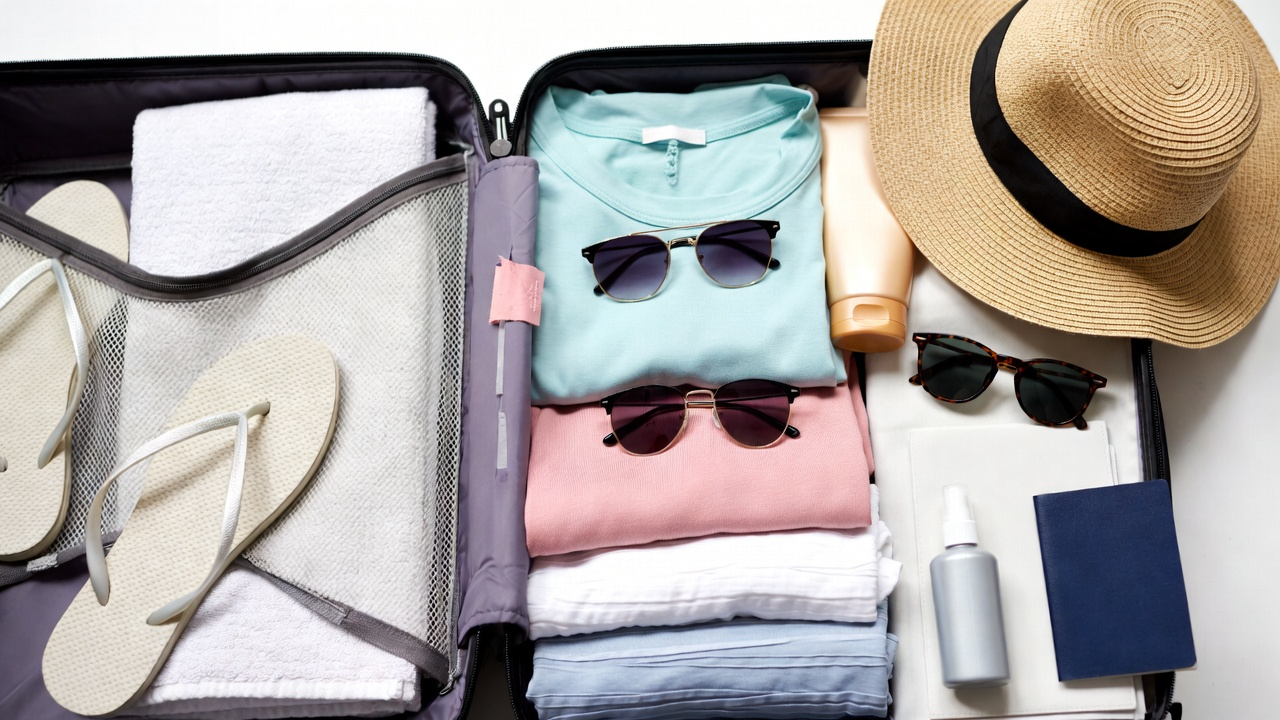
You'll spend the majority of your all-inclusive vacation in swimwear, so this category deserves the most attention. Having enough swimsuits to rotate means you're never pulling on a clammy suit from yesterday - a small detail that makes a big difference in tropical humidity across Mexico's Caribbean coast and most Caribbean islands.
Swimwear: Bring at least 3-4 swimsuits per person for a week-long trip. In humid tropical climates, swimsuits take much longer to dry than you'd expect, especially if your room doesn't get direct sunlight on the balcony. Having a rotation means you always have a dry option. For women, include a mix of bikinis and one-pieces if you plan to do water sports - a secure one-piece or rash guard is essential for jet skiing, paddleboarding, or any activity where a bikini top might not cooperate.
Coverups and sarongs: You'll need something to throw on over your swimsuit for walking between the beach and restaurants. Most all-inclusive resorts won't allow swimwear in indoor dining areas, even at the buffet for lunch. Pack 2-3 lightweight coverups or sarongs. A cotton or linen beach shirt works for men - it doubles as sun protection.
Reef-safe sunscreen (SPF 50+): This is your single most important packing item. Tropical sun is dramatically stronger than what you're accustomed to at home, and sunburn on day one can genuinely ruin your vacation. Bring at least two full-size bottles of reef-safe, broad-spectrum SPF 50+ for a couple's week-long trip. Many Caribbean islands and Mexican destinations restrict or ban non-reef-safe sunscreens containing oxybenzone and octinoxate - some resorts may refuse non-compliant products at the beach or gift shop. Rules are destination- and property-specific. Apply 30 minutes before sun exposure and reapply every 2 hours (or immediately after swimming).
Sunglasses and a wide-brimmed hat: A quality pair of polarized sunglasses reduces glare off the water and sand, preventing headaches and eye strain. A wide-brimmed hat (straw hat, bucket hat, or baseball cap at minimum) is essential for extended beach time. If you're prone to hat-hair anxiety, pack a foldable sun hat that won't take up suitcase space.
Beach/pool bag: A large, lightweight tote for sunscreen, a book, sunglasses, your room key, and a phone. Mesh or quick-dry material is best - canvas bags absorb water from wet swimsuits and towels. Don't bring anything expensive; your beach bag will get sandy and wet daily. For the exact day-one loadout (tip cash, waterproof pouch, water bottle), use the Beach Bag Day-One Checklist section below.
Pro Tip
Apply sunscreen before you get dressed in the morning, not at the pool. This ensures complete coverage (no missed spots at swimsuit edges) and gives the sunscreen time to absorb before you start sweating.
Mexico vs Caribbean Climate Packing
North American planners often pack one "tropical" suitcase for every warm destination. Climate still differs enough between Mexico's Caribbean coast, Los Cabos, and Caribbean islands that a few swaps prevent both suitcase bloat and day-one regret. Use this as a climate overlay on the core list above, then re-check your travel week's forecast.
Riviera Maya / Cancun / Costa Mujeres (Caribbean Mexico): Expect high humidity, strong UV, warm evenings, and sudden brief showers in summer and early fall. Prioritize quick-dry fabrics, an extra swimsuit in rotation, a packable rain shell or poncho for June through November shoulder/hurricane-season travel, and serious insect repellent for dusk walks through garden paths. Water shoes help on rocky entries and for cenote or reef excursions common off the Riviera Maya. Reef-aware sunscreen matters here; confirm current local rules for your municipality.
Los Cabos / Pacific Baja: Drier air, stronger desert sun, and cooler evenings than Cancun in winter. Swap one humidity-focused item for a slightly warmer evening layer (light fleece or long-sleeve linen). Sea conditions and beach swimability vary by Cabo corridor - pack water shoes if your resort's entry is rocky, and do not assume every Cabo beach matches Caribbean soft-sand packing. Summer heat is intense; UV-rated rash guards earn their suitcase space.
Caribbean islands (Jamaica, Dominican Republic, Barbados, Aruba, and beyond): Humidity and UV patterns resemble Caribbean Mexico, with island-to-island wind and rainfall differences. Aruba and parts of the southern Caribbean are often drier; Jamaica and much of the Eastern Caribbean sit inside Atlantic hurricane-season timing (roughly June through November). For value-season trips, pack the rain shell and do not skip insect repellent. For brand-heavy Jamaica itineraries at Sandals or Couples, still pack resort-elegant dinner clothes; no-tip policies change cash, not dress codes (see the tipping guide).
Season overlay for NA flight patterns: Peak winter (roughly mid-December through mid-April) is usually the driest packing profile - emphasize sun protection and dinner layers for AC. Shoulder and summer add humidity, afternoon storms, and higher mosquito pressure. If you are still picking dates for weather versus price, use best time to book for Riviera Maya vs Cabo vs Jamaica timing, not this packing list alone.
Shared tropical musts regardless of island: SPF 50+ reef-aware sunscreen, polarized sunglasses, wide-brim hat, electrolyte packets, after-sun care, and a dry bag. These beat destination-specific fashion experiments.
Pro Tip
Pack the rain shell and one extra quick-dry top whenever your dates touch June through November on the Atlantic or Caribbean side. Leave the heavy winter coat at home; layer a light jacket for planes and restaurant AC instead.
| Climate factor | Riviera Maya / Cancun | Los Cabos | Caribbean islands (general) |
|---|---|---|---|
| Humidity | High most of year | Lower; desert-coast feel | High on most islands; Aruba often drier |
| Evening layer | Light cardigan for AC | Slightly warmer layer in winter | Light cardigan for AC + breezes |
| Rain prep (Jun-Nov) | Packable shell recommended | Pacific storm timing differs; check forecast | Shell recommended in hurricane belt |
| Footwear bias | Water shoes for rocky/cenote days | Water shoes if rocky entry | Water shoes for reefy entries |
| Bug pressure | Dusk repellent essential | Still pack repellent | Dusk repellent essential |
Dinner and Evening Wear: Specialty Dress Codes
This is where most first-time all-inclusive travelers either overpack (bringing formal wear they'll never need) or underpack (showing up to the steakhouse in board shorts and being turned away). Most a la carte restaurants at all-inclusive resorts enforce a "resort elegant" or "smart casual" dress code for dinner - understanding exactly what this means will save you suitcase space and embarrassment. For day-one reservation timing alongside dress codes, use the all-inclusive dining playbook.
Three packing layers (match the dining playbook):
1. Casual (buffet, pool grill, beach snack bar): Dry cover-ups over swimwear, neat shorts, sandals. Many properties ban wet swimwear indoors even when the printed code looks casual. Pack coverups you will actually wear between beach and lunch.
2. Resort elegant / smart casual (most specialty dinners): Men: long pants (chinos, linen trousers, or lightweight dress pants) and a collared shirt (polo or button-down). Closed-toe shoes or polished sandals are safer than flip-flops when a hostess is enforcing the code. Women: sundress, maxi dress, blouse with pants or skirt, or a romper/jumpsuit; flat sandals or wedges beat stilettos on cobblestones and sand-adjacent paths. Pack 2-3 dinner-ready outfits for a week (3-4 if you hate repeating looks). A light cardigan matters - specialty rooms are often aggressively air-conditioned.
3. Stricter signature rooms: Some flagship steakhouses, Italian rooms, and upscale specialty venues enforce long pants and sleeved collared shirts more firmly. A verified Resort Flock dining-inventory example: Hotel Riu Yucatan lists formal dinner dress for venues such as Sicilia and La Margarita (long trousers and collared shirts with sleeves for men). Do not assume every RIU property uses the same wording - read the venue card for your resort. Premium adults-only brands such as Sandals, Excellence Resorts, and Secrets Resorts are frequently described by guests as stricter than mid-tier family campuses; treat that as a packing bias toward collared shirts and long pants, then confirm on your property's dining or pre-arrival page.
For buffet and casual dining: Neat shorts, t-shirts, and sandals are generally fine for breakfast and lunch. Some resorts still require coverups (no bare swimsuits) at the buffet - pack accordingly.
Don't forget: One light jacket, sweater, or pashmina for restaurants and cool evenings. One travel-day outfit that works for the plane and the lobby. Comfortable walking shoes or sneakers for excursions. If you booked a club tier (Preferred Club, Elite Club, Excellence Club), you may spend more time in air-conditioned lounges - the same light layer helps. Club perks themselves are property-specific; see club levels worth it rather than packing for imagined club dress rules.
Pro Tip
Photograph the dress-code note in the resort app or at the hostess stand on night one. Codes can differ by venue inside the same resort. Roll evening clothes around a dry-cleaning bag to limit wrinkles; hang them in a steamy bathroom if they still crease.
| Item | Men (7-Night Trip) | Women (7-Night Trip) |
|---|---|---|
| Swimsuits | 3-4 | 3-4 |
| Coverups/beach shirts | 2-3 | 2-3 |
| Dinner outfits | 3-4 pants + 3-4 shirts | 3-4 dresses or outfits |
| Casual day wear | 3-4 shorts + t-shirts | 3-4 casual outfits |
| Nice shoes (dinner) | 1 pair loafers/boat shoes | 1-2 pairs sandals/wedges |
| Casual shoes | 1 pair flip-flops + 1 sneakers | 1 pair flip-flops + 1 sneakers |
| Light jacket/cardigan | 1 | 1 |
| Workout clothes | 2-3 sets (if you gym) | 2-3 sets (if you gym) |
| Underwear/socks | 7-8 sets | 7-8 sets |
Beach Bag Day-One Checklist
Your suitcase can be perfect and your first beach morning can still fail if the tote is wrong. Build the day-one beach bag the night you arrive - after you confirm towel locations and before the first pool rush.
Always load:
- Reef-aware SPF 50+ (body) plus a small facial sunscreen
- Sunglasses and hat
- Room key / wristband and a photocopy or phone screenshot of your room number
- Waterproof phone pouch with phone + power bank if you will stay out through sunset
- Reusable water bottle (fill at a resort water station if available)
- One dry coverup or beach shirt for buffet or lobby returns
- Small tip envelope with US $1 and $5 bills for bartenders, attendants, and servers (amounts and no-tip brand exceptions in the tipping guide)
- Lip balm with SPF and a mini after-sun or aloe stick
- Ziploc for wet swimsuit or sandy phone pouch on the walk back
Add if your day includes water or excursions: water shoes, rash guard, snorkel mask (if you brought your own), dry bag, motion-sickness tablets, and a microfiber cloth for mask fog.
Leave in the room safe: passport, spare cards, large bills, jewelry, and anything you cannot watch while swimming. Beach bags get left on loungers; pack for theft-of-opportunity reality, not resort marketing calm.
Day-one sequence that saves the week: (1) sunscreen at the room, (2) specialty dinner reservations per the dining playbook, (3) tip envelope into the tote, (4) beach. Guests who reverse that order often miss steakhouse slots and then overpack frustration into every dinner outfit.
Pro Tip
Pre-load a clear toiletry pouch inside the tote with sunscreen, lip balm, and after-sun so you are not digging through sandy clutter every two hours for reapplication.
Activity Gear
Most all-inclusive resorts provide equipment for their included activities - snorkel gear, kayaks, tennis rackets, fitness equipment - so you don't need to pack much sports equipment. However, a few items from home will either outperform the resort-provided alternatives or enable activities that would otherwise be impossible.
Snorkel mask (optional but recommended): Resort-provided snorkel gear is shared among hundreds of guests and may not fit your face well. If you're serious about snorkeling - especially if you plan excursions to reefs or marine parks - bringing your own mask (just the mask, not full snorkel and fins) ensures a proper seal, better visibility, and better hygiene. Full-face snorkel masks are popular for beginners but are banned at some excursion sites for safety reasons; a traditional mask-and-snorkel combo is the safer choice.
Water shoes or reef shoes: Many Caribbean beaches have rocky entries, coral fragments, or sea urchins near the shore. Lightweight water shoes with good grip protect your feet while still allowing you to swim and walk on the beach comfortably. They're also essential for excursions involving river walks, cenote entries, or waterfall hikes. These are the single most forgotten item that would have improved a guest's experience - pack them.
Rash guard or swim shirt: Provides UV protection far superior to sunscreen alone. Especially important for snorkeling, kayaking, and paddleboarding, where your back is exposed to direct overhead sun for extended periods. A rash guard also prevents the painful "sunscreen washed off while snorkeling" burn that catches so many first-timers.
Fitness gear: If you plan to use the resort gym or attend fitness classes, bring your usual workout clothing and shoes. Resort gyms at brands like Hard Rock All-Inclusive and Hyatt Ziva are well-equipped with modern machines, but they don't provide workout attire. Yoga enthusiasts may want to bring their own mat - resort-provided mats for beach yoga sessions are often thin and worn.
Dry bag: A small waterproof dry bag (5-10 liter) is invaluable for boat excursions, kayaking, and beach trips. It keeps your phone, wallet, room key, and any other valuables safe from water and sand. This is one of those items that costs $10-15 and will see heavy use every single day of your trip.
Pro Tip
Don't pack dive or snorkel fins unless you're a serious diver doing independent shore dives. All snorkeling excursions and resort dive programs provide fins, and they take up enormous suitcase space.
Toiletries and Health
All-inclusive resorts provide basic toiletries in your room - shampoo, conditioner, body wash, and sometimes lotion - but the quality varies from generic to surprisingly good depending on the resort tier. Premium properties like Sandals Royal Barbados and Hyatt Zilara Cap Cana offer high-end bath products that you'll actually enjoy using. Budget resorts may provide dispensers of nondescript liquid that you'll want to supplement with your own products.
Bring from home: Your preferred facial sunscreen (separate from your body sunscreen), after-sun lotion or aloe vera gel (sunburn happens even to the most careful), your everyday skincare products, any prescription medications, insect repellent with DEET or picaridin, lip balm with SPF, deodorant (tropical heat demands it), toothbrush and toothpaste (obviously), and any hair products you rely on. If you have specific shampoo/conditioner preferences, bring travel sizes - resort-provided products may not work well with your hair type, especially in salt air and humidity.
First-aid and health essentials: Anti-diarrheal medication (Imodium) - traveler's stomach is common in tropical destinations even at luxury resorts. Antacid tablets (Tums, Pepto-Bismol) for the combination of rich food and tropical drinks. Pain relievers (ibuprofen, acetaminophen). Antihistamine (Benadryl or Claritin) for unexpected allergic reactions to tropical plants, insects, or new foods. Bandaids and antiseptic wipes for minor scrapes from coral or rocks. Motion sickness medication if you plan to take any boat excursions. Hydrocortisone cream for insect bites. A small supply of electrolyte packets (Liquid IV, Pedialyte) - these are miracle workers for rehydration after a day of sun, heat, and drinks.
Prescription medications: Bring more than you need (pack for an extra 3-4 days in case of travel delays), keep them in original pharmacy-labeled containers (important for customs), and split them between your carry-on and checked luggage so a lost bag doesn't leave you without essential medication.
Insect repellent deserves special emphasis. Mosquitoes in tropical destinations can carry dengue, Zika, and chikungunya. Resort grounds are typically sprayed regularly, but mosquitoes are still present, especially at dawn and dusk and in lush garden areas. Bring DEET-based or picaridin-based repellent and apply it every evening before dinner. Wristband or "natural" repellents are largely ineffective in tropical environments.
Pro Tip
Pack a small Ziploc bag of OTC medications and keep it in your carry-on. If your checked luggage is delayed (not uncommon on Caribbean routes), having pain relievers, antacids, and allergy medication accessible means a lost bag doesn't derail your first day.
Electronics and Documents
Packing the right electronics - and protecting them in a tropical environment - can be the difference between a trip documented in vivid photos and one where your phone died on day three because salt air corroded the charging port.
Phone and charger: Your smartphone is your camera, alarm, translator, excursion booking tool, and connection to home. Bring your standard charger plus a high-quality portable power bank (10,000+ mAh). Charging outlets at the pool or beach are rare, and your phone battery drains faster in heat. A power bank lets you go from morning to midnight without worrying about battery life. If your brand uses an app for specialty dining (RIU, Bahia Principe, Sandos, and many Hyatt Inclusive Collection properties appear in the dining playbook), download it before you land.
Waterproof phone case or pouch: A $10-15 universal waterproof phone pouch is arguably the most valuable accessory you can pack. You'll use it at the pool, beach, boat excursions, and water activities. Get one rated IPX8 that allows touchscreen use through the pouch.
Camera (optional): If you're serious about photography, a waterproof action camera (GoPro or similar) is more useful than a DSLR at an all-inclusive resort. If you do bring a nice camera, get a dry bag specifically sized for it.
Power adapter: Check the plug type at your destination. Mexico and most Caribbean islands use the same Type A/B plugs as the US and Canada. Voltage may still differ, and some European-brand resorts in the Dominican Republic or Jamaica have a mix of outlet types. Bring a universal adapter to be safe. A small power strip helps when rooms have few outlets.
Essential documents: Passport (valid for 6+ months beyond return date - confirm your airline and destination entry rule), printed hotel confirmation, travel insurance documents and emergency phone number, airline boarding passes or confirmation, a credit card with no foreign transaction fees (notify your bank of travel dates), driver's license or other secondary ID, and any required entry forms. Pack a small stack of US $1 and $5 bills for tipping unless you are staying at a verified no-tip brand (Sandals/Beaches/Couples language was checked for the tipping guide in September 2026; still confirm for your dates).
Digital preparation: Download offline maps of your destination area. Save your resort's address and phone number. Download your airline app. Photo your passport and insurance card into a secure cloud folder. Enable international roaming or plan a local/eSIM option on arrival.
Pro Tip
Email yourself a single document with booking confirmations, insurance policy numbers, emergency contacts, and embassy information. If you lose phone, wallet, and passport, you can still access it from any internet-connected device.
Items Most People Forget
After analyzing thousands of packing experiences and post-trip surveys, these are the items that all-inclusive travelers most commonly wish they had brought. They're small, lightweight, inexpensive, and can make a disproportionate difference in your comfort and enjoyment.
Reusable water bottle: Having a bottle you can fill from the resort's water stations and carry with you all day is more convenient than constantly flagging down a waiter for bottled water. You'll stay better hydrated (critical in tropical heat), and it's better for the environment. A collapsible bottle takes up almost no space in your luggage.
Clothesline or bungee cord: A portable travel clothesline strung across your balcony is the best way to dry swimsuits and beach towels quickly. In humid climates, wet swimwear left on a chair or doorknob may not dry overnight. A clothesline in direct sunlight or breeze solves this problem completely.
Ziplock bags (various sizes): Endlessly useful. Large bags for wet swimsuits and sandy items going back in your suitcase. Medium bags for protecting electronics from sand and moisture. Small bags for organizing jewelry, medication, and small items. Bring 10-15 bags of various sizes - you'll use every one.
Ear plugs and a sleep mask: Resort rooms can be noisy - neighboring rooms, hallway traffic, early morning pool maintenance, roosters (yes, really, at many Caribbean resorts). A good set of earplugs and a sleep mask ensure you get quality rest regardless of external factors. Especially important if your room faces a pool area or entertainment stage.
Tide pen or stain remover wipes: With limited luggage and multiple dress-code dinners, a red wine stain on your one pair of nice chinos is a real problem. A small Tide pen takes up zero space and can save an outfit.
Insulated tumbler or koozie: Drinks melt in minutes in tropical heat. A small koozie or insulated cup keeps your poolside cocktail cold three times longer. Some resorts provide reusable cups, but they're rarely insulated.
Headlamp or small flashlight: Useful for navigating resort grounds at night (some properties are dimly lit on garden paths), finding things in your room without waking your partner, and essential for any nighttime excursions or early-morning activities.
Card games or a paperback book: Despite all the activities and entertainment, you'll have downtime - waiting for a table, relaxing in a hammock, a midday retreat to your room during peak sun hours. A physical book or a deck of cards doesn't need charging and won't get ruined by water or sand.
Wrinkle-release spray: A small bottle of wrinkle-release spray saves you from the resort's overpriced laundry service and from ironing (which many resort rooms don't have). Spray your dinner clothes, hang them for 10 minutes, and you're wrinkle-free.
Pro Tip
Create a small "resort survival kit" Ziploc with: mini Tide pen, safety pins, small sewing kit, Advil, Tums, rubber bands, and a few extra Ziploc bags. It weighs nothing and solves dozens of small problems.
What NOT to Pack
Overpacking is the most common all-inclusive suitcase failure. Use what's included to see what the resort already covers, then deliberately leave these categories home unless you have a specific reason.
Skip these clothing items: Suits, ties, blazers, cocktail gowns, and multiple pairs of heels - resort elegant is not black-tie. More than two pairs of "nice" shoes. A week of city sightseeing outfits. Heavy denim jackets or winter coats (planes need a light layer; resorts need a cardigan). Formal wear belongs at home unless you are attending a wedding or private event on property.
Skip these beach duplicates: Full-size beach towels (resorts issue pool/beach towels). Bulky pool floats if the resort already provides them or bans outside inflatables. Speakers that annoy neighboring loungers. Valuable jewelry you will not wear to dinner.
Skip these toiletries and "just in case" bottles: Full-size shampoo forests when the resort provides basics (bring only the products your hair or skin truly needs). A pharmacy's worth of every OTC brand - pack a tight kit instead. Non-reef-compliant sunscreen if your destination restricts it.
Skip these activity bulk items: Full scuba kits and snorkel fins for typical resort/excursion use (mask alone is the high-value bring). Tennis rackets and kayak paddles the resort already loans. Dive computers unless you are a certified diver on a dedicated dive week.
Skip these money and policy traps: Large quantities of alcohol in checked bags when your package already includes drinks - outside alcohol rules are brand- and customs-specific. Stacks of local coins for tipping when US small bills work better in most Mexico and Caribbean tipping cultures (see tipping guide). "Maybe" club-lounge outfits beyond a normal resort-elegant rotation.
Do pack the small exceptions: Your prescription meds, preferred reef-aware sunscreen, tip cash (when tipping is allowed), waterproof phone pouch, and one rain shell in wet season. Those five beat an extra suitcase of maybes.
Pro Tip
If an item is free or loanable at the resort and easy to replace for under $20 at a gift shop, leave it out of the checked bag. Suitcase weight is better spent on sunscreen, tip bills, and dinner shirts.


