One of the Biggest Names in All-Inclusive Just Walked Away From an Entire Country — Here's What It Cost
Melia's underlying business is booming, with revenue and RevPAR both climbing. A single decision to leave one market nearly erased its bottom line.
Melia Hotels International, the Spanish group behind brands like Paradisus, ZEL and Sol, reported first-half 2026 results on July 30 that told two very different stories at once. Revenue reached 1.04 billion euros, up 7.1 percent year over year, and RevPAR rose 11.7 percent across the half — 14.2 percent in the second quarter alone. On an operating basis, it was one of the company's strongest first halves in years, with recurring net profit of about 83.4 million euros.
Then came the asterisk. Melia booked a provision of roughly 79.4 million euros tied to its exit from Cuba, where it wound down management of 34 hotels with operations ending on July 24. That one-time charge wiped out most of the company's bottom line, cutting consolidated net profit to around 4.1 million euros; some wire reports framed the result as a small net loss.
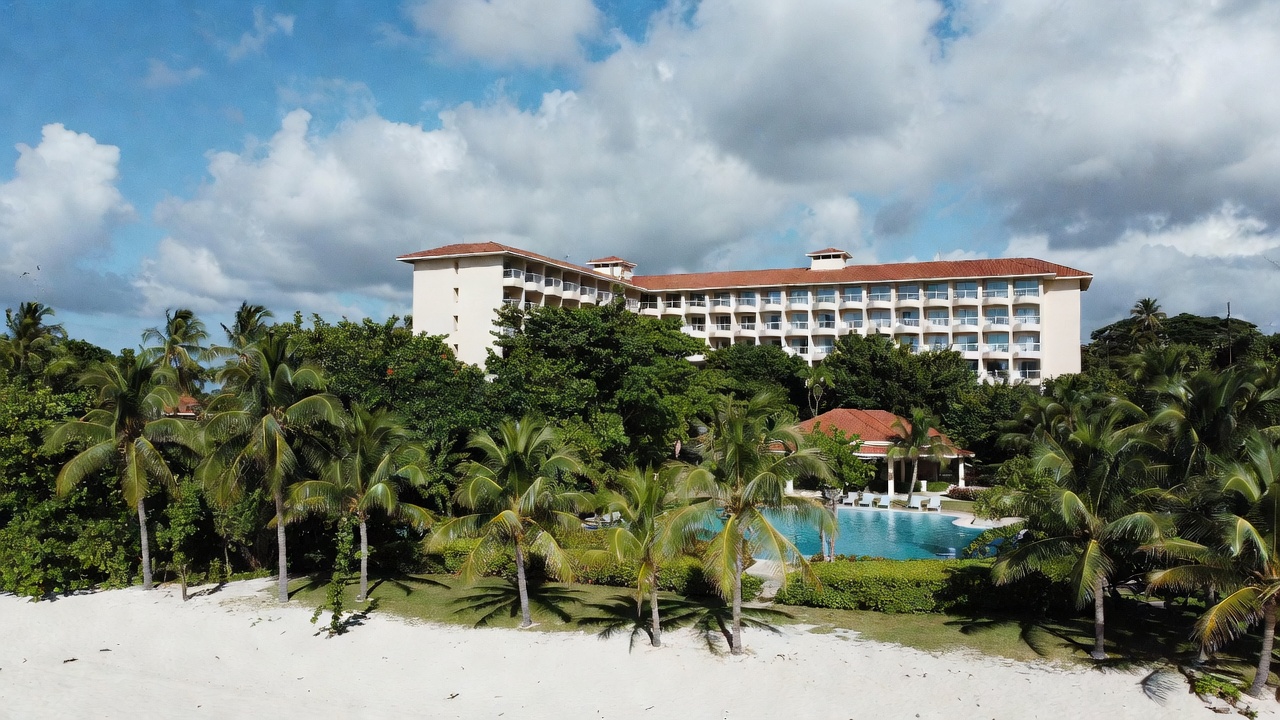
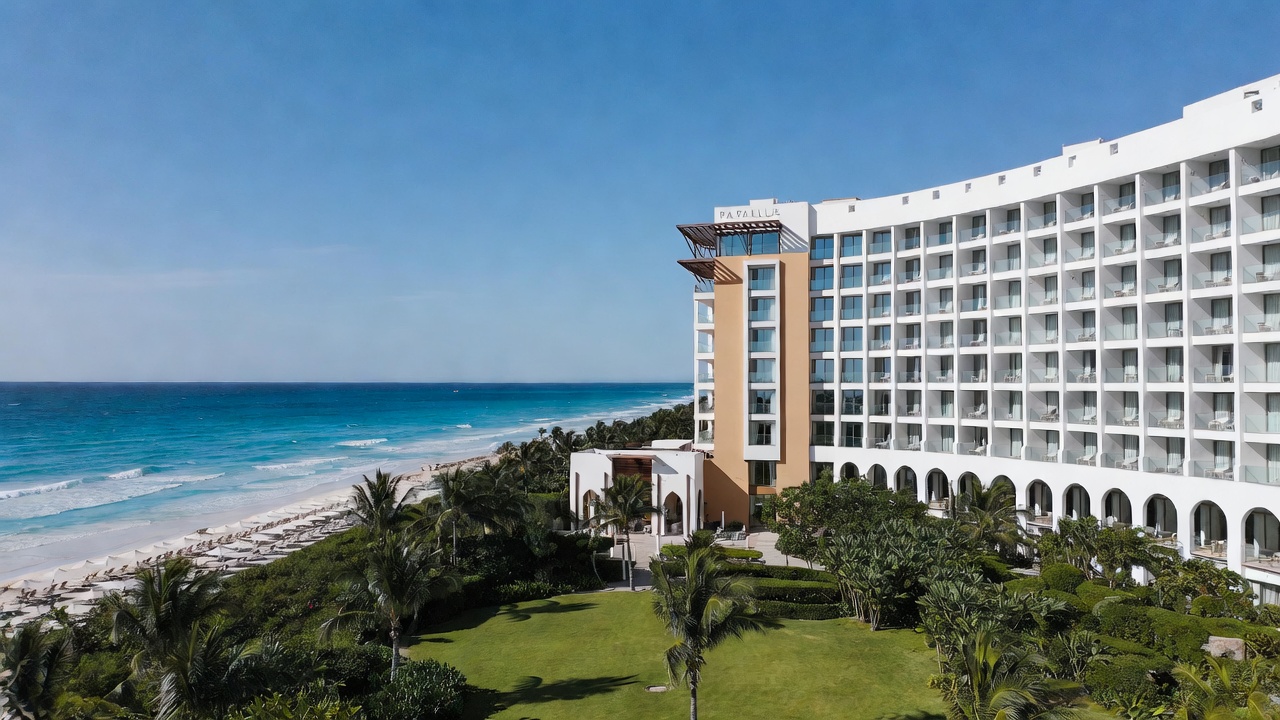
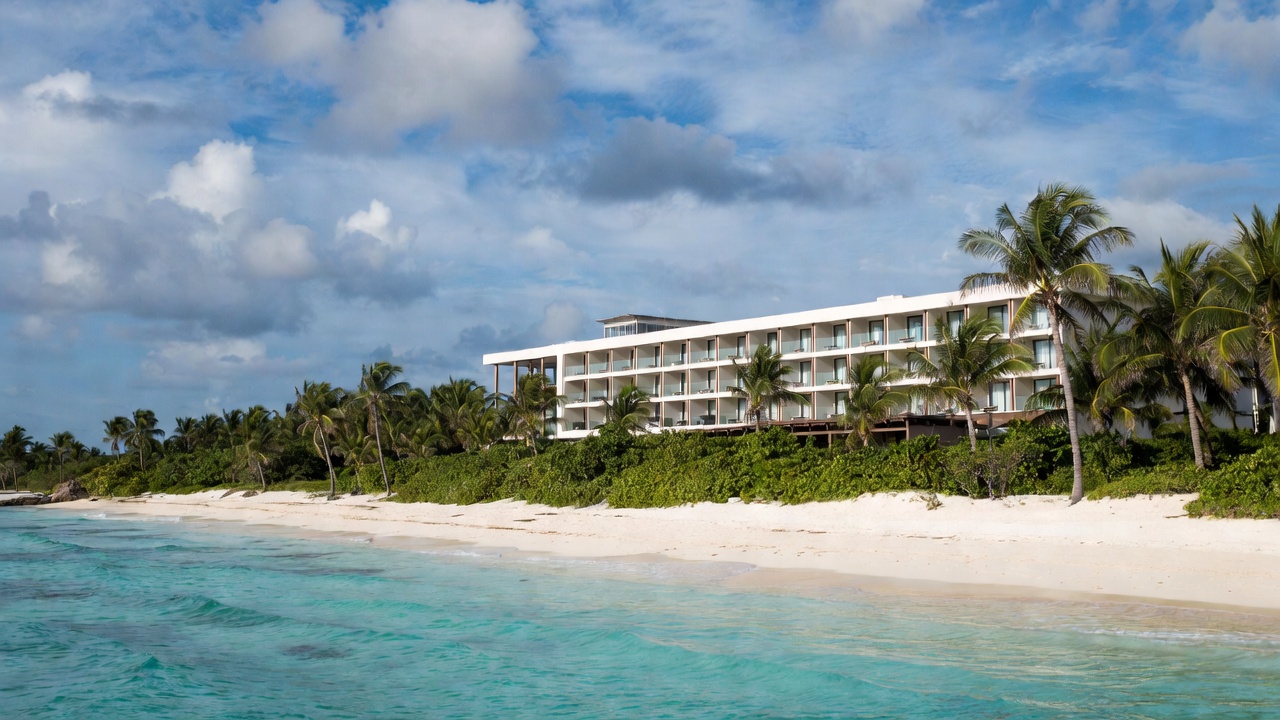
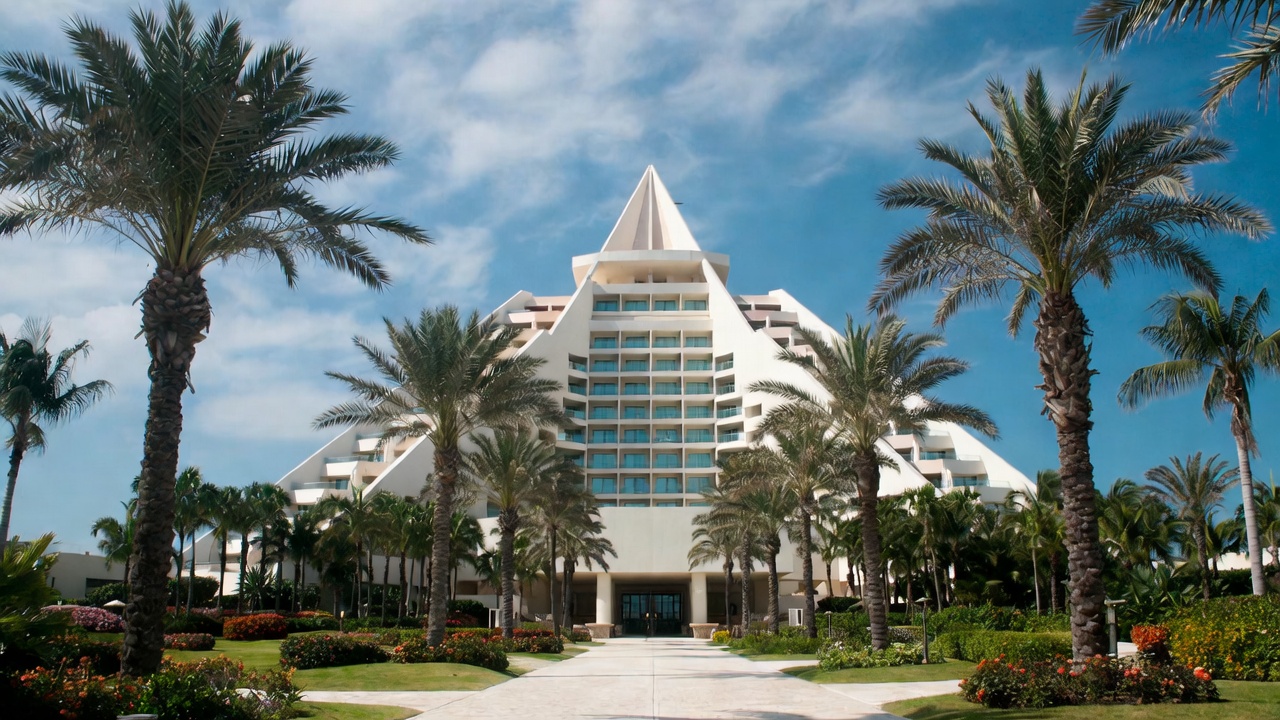
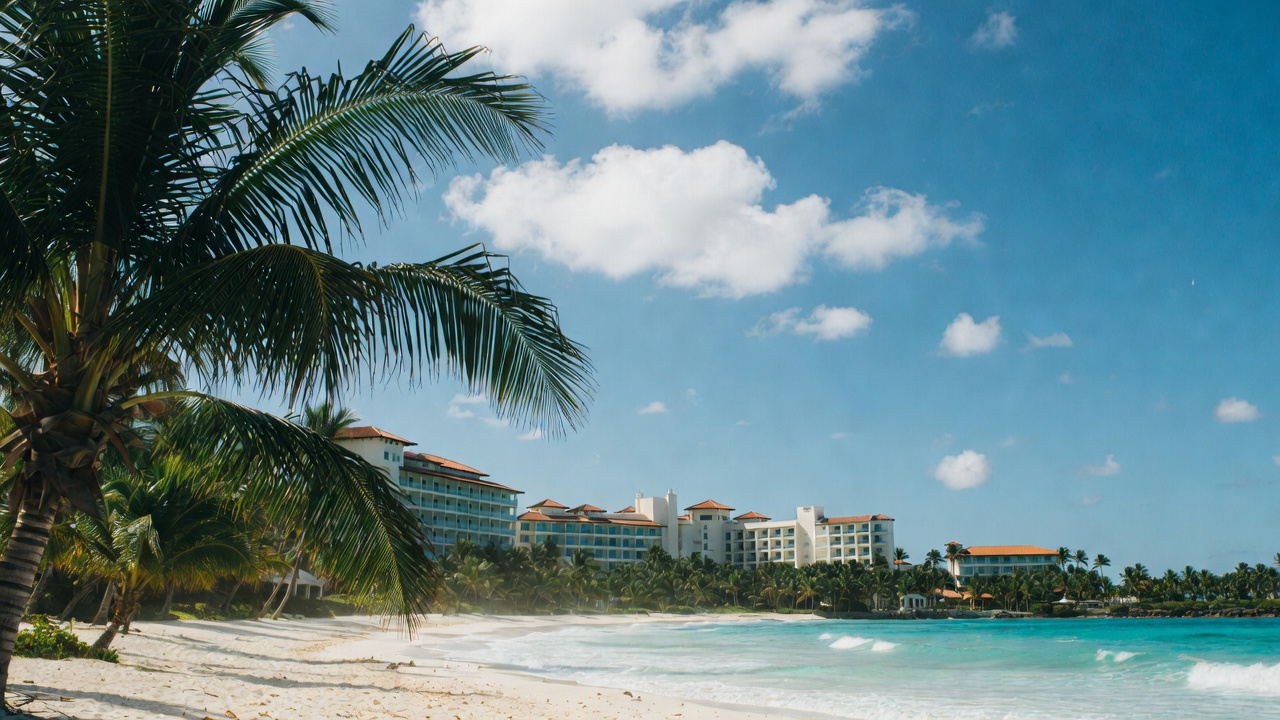
Melia was for decades the dominant international operator in Cuba, so pulling out reshapes its Caribbean map. The company has been redeploying toward markets with clearer runway — leaning into Mexico and the Dominican Republic, where its Paradisus all-inclusive resorts are concentrated, and expanding its lifestyle brand ZEL, co-created with tennis star Rafael Nadal, with a new all-inclusive planned for Cozumel this fall.
For travelers, the takeaway is less about the accounting and more about direction. Melia is trading a shrinking, complicated market for destinations where all-inclusive demand keeps climbing — and the underlying revenue and RevPAR gains suggest the strategy is working, even in a half its headline profit doesn't flatter.