
How to Choose the Right All-Inclusive Resort
Choosing the right all-inclusive resort is the single most consequential decision in your vacation planning. Book the right property and you'll have the trip of a lifetime — effortless, delicious, and perfectly suited to your travel style. Book the wrong one and you'll spend a week wishing you were somewhere else, trapped by the very all-inclusive model that was supposed to eliminate stress.
The challenge is that the all-inclusive market has exploded in recent years. There are now hundreds of resorts across the Caribbean, Mexico, and beyond, spanning a dizzying range of price points, styles, and quality tiers. This guide provides a systematic framework for narrowing the field and choosing the resort that's genuinely right for you — not just the one with the best marketing photos. New to all-inclusive travel? Start with our complete first-time guide for the full picture.
Define Your Priorities Before You Start Searching
Before you look at a single resort website, sit down and honestly rank what matters most to you. This sounds obvious, but most travelers skip this step and end up scrolling through resort after resort in a fog of beautiful photos, unable to distinguish one from another. Defining your priorities creates a filter that instantly eliminates 80% of options and focuses your search.
Who is traveling? This is the most fundamental filter. A romantic couple's trip requires a completely different resort than a multigenerational family reunion or a group of college friends. Adult-only resorts (Secrets Resorts, Excellence Resorts, Hyatt Zilara, Couples Resorts) create an atmosphere of sophistication and romance that family resorts simply cannot replicate. Conversely, family-friendly resorts (Beaches, Club Med, Hyatt Ziva) invest heavily in kids' programming that adult-only resorts don't need. Booking a family resort for a honeymoon or an adult-only resort for a trip with young children is the most common and most regrettable all-inclusive mistake.
What's your ideal day? Close your eyes and picture your perfect vacation day. Is it lounging on a pristine beach with a book and an endless supply of cocktails? Is it kayaking in the morning, scuba diving after lunch, and dancing at a beach party at night? Is it exploring cenotes, ruins, and local markets, returning to the resort only for dinner and sleep? Your answer determines whether you need a resort focused on relaxation (large beaches, quiet pools, spa facilities), activity (water sports, fitness, entertainment), or exploration (good excursion desk, proximity to off-resort attractions, destination with cultural depth).
What's your realistic budget? Be honest about this from the start. The all-inclusive market spans from $150 per person per night to over $1,000 per person per night, and the experience at each price point is fundamentally different. If your budget is $200/person/night, don't spend two weeks dreaming about $500/night resorts before reluctantly settling. Instead, find the best $200/night resort — there are genuinely excellent options at every budget level. Our guide on what's included at all-inclusive resorts helps you understand what different price tiers deliver.
How important is food and drink quality? If dining is central to your travel enjoyment — if bad food actively bothers you rather than being something you tolerate — you need to weight dining quality very heavily in your decision. This often means choosing a pricier resort, because food quality is the most noticeable differentiator between tiers. At premium resorts like Sandals Royal Barbados, dining is a genuine highlight. At budget resorts, it's fuel. Know which camp you're in.
Pro Tip
Write down your top 3 priorities in order (e.g., 1. Beach quality, 2. Food quality, 3. Adult-only atmosphere). When you're comparing two resorts and can't decide, go back to this list — the resort that better serves your #1 priority is the right choice.
Choosing Your Destination
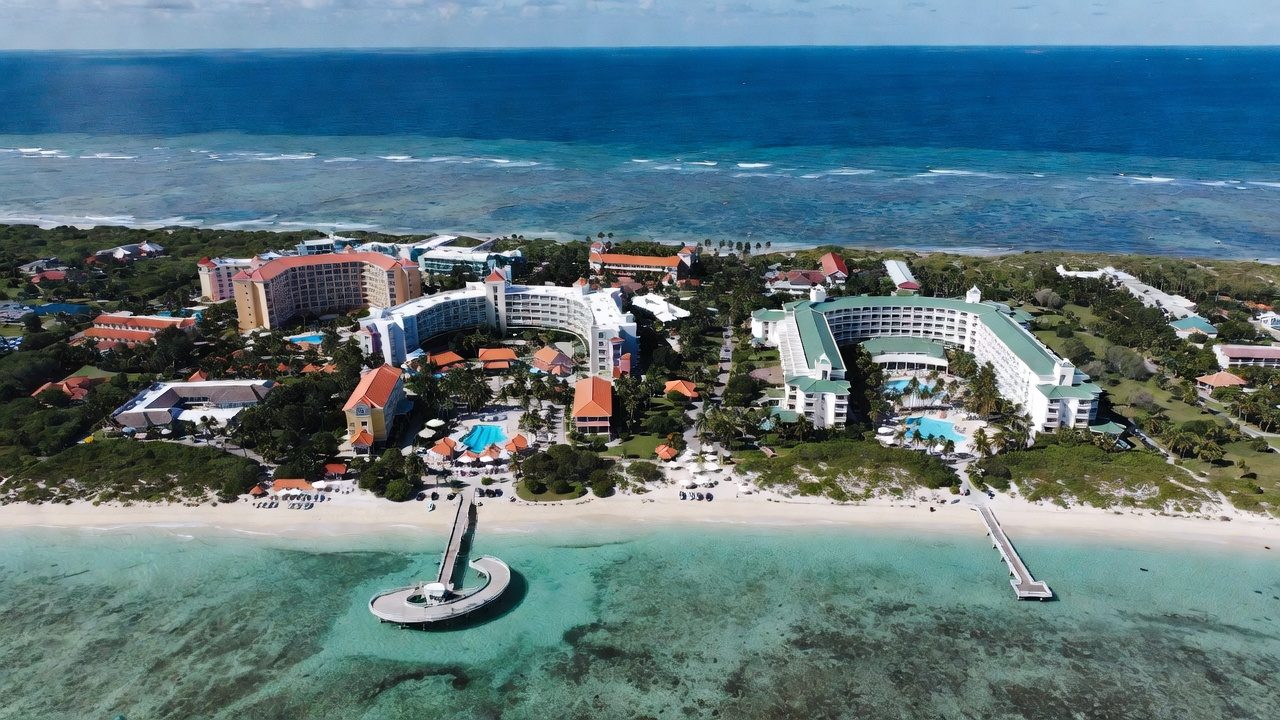
Your destination matters almost as much as your resort. The beach, weather, culture, excursion options, and travel logistics of your chosen destination form the backdrop of your entire vacation. Two equally excellent resorts can deliver very different experiences depending on whether they're in Jamaica or the Dominican Republic.
Mexico (Cancun, Riviera Maya, Puerto Vallarta, Los Cabos): Mexico has the highest concentration of all-inclusive resorts in the world and offers the best value across most price tiers. The Riviera Maya corridor (south of Cancun) is the epicenter, with dozens of resorts on white-sand Caribbean beaches, plus world-class excursions to Mayan ruins, cenotes (natural swimming holes), and eco-parks. Cancun proper offers a more urban, party-oriented atmosphere with a famous hotel zone strip. Puerto Vallarta on the Pacific side has a more authentic Mexican culture feel with great food and nightlife. Los Cabos (Baja California) offers a more dramatic desert-meets-ocean landscape. Flights from the US are typically the cheapest to Mexico, and the variety of resort options is unmatched.
Caribbean islands: Each island has a distinct personality. Jamaica offers vibrant culture, adventure excursions (Dunn's River Falls, Blue Mountains), and the highest concentration of premium all-inclusive brands (Sandals, Couples, Secrets). Dominican Republic (Punta Cana, Cap Cana) has beautiful beaches, competitive pricing, and a growing luxury tier — the Hyatt Ziva Cap Cana and Hyatt Zilara Cap Cana showcase the best of this. Barbados combines stunning beaches with a rich culinary and cultural scene — Sandals Royal Barbados puts you in the middle of it all. Turks and Caicos has the most stunning beaches in the Caribbean but limited all-inclusive options and higher prices. St. Lucia offers dramatic Piton mountain scenery and a romantic atmosphere. Aruba provides near-guaranteed sunshine and a more developed, accessible island experience.
Maldives: The ultimate luxury destination, with overwater bungalows on private islands surrounded by crystal-clear Indian Ocean waters. All-inclusive packages in the Maldives are significantly more expensive ($600-2,000+ per person per night) but deliver an experience that's genuinely incomparable. Best for honeymoons, milestone anniversaries, and bucket-list trips. The long travel time from the Americas (typically 20+ hours) makes this a destination that demands at least a week-long stay to justify the journey.
Practical destination considerations: Flight time and cost (Mexico is closest and cheapest from the US), passport and entry requirements, hurricane season risk (June through November in the Caribbean, though risk varies significantly by month and specific island), language barriers (minimal at resorts but relevant for off-resort exploration), and safety perceptions (research current travel advisories). The "perfect" destination is the one that best aligns with your priorities from the previous section.
Pro Tip
For first-time all-inclusive travelers, the Riviera Maya in Mexico or Punta Cana in the Dominican Republic offer the best combination of value, variety, beach quality, and excursion options. They're also the easiest destinations to find excellent resorts at every price point.
| Destination | Best For | Price Level | Flight Time from East Coast US | Hurricane Risk |
|---|---|---|---|---|
| Cancun/Riviera Maya | Value, variety, excursions | $-$$$ | 2.5-3.5 hours | Moderate (June-Nov) |
| Jamaica | Culture, adventure, premium brands | $$-$$$ | 3-4 hours | Moderate (June-Nov) |
| Dominican Republic | Beach, value, growing luxury | $-$$$ | 3.5-4 hours | Moderate (June-Nov) |
| Barbados | Culture, food, romance | $$$ | 4-5 hours | Low-Moderate |
| St. Lucia | Romance, scenery, honeymoons | $$$ | 4-5 hours | Low-Moderate |
| Turks & Caicos | Ultimate beaches, exclusive | $$$$ | 3-3.5 hours | Moderate |
| Aruba | Guaranteed sunshine, accessibility | $$-$$$ | 4-4.5 hours | Very Low (outside belt) |
| Maldives | Ultimate luxury, overwater villas | $$$$+ | 18-24 hours | Low (different season) |
Understanding Resort Tiers
The all-inclusive market has evolved into a clear tiered structure, and understanding which tier a resort falls into — regardless of its marketing language — is essential for setting appropriate expectations and getting real value for your money.
Budget tier ($100-200/person/night): These resorts deliver the fundamental all-inclusive promise — room, food, drinks, basic activities — at the lowest price point. Rooms are clean but often dated. Buffet dining is the primary option, with 1-2 a la carte restaurants that may have limited hours or availability. Drinks are domestic brands and basic cocktails. Entertainment is modest. Beaches may be shared with other resorts or the public. Staff-to-guest ratios are higher, meaning less personalized attention. These resorts work well for budget-conscious travelers who primarily want a beach, a pool, and stress-free logistics without high expectations for food or luxury.
Mid-range tier ($200-400/person/night): This is where the largest number of all-inclusive resorts operate, and it's also where the widest quality variation exists. The best mid-range resorts from brands like Dreams Resorts, Iberostar (select properties), and RIU Hotels (Riu Palace line) offer excellent value: modern rooms, multiple quality a la carte restaurants, name-brand spirits, robust activity programs, and beautiful facilities. The worst mid-range resorts charge mid-range prices for budget-tier experiences — this is where reading reviews becomes critical. At this tier, the difference between a great resort and a disappointing one often comes down to the specific property, not just the brand.
Premium tier ($400-700/person/night): Premium all-inclusive resorts deliver a fundamentally different experience. Brands like Sandals, Excellence Resorts, Secrets Resorts, Hyatt Ziva, and Hyatt Zilara at this tier provide: spacious, well-appointed rooms with quality furnishings; 6-12+ a la carte restaurants with no reservation limits; top-shelf spirits and curated wine lists; extensive included activities (potentially including motorized water sports and scuba); higher staff-to-guest ratios; and a more refined, less crowded atmosphere. The Hyatt Zilara Cap Cana exemplifies this tier with its adults-only sophistication, expansive suite accommodations, and culinary excellence.
Ultra-luxury tier ($700+/person/night): The top tier includes overwater bungalows, private butler service, champagne on demand, Michelin-caliber dining, and accommodations that rival the world's finest hotels. Maldives resorts dominate this tier, along with select Caribbean properties offering villa-style accommodations. At this level, the all-inclusive package covers virtually everything imaginable, including spa treatments, private excursions, and premium champagne. This tier is for travelers who want an extraordinary, once-in-a-lifetime experience and have the budget to match.
Pro Tip
The biggest jump in quality-per-dollar is from budget to mid-range. If your budget can stretch even slightly, moving from a $150/night budget resort to a $250/night mid-range property will produce a dramatically more enjoyable vacation. The jump from mid-range to premium is real but less transformative per dollar spent.

Evaluating Resort Brands
Brand loyalty matters more in the all-inclusive world than in standard hotels because all-inclusive brands control your entire experience — food, drinks, activities, entertainment, and service philosophy — not just your room. Understanding what each brand stands for helps you choose a resort whose philosophy matches your vacation style.
Sandals is the most recognized all-inclusive brand in the world and remains the standard-bearer for adult-only, couples-focused all-inclusive travel. Sandals properties include virtually everything — top-shelf drinks, unlimited restaurants, motorized water sports, scuba diving, tips — with minimal extras to buy. The brand excels at romantic touches and consistent quality across properties. Potential drawbacks: strictly couples-only (no solo travelers or friend groups), some properties are aging, and the brand's marketing can feel aggressive. Best for: romantic couples who want maximum inclusion and zero surprise costs.
Hyatt Ziva and Hyatt Zilara represent Hyatt's all-inclusive portfolio — Ziva for families, Zilara for adults only. The Hyatt connection means World of Hyatt loyalty points/status apply, making these resorts particularly attractive for Hyatt loyalists. Properties like Hyatt Ziva Cap Cana and Hyatt Zilara Cap Cana showcase modern design, excellent dining, and premium service. Best for: Hyatt loyalists, families (Ziva) or couples (Zilara) who want a polished, upscale experience with loyalty program benefits.
Secrets Resorts offers adult-only luxury with an emphasis on sophisticated relaxation. Properties are typically large, modern, and feature excellent spa facilities including complimentary hydrotherapy circuits. The "Unlimited-Luxury" concept includes 24-hour room service and no wristbands (a small but meaningful detail that enhances the luxury feel). Best for: adult couples and friend groups who want upscale amenities, a polished atmosphere, and excellent spa facilities.
Excellence Resorts operates a small portfolio of adults-only properties that consistently rank among the top-rated all-inclusive resorts in the world. The brand emphasizes personalized service, premium dining, and elegant facilities. Properties are typically smaller than competitors, creating an intimate atmosphere. Best for: discerning couples who prioritize food quality, personalized service, and an intimate resort atmosphere over sheer size and activity variety.
Club Med is unique in the all-inclusive landscape. The French-based brand emphasizes active sports, cultural experiences, and a social community atmosphere. Kids' programs are exceptional, and the brand offers unique activities like trapeze, sailing school, and archery. Club Med resorts feel more like active vacation communities than traditional luxury resorts. Best for: active families, sporty couples, and travelers who want a social, community-oriented vacation experience.
RIU Hotels, Iberostar, and Dreams Resorts occupy the high-quality mid-range space. Each brand has a wide portfolio with quality variation between properties. RIU's "Palace" line and Iberostar's higher-tier properties can rival premium brands. Dreams offers solid quality with a focus on family-friendly environments and their Preferred Club upgrade tier. Best for: value-conscious travelers who want a quality experience without premium pricing. Research the specific property carefully rather than relying solely on the brand name.
Hard Rock All-Inclusive brings a music-themed lifestyle brand to the all-inclusive format. Properties feature rock memorabilia, music-themed amenities (in-room Fender guitar, amplifier), and a younger, more energetic vibe. The brand invests heavily in entertainment and nightlife. Best for: music lovers, younger travelers, and anyone who wants a lively, high-energy resort atmosphere.
Palace Resorts operates luxury all-inclusive properties in Mexico with an emphasis on opulent design, extensive facilities, and a wide range of dining and entertainment options. Their "Le Blanc" sub-brand is ultra-luxury adults-only. Best for: travelers seeking luxury in Mexico with a preference for large, amenity-rich resorts.
Pro Tip
Don't just compare brands — compare specific properties within a brand. Most all-inclusive brands have a wide quality range between their best and worst properties. A top-rated Dreams resort can outperform a lower-rated Secrets property, despite Secrets being the 'higher' brand. Always check property-specific reviews.
Room Category Guide: What to Book
Room category selection at all-inclusive resorts is more consequential than at standard hotels because it can affect not just your room but your entire resort experience — including access to exclusive restaurants, lounges, pools, and service levels that lower categories don't receive.
Standard rooms (garden view, partial ocean view): The base room category at most resorts. These rooms are typically comfortable but smaller, located farther from the beach, and may have views of gardens, parking lots, or other buildings. At resorts with 1,000+ rooms, standard category may mean a long walk to the main pool and restaurants. The price gap between standard and the next tier up is often only $30-60/night — a modest investment that can significantly improve your experience. Our recommendation: avoid the absolute cheapest room category unless you're on a tight budget and genuinely don't care about your room.
Preferred/premium rooms (ocean view, higher floor): The sweet spot for most travelers. These rooms offer meaningfully better views, more convenient locations within the resort, and sometimes slightly larger floor plans. The price premium over standard is usually 15-25%, and the daily enjoyment gain is disproportionately large. Waking up to an ocean view versus a garden view sets a fundamentally different tone for your day.
Club-level or Preferred Club rooms: Many all-inclusive brands offer an upgraded "club" experience within their resorts — Dreams Resorts calls it "Preferred Club," RIU Hotels has "Riu Palace" and "Riu Class" tiers, and Secrets Resorts offers "Preferred Club" with enhanced amenities. Club-level typically includes: a private lounge with premium drinks and snacks, exclusive pool or beach area, higher thread-count linens, premium minibar, upgraded bathroom amenities, pillow menu, early check-in/late checkout, and sometimes access to an additional restaurant. This upgrade typically costs 25-40% more than standard and often represents the best value upgrade available — you're essentially buying a resort-within-a-resort experience.
Suites (junior suite, one-bedroom suite, master suite): Suites provide significantly more space — a separate living area, larger balcony, upgraded bathroom with a soaking tub, and premium furnishings. At properties like Sandals Royal Barbados, top suite categories include butler service, which transforms the entire resort experience. For families, a one-bedroom suite with a pullout sofa or connecting rooms is often the most comfortable option. For couples on special occasions, a suite upgrade creates memorable luxury.
Specialty accommodations (overwater bungalows, swim-up suites, rooftop terraces): These are the "wow factor" room categories — and they often represent the best return on experience-per-dollar at a resort. Swim-up suites (available at Hyatt Ziva, Secrets, and others) let you step off your patio directly into a pool. Overwater bungalows (available at Sandals in Jamaica and St. Lucia) place you above turquoise water with glass floor panels. Rooftop suites with private plunge pools combine panoramic views with personal luxury. These categories sell out months in advance for good reason — they deliver a unique experience you simply cannot get in a standard room.
Pro Tip
When booking, call the resort directly and ask which specific building and floor your room category is assigned to. Then check satellite imagery and TripAdvisor photos to verify the location and view. A 'garden view' in Building A might face a lovely courtyard, while the same category in Building F might face the service road.
Reading Reviews Effectively
Online reviews are the most powerful tool in your all-inclusive decision-making arsenal, but they're also the most easily misinterpreted. Learning to read reviews critically — filtering signal from noise — can prevent you from choosing the wrong resort based on unrepresentative opinions.
Use multiple review platforms. TripAdvisor is the most comprehensive source for all-inclusive resort reviews, but it skews toward older travelers and may overrepresent certain demographics. Google Reviews provides a broader sample but with less detail. Instagram and YouTube show you visual reality (both official and user-generated). Specialized all-inclusive forums and Facebook groups offer the most detailed, knowledgeable reviews from experienced all-inclusive travelers. Cross-referencing multiple sources gives you the most accurate picture.
Read the 3-star and 4-star reviews first. Five-star reviews are often written in the immediate afterglow of vacation euphoria and may lack critical objectivity. One-star reviews are frequently written by people who had a specific bad experience that may not be representative of the typical guest experience (a room issue, a single bad meal, bad weather). Three and four-star reviews tend to come from thoughtful travelers who enjoyed their stay but have useful, balanced observations about both strengths and weaknesses. These reviews tell you the most about what to actually expect.
Look for patterns, not individual complaints. Every resort has a few reviews mentioning slow service, a disappointing meal, or a noisy room. These isolated incidents are part of any hospitality experience. What matters is whether these complaints appear repeatedly and consistently across dozens of reviews. If 30% of reviews mention weak drinks, that's a genuine issue. If one person in 200 mentions it, it's an outlier. Focus on themes that appear across many reviewers and many time periods.
Check the date and context of reviews. Resorts change — management changes, renovations, staffing shifts, and seasonal variations all affect the guest experience. Prioritize reviews from the past 6-12 months over older ones. Also note the reviewer's context: a family of five with toddlers will have a very different experience than a couple on their anniversary. Look for reviewers whose travel style, party composition, and expectations match your own.
Pay attention to photos more than words. Guest-uploaded photos are the single most reliable element of reviews. They show you actual room conditions, real food presentations, genuine beach and pool scenes, and authentic resort conditions that marketing photos are designed to obscure. A resort with hundreds of guest photos showing beautiful food, clean rooms, and happy scenes is telling you more than a thousand words of review text.
Red flags to watch for: Consistent complaints about food quality or variety (the #1 predictor of dissatisfaction), mentions of outdated or poorly maintained rooms, reports of aggressive upselling or hidden charges, complaints about overcrowding at pools and restaurants, mentions of construction or renovation during stays, and any safety concerns. A single mention of any of these might be an anomaly; repeated mentions across multiple reviewers signal a genuine issue you should take seriously.
Pro Tip
On TripAdvisor, use the 'Search reviews' feature to search for specific terms that matter to you — 'food quality,' 'adults only,' 'swim up,' 'quiet pool,' 'anniversary,' etc. This surfaces the most relevant reviews far more efficiently than reading chronologically.


