
All-Inclusive Resort Budget Guide: What to Expect to Pay
Planning an all-inclusive resort vacation starts with one fundamental question: what's it actually going to cost? The all-inclusive model promises simplicity — one price covers your room, meals, drinks, and activities — but the reality is more nuanced than the marketing suggests. Rates vary dramatically based on destination, brand tier, time of year, and the specific inclusions bundled into your package.
Whether you're budgeting for a romantic getaway at an adults-only property like Hyatt Zilara Cap Cana, a family adventure at Hyatt Ziva Cap Cana, or a luxury honeymoon at Sandals Royal Barbados, this guide will give you a clear picture of what to expect to pay at every price point. We'll break down costs by destination, compare budget to luxury tiers, flag the hidden expenses that can blow your budget, and help you determine whether an all-inclusive vacation truly delivers value for your travel dollar.
Average Costs by Destination
All-inclusive pricing varies significantly by destination, driven by factors like local labor costs, import expenses for food and beverages, airlift capacity, and the competitive landscape in each market. Understanding these regional differences is essential for setting realistic budget expectations.
The Caribbean is the world's all-inclusive capital, and within it, costs range widely by island. The Dominican Republic and Jamaica offer the most competitive pricing, thanks to a huge supply of resorts across all tiers. Budget travelers can find decent options in Punta Cana starting around $150-200 per person per night, while mid-range properties from brands like RIU Hotels, Bahia Principe, and Iberostar run $200-350 per person per night. Luxury properties — think Excellence Resorts or Secrets Resorts — typically fall in the $350-600+ range.
Mexico's Riviera Maya and Cancun corridors offer a similarly wide range. Budget all-inclusives start around $125-175 per person per night, mid-range options run $200-400, and luxury properties can exceed $500 per person per night. Los Cabos, being a more premium market, generally commands higher rates — expect to add 20-30% to those figures. Mexico benefits from strong airlift from US cities, which means flight costs are often lower than flying to Caribbean islands, improving the overall value equation.
The Maldives operates in a different pricing universe entirely. Even budget-tier all-inclusive resorts in the Maldives typically start at $400-600 per person per night, while luxury properties easily exceed $1,000-2,500+ per person per night. Add in the cost of seaplane or speedboat transfers (often $300-600 per person round trip) and international flights, and a Maldives all-inclusive vacation requires a substantially higher budget. That said, the all-inclusive model often represents better relative value in the Maldives than elsewhere, since a la carte dining and drinking at remote island resorts carries eye-watering markups.
Pro Tip
When comparing prices across destinations, always factor in flight costs. A resort in Punta Cana that costs $50 more per night than one in Cancun might still be cheaper overall if your flights are $200 less per person.
| Destination | Budget (per person/night) | Mid-Range (per person/night) | Luxury (per person/night) | Flight Cost (from US East Coast) |
|---|---|---|---|---|
| Dominican Republic | $150-200 | $200-350 | $350-600 | $250-450 round trip |
| Jamaica | $175-225 | $250-400 | $400-700 | $300-500 round trip |
| Mexico (Riviera Maya) | $125-175 | $200-400 | $400-650 | $200-400 round trip |
| Mexico (Los Cabos) | $200-275 | $300-500 | $500-800 | $300-550 round trip |
| Barbados | $200-275 | $300-450 | $450-750 | $350-600 round trip |
| Maldives | $400-600 | $600-1,200 | $1,200-2,500+ | $800-1,500 round trip |
| Turks & Caicos | $300-400 | $400-650 | $650-1,000+ | $350-600 round trip |
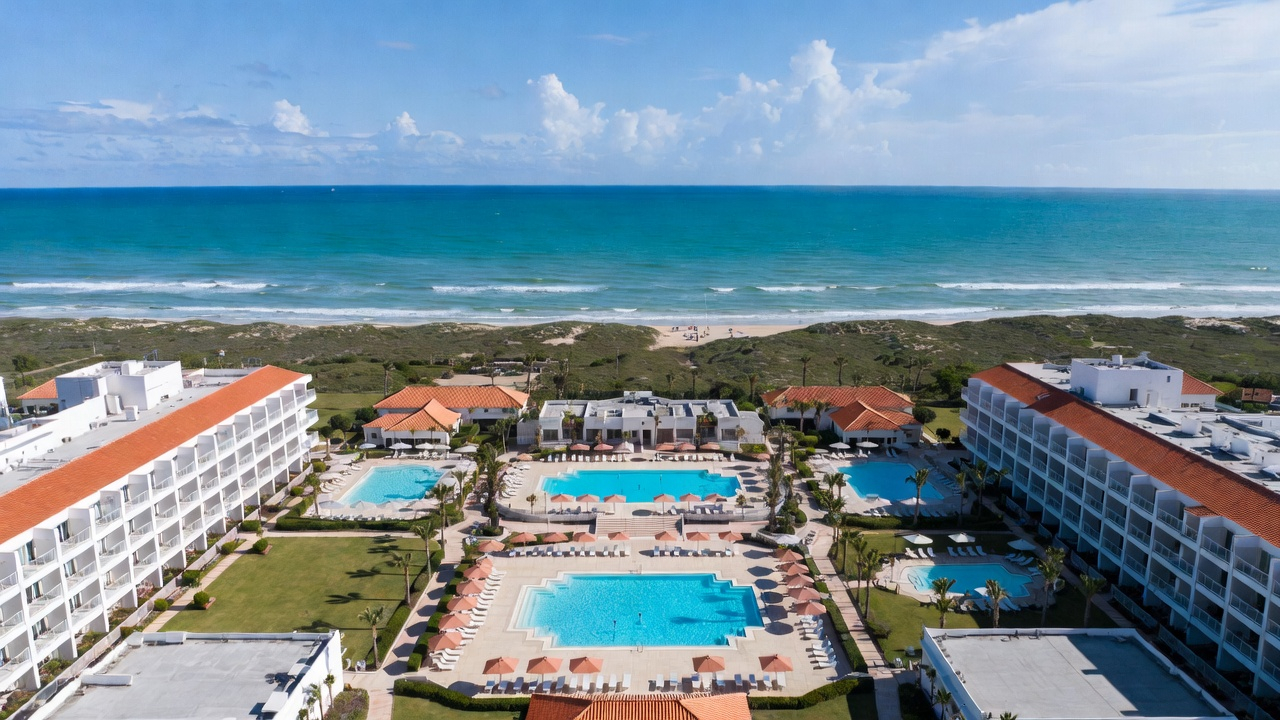
Budget vs. Mid-Range vs. Luxury: What You Get at Each Tier
The all-inclusive market spans an enormous quality range, and understanding what each tier delivers helps you set appropriate expectations and choose the right level for your vacation goals. The difference between a $150/night budget all-inclusive and a $600/night luxury property isn't just about thread count and lobster — it's about fundamentally different experiences.
Budget Tier ($125-225 per person/night): Budget all-inclusives deliver the basics: a clean room, buffet-style meals with one or two sit-down restaurant options, well drinks and domestic beer, a pool, and a beach (at coastal properties). Rooms are typically functional but simple — think 250-350 square feet with standard furnishings. Food quality is adequate but not memorable; expect buffets heavy on starches with international options of varying authenticity. Entertainment tends toward pool games, nightly shows, and basic water sports. Brands operating in this space include the lower tiers of RIU Hotels (their ClubHotel line) and Barcelo (their Allegro properties).
Mid-Range Tier ($225-450 per person/night): This is the sweet spot for most travelers. Mid-range all-inclusives offer substantially better food (3-6 specialty restaurants plus an upgraded buffet), premium liquor options, larger and more stylishly appointed rooms (350-500 square feet), and a broader range of activities. Service is more attentive, and the overall atmosphere is more polished. Dreams Resorts, Bahia Principe (their Grand and Luxury lines), and Hyatt Ziva properties like Hyatt Ziva Cap Cana exemplify this category. You'll find meaningful differences in food quality, room comfort, and the overall guest experience compared to budget options.
Luxury Tier ($450+ per person/night): Luxury all-inclusives aim to rival the best standalone hotels and restaurants in the world. Expect spacious suites (500-1,500+ square feet), gourmet dining across 8-12+ restaurants, top-shelf spirits and curated wine lists, butler service, premium amenities like hydrotherapy circuits and overwater bungalows, and an overall level of sophistication that transcends the "resort" feel. Sandals, Excellence Resorts, Secrets Resorts, and Couples Resorts operate primarily in this space. Sandals Royal Barbados and Hyatt Zilara Cap Cana are excellent examples of what the luxury tier delivers.
The leap in quality from budget to mid-range is arguably the most significant — it's a transformative difference in dining, service, and room quality. The leap from mid-range to luxury is more incremental but still meaningful, particularly in the dining experience and the level of personalized service. For most travelers, mid-range represents the best value per dollar spent.

Cost Per Person Breakdown: Where Your Money Actually Goes
Understanding how all-inclusive resorts allocate your nightly rate gives you useful context for evaluating whether you're getting good value. While resorts don't publish internal cost breakdowns, industry data and analyst reports give us a reasonable picture of how the economics work.
For a mid-range all-inclusive charging $350 per person per night, the approximate breakdown looks something like this: accommodation costs (room, facilities, and maintenance) account for roughly 35-40% of the rate, or about $120-140. Food and beverage — the heart of the all-inclusive value proposition — represents another 30-35%, or $105-125 per person per day. This covers breakfast, lunch, dinner, snacks, and all beverages including alcohol. Entertainment, activities, and staffing for guest-facing programming accounts for about 10-15%, or $35-50. The remaining 15-20% covers overhead, marketing, management fees, and profit.
What this means practically is that if you would spend more than $105-125 per person per day on food and drinks at a comparable non-all-inclusive hotel in the same destination, the all-inclusive model is delivering tangible savings on the F&B side alone. For most travelers — especially those who enjoy cocktails, wine with dinner, and multiple restaurant meals per day — this threshold is easily exceeded. See our All-Inclusive vs. Regular Hotel comparison for a more detailed analysis.
At the luxury tier, the math shifts. A $600 per person per night luxury all-inclusive might allocate $200-240 to accommodations and $180-210 to food and beverage. The quality of ingredients, chef talent, and beverage program at this level is dramatically higher, which is reflected in the cost. Top-shelf spirits, aged wines, premium ingredients flown in from around the world — these drive real cost at the resort level, and you'd pay even more for equivalent quality at standalone restaurants.
For families, the per-person math becomes even more favorable. Kids' rates at family-friendly brands like Hyatt Ziva, Beaches, and Dreams Resorts are typically 50-70% of adult rates, and children under certain ages sometimes stay free. A family of four at a mid-range all-inclusive might pay $900-1,200 per night total — which includes three full meals, unlimited drinks, kids' club programming, and nightly entertainment for the entire family. Replicating that outside an all-inclusive context would be extremely expensive.

Saving on Flights and Transfers
Your all-inclusive resort rate is only part of the equation — flights and transfers can represent 20-40% of your total vacation cost, especially for shorter trips. Optimizing these expenses can free up budget for a better resort or a longer stay.
Booking vacation packages: One of the most effective strategies is booking an all-inclusive package that bundles flights and resort stay. Tour operators like Apple Vacations, Funjet, and CheapCaribbean negotiate bulk rates with both airlines and resorts, often delivering total package prices that are lower than booking each component separately. Costco Travel is particularly notable for all-inclusive packages — their negotiated rates frequently beat direct booking by a meaningful margin, and they include extras like resort credits and complimentary upgrades.
Using credit card points and miles: If you're working with loyalty points, consider using them for flights rather than the hotel component. All-inclusive resort rates are already bundled, making it harder to get outsized value from hotel points (with the notable exception of Hyatt points, which can be used at Hyatt Ziva and Hyatt Zilara properties at excellent per-point value). Using airline miles for flights and paying cash for the resort often maximizes your total value.
Flexible airport strategy: If you live between two airports, compare prices from both. For Caribbean destinations, flying from Miami, Fort Lauderdale, or Houston can be dramatically cheaper than departing from inland or smaller airports. A family of four might save $400-800 by driving to a hub airport and parking there for the week.
Transfer tips: As mentioned, some brands include transfers — Sandals, Beaches, Excellence Resorts, and Club Med among them. For brands that don't, pre-booking transfers through the resort is generally recommended over taxi negotiation at the airport, which can be stressful and unpredictable in some destinations. However, in well-organized destinations like Cancun, services like the Cancun Airport Transportation shuttle offer reliable, affordable transfers that undercut resort pricing.
For Maldives travel, transfers are a significant cost center. Resorts on atolls far from Male require seaplane transfers ($300-600 per person round trip) or domestic flights plus speedboat combinations. Some luxury resorts include transfers in their rates, but many don't. Budget for this carefully — it's a non-negotiable expense that can add $1,000+ for a couple. When comparing Maldives resorts, always check whether the quoted rate includes or excludes transfers.
Pro Tip
Hyatt's World of Hyatt points are arguably the best-value currency for all-inclusive travel. A standard room at Hyatt Ziva Cap Cana can be booked for 20,000-25,000 points per night (all-inclusive), representing a value of 2-3 cents per point — significantly above the typical hotel loyalty redemption value.
Is All-Inclusive Worth the Money?
This is the ultimate question, and the answer genuinely depends on how you vacation. For some travelers, all-inclusive is unquestionably the best value model. For others, it's an expensive way to eat and drink more than you need. Let's break down when all-inclusive delivers clear financial value and when it might not.
All-inclusive clearly wins when: You drink alcohol (even moderately — two cocktails and a glass of wine per day adds up quickly at resort prices). You eat three full meals per day. You're traveling with kids who snack and drink constantly. You want to relax without tracking expenses. You're in a remote location where alternatives are limited or overpriced. You value budgetary certainty over flexibility. For travelers who meet most of these criteria, all-inclusive can save 25-40% compared to booking a comparable hotel and paying for meals and drinks separately.
All-inclusive may not be worth it when: You eat lightly, don't drink alcohol, or prefer to explore off-resort restaurants and local culture. You're an adventurous traveler who will spend most of your time off-property on excursions. You're traveling solo (single-supplement charges can erode the value proposition). You're in a destination with affordable, excellent local dining — like Mexico's Riviera Maya, where street tacos and local restaurants offer incredible food for a fraction of resort prices.
To do a fair comparison, track what you'd spend on a typical vacation day: breakfast ($15-30 per person), lunch ($20-40), dinner ($40-80), drinks ($30-60 for a few cocktails at resort prices), snacks ($10-20), and activities ($20-50). That's roughly $135-280 per person per day in food, drinks, and activities alone. If your all-inclusive rate covers all of that plus your room for less than you'd pay for hotel + daily expenses separately, the math works. For a detailed comparison, see our All-Inclusive vs. Regular Hotel guide.
At the luxury tier, the value equation is often even clearer. Fine dining and premium cocktails at non-all-inclusive resorts can easily run $150-250+ per person per day. A luxury all-inclusive like Sandals Royal Barbados or an Excellence Resorts property bundles gourmet dining, premium spirits, and sophisticated experiences at a rate that would barely cover two restaurant meals and a few drinks at a comparable standalone luxury hotel. For special occasions where you want to indulge without restraint, luxury all-inclusive is almost always the better financial choice.
Pro Tip
Before your trip, keep a "vacation spending diary" for one week — track every meal out, every cocktail, every entertainment expense. Multiply that by the length of your planned trip, add hotel costs, and compare to all-inclusive package pricing. This real-world comparison is far more accurate than theoretical estimates.


