
The Complete First-Time All-Inclusive Resort Guide
Booking your first all-inclusive resort vacation is one of the most exciting travel decisions you'll ever make — and also one of the most overwhelming. With hundreds of resorts spread across the Caribbean, Mexico, and beyond, each promising a paradise experience, how do you know which one is right for you? More importantly, how do you make sure you actually get your money's worth once you arrive?
This comprehensive first-time guide covers everything from choosing your ideal resort and understanding exactly what's included in your package to insider booking strategies, packing essentials, and on-the-ground tips that seasoned all-inclusive travelers have learned through trial and error. Whether you're planning a romantic getaway, a family vacation, or a friends' trip, you'll leave this page with the confidence to book — and the knowledge to have an incredible time.
Choosing Your Resort
The single most important decision in your all-inclusive vacation is which resort to book. Get this right and everything else falls into place. Get it wrong, and no amount of free drinks will fix the disappointment. Start by asking yourself three fundamental questions: Who is traveling? What kind of experience do you want? And what's your realistic budget?
If you're traveling as a couple seeking romance and relaxation, adult-only resorts are your best bet. Brands like Secrets Resorts, Excellence Resorts, Couples Resorts, and Hyatt Zilara specialize in creating intimate, sophisticated atmospheres without the noise and energy of family resorts. The Hyatt Zilara Cap Cana in the Dominican Republic, for example, pairs stunning beachfront luxury with world-class dining — all in an adults-only setting.
Families with children should look for resorts with dedicated kids' clubs, waterparks, and family-friendly entertainment. Beaches Resorts (by the makers of Sandals) are the gold standard for family all-inclusive vacations, with Sesame Street character appearances and certified nannies. Club Med is another excellent family choice, particularly known for their children's programs and active sports offerings. Hyatt Ziva properties like Hyatt Ziva Cap Cana offer a premium family experience with swim-up suites and expansive pool complexes.
Beyond your travel party, consider the destination itself. The Caribbean offers dozens of island options, each with a distinct personality — Barbados for culture and food, Turks and Caicos for beaches, Jamaica for adventure and nightlife. Mexico's Riviera Maya and Cancun corridor has the highest concentration of all-inclusive resorts in the world, meaning competitive pricing and enormous variety. For something truly exotic, the Maldives delivers once-in-a-lifetime overwater bungalow experiences, though at a significantly higher price point.
Pro Tip
Use Google Maps satellite view to check the actual beach quality and resort layout before booking. Marketing photos can be deceiving — satellite imagery shows you the real size of pools, the color of the water, and how close rooms actually are to the beach.

Understanding All-Inclusive Packages
The term "all-inclusive" doesn't mean the same thing at every resort, and understanding the differences before you book is crucial. At its most basic, all-inclusive means your room, meals, drinks (both alcoholic and non-alcoholic), and some activities are bundled into one upfront price. But the quality and scope of what's included varies enormously between brands and tiers.
Standard all-inclusive packages typically cover buffet dining, one or two a la carte restaurants (often requiring reservations), domestic-brand liquors and house wines, non-motorized water sports like kayaking and snorkeling, pool and beach access, basic fitness facilities, and nightly entertainment. This is what you'll find at most mid-range resorts from brands like RIU Hotels, Iberostar, and Dreams Resorts.
Premium or luxury all-inclusive packages elevate the experience substantially. At resorts like Sandals Royal Barbados, the all-inclusive package includes top-shelf liquors, wine selections curated by sommeliers, unlimited access to all a la carte restaurants without reservations, motorized water sports like jet skiing and waterskiing, scuba diving for certified divers, green fees at nearby golf courses, and even Robert Mondavi wine-paired dinners. Sandals is particularly notable for including virtually everything — there is genuinely very little you'd need to pay extra for.
Be aware of the gray areas. Most all-inclusive resorts charge extra for spa treatments, off-site excursions, premium wine and champagne, specialty coffee drinks (at some resorts), room upgrades, laundry service, and Wi-Fi (though free Wi-Fi is becoming standard). Some resorts also have "premium" restaurant options that carry a surcharge even for all-inclusive guests. For a detailed breakdown, read our guide on what's actually included at all-inclusive resorts.
Pro Tip
Before booking, email the resort directly and ask for their complete inclusions list. The resort's own website sometimes buries details that the booking sites gloss over entirely.
| Feature | Standard All-Inclusive | Premium All-Inclusive |
|---|---|---|
| Dining | Buffet + 1-2 a la carte | Buffet + unlimited a la carte |
| Drinks | Domestic/house brands | Top-shelf & premium wines |
| Water Sports | Non-motorized only | Motorized + scuba included |
| Room Service | Limited or extra charge | 24/7 included |
| Wi-Fi | Often extra or limited | High-speed included |
| Entertainment | Nightly shows | Shows + themed events |
| Spa | Never included | Hydrotherapy circuits often included |
| Gratuities | Extra (varies by country) | Often pre-included |
Booking Strategies That Save You Money
Timing your booking correctly can save you hundreds — sometimes thousands — of dollars on the exact same room at the exact same resort. The all-inclusive resort industry follows predictable pricing patterns, and understanding them gives you a significant advantage.
The sweet spot for booking is generally 3 to 6 months in advance for peak season travel (December through April in the Caribbean and Mexico) and 1 to 3 months in advance for shoulder or off-season travel (May through November). Booking too early rarely gets you the best price because resorts haven't started their promotional cycles yet. Booking too late means you're competing for limited inventory, and prices spike.
Shoulder season — roughly mid-April through mid-June and November — offers the best value in all-inclusive travel. You'll find rates 30-50% lower than peak season, smaller crowds, and the weather is usually still excellent. Yes, you're technically in hurricane season territory, but the statistical risk in any given week is quite low, and you can protect yourself with travel insurance. Many experienced all-inclusive travelers swear by late May and early June as the ideal window: summer weather, winter prices, and resorts that are eager to fill rooms.
When it comes to where to book, compare prices across the resort's direct website, online travel agencies (OTAs) like Expedia and Hotels.com, and specialized all-inclusive booking sites. Resort direct bookings sometimes come with perks like room upgrades, resort credits, or better cancellation policies. However, OTAs occasionally beat direct pricing, especially during flash sales. Sandals and Beaches are notable for running frequent direct sales — their "2 for 1" promotions and free night offers can represent genuine savings of 40-60% off rack rate.
Travel agent bookings deserve serious consideration for all-inclusive vacations. Specialized all-inclusive travel agents often have access to exclusive rates, bonus amenities (like spa credits or room upgrades), and relationships with resort management that can smooth over problems. Many agents earn their commission from the resort, not from you, meaning you get expert guidance at no additional cost. Ask any prospective agent about their "preferred partner" status with the resort brands you're considering.
Pro Tip
Set a price alert on Google Flights for your destination, then separately track resort pricing. Sometimes airfare drops offset a slight increase in resort rates, or vice versa. Optimizing total trip cost, not just the resort rate, often yields better results.
What to Pack for an All-Inclusive Resort
Packing for an all-inclusive resort is simpler than you might think, but there are some non-obvious items that can make or break your experience. We've written a complete all-inclusive packing list, but here are the essentials every first-timer should know.
Most all-inclusive resorts have a dress code for dinner at their a la carte restaurants. For men, this typically means long pants or nice chinos and a collared shirt — no shorts, tank tops, or flip-flops. Some upscale resorts at brands like Excellence Resorts and Sandals enforce these codes strictly, while others are more relaxed. Women have more flexibility but should pack at least two or three outfits that transition from beach to dinner — a sundress with sandals is the universal all-inclusive evening uniform. Don't overpack evening wear; you'll spend 80% of your time in swimwear and coverups.
Reef-safe sunscreen is a must-bring item, not just for environmental reasons but because many Caribbean and Mexican destinations have banned non-reef-safe formulas, and you may not find compliant products at the resort gift shop (or they'll be wildly overpriced). Bring a full-size bottle of SPF 50+ that you know works for your skin. Similarly, bring your preferred insect repellent — tropical destinations have mosquitoes, and the resort-provided options may not be what you're accustomed to.
Cash is important even at all-inclusive resorts. Bring small US bills ($1s and $5s) for tipping — even at resorts where gratuities are technically included, small tips for exceptional service go a long way toward getting preferred treatment at the pool, bar, and restaurants. Budget $50-100 per person in small bills for a week-long stay. Beyond tipping, you'll want some cash for off-site excursions, local shopping, or that one off-menu item you can't resist.
Pro Tip
Pack a small dry bag or waterproof phone pouch. You'll use it every single day — for carrying your phone to the pool, protecting valuables on boat excursions, and keeping your room key dry at the beach.
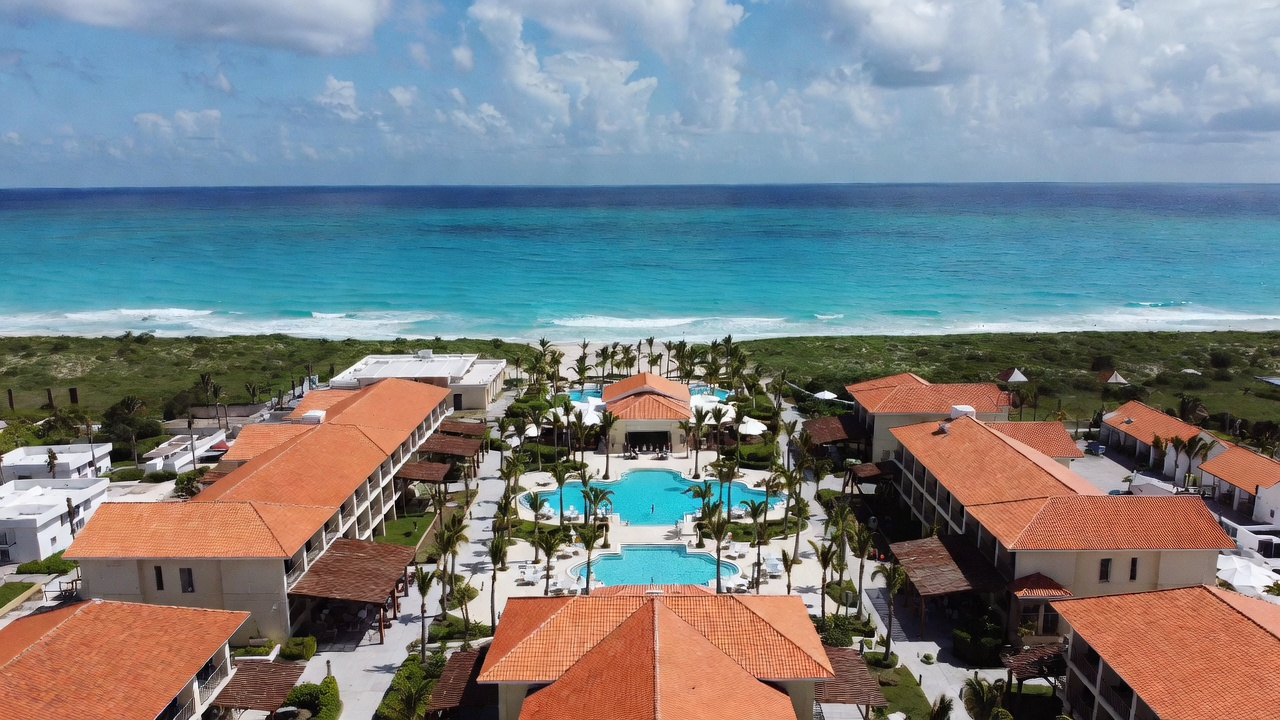
Arrival Day Tips
Your first few hours at an all-inclusive resort set the tone for your entire vacation. Experienced all-inclusive travelers have a systematic approach to arrival day that maximizes their time and ensures they don't miss any of the resort's offerings.
Try to arrive as early as possible. Many all-inclusive resorts allow you to use the facilities — pools, beach, restaurants, bars — even before your room is ready. If you're flying in, book a morning flight when possible so you arrive by early afternoon. Your all-inclusive rate covers you from the moment you check in, so arriving at 8 PM means you've effectively wasted a half-day of your package. Some resorts will even let you check in the night before your official start date for a reduced "early arrival" fee — ask when booking.
During the welcome briefing (don't skip it, even if you're tempted), pay close attention to restaurant reservation policies. At many resorts, the most popular a la carte restaurants book up quickly, especially at peak times. Some resorts open reservations at check-in for your entire stay. Your first move after getting your room should be to book your preferred restaurants for the week, particularly any teppanyaki, steakhouse, or seafood restaurants which tend to be the smallest and most popular venues.
Take a full resort tour before you settle in. Walk the entire property, locate every restaurant, bar, pool, and activity center. Find the quiet spots — most resorts have a hidden corner or secondary pool that's far less crowded than the main area. Identify the best beach lounger locations and the bar with the shortest lines. This reconnaissance takes 30-45 minutes and will save you time and frustration for the rest of your trip.
Introduce yourself to the concierge and ask about anything not listed in the welcome materials — weekly schedules for beach parties, live music nights, special tasting events, or off-menu dining experiences. Many resorts at the Palace Resorts and Hard Rock All-Inclusive level host events that aren't widely advertised but are available to any guest who asks.
Pro Tip
Bring a printed copy of your booking confirmation with the exact room category you reserved. Overbooked resorts sometimes attempt to "downgrade" guests, and having documentation makes it much easier to insist on what you paid for.
Making the Most of Dining
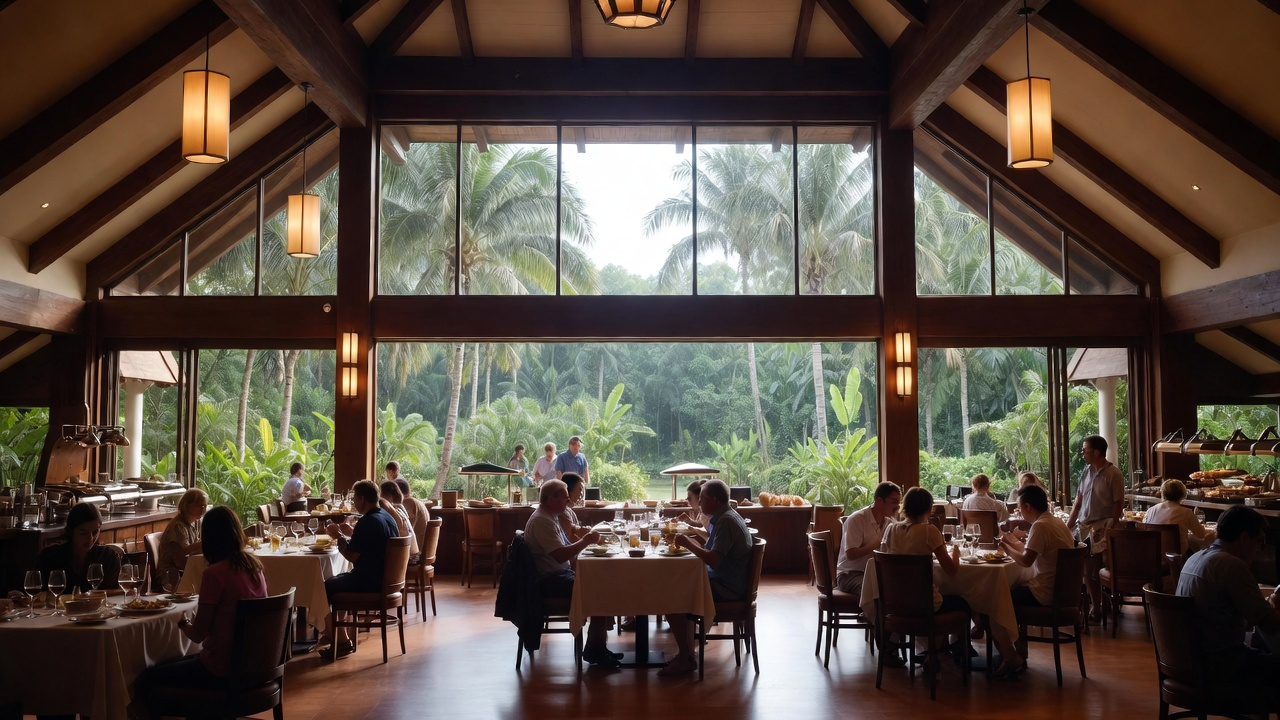
Dining is the centerpiece of the all-inclusive experience, and it's where the difference between a good vacation and a great one often lies. Most resorts offer a main buffet restaurant open for all three meals, plus a selection of specialty a la carte restaurants for dinner (and sometimes lunch). The quality gap between these two experiences is significant — you'll want to eat at the a la carte restaurants as often as possible.
At the buffet, quality varies wildly. Breakfast buffets are generally solid across all resort tiers — it's hard to mess up eggs, fruit, pastries, and made-to-order omelets. Lunch buffets are your best friend, especially if you eat a hearty one and then have a lighter a la carte dinner. Dinner buffets are where things get polarizing; some resorts (particularly Iberostar and Club Med) do themed dinner buffets well, while others serve repetitive, lukewarm fare.
For a la carte dining, the general hierarchy of quality at most resorts goes: steakhouse and seafood first (typically the best), followed by Italian and Asian/teppanyaki, with Mexican and "international" restaurants sometimes being less impressive. This isn't universal — at premium properties like Sandals Royal Barbados, all restaurants maintain a consistently high standard. But at mid-range resorts, concentrating your a la carte visits on the top one or two restaurants is a smart strategy.
Room service is an underused perk at many all-inclusive resorts. After a long day of sun and activities, ordering dinner to your room or balcony can be one of the most pleasant meals of your trip. At resorts like Hyatt Ziva and Hyatt Zilara, room service is available 24/7 and comes from the same kitchens as the restaurants. Late-night room service — a burger and fries at midnight after dancing — is a quintessential all-inclusive pleasure.
One more dining tip that first-timers overlook: talk to your servers and request off-menu items. Many all-inclusive chefs are talented professionals who welcome the chance to cook something special. If you mention a dietary restriction, allergy, or just a craving, the kitchen will often accommodate you. At the best resorts, this is where the truly memorable dining experiences happen — the chef's special that isn't on any menu.
Pro Tip
Make your dinner reservations for slightly off-peak times — either 6:00 PM or 8:30 PM instead of the 7:00-7:30 PM rush. You'll get better service, more attentive cooking, and a quieter atmosphere.
Activities and Entertainment
One of the biggest mistakes first-time all-inclusive travelers make is treating their resort like a beach-and-pool-only destination. Most resorts offer an astounding range of included activities that would cost you hundreds of dollars if purchased separately — and many guests barely scratch the surface.
Water sports are the headline attraction at most Caribbean and Mexican all-inclusive resorts. Non-motorized water sports — kayaking, sailing, paddle boarding, snorkeling, windsurfing — are almost universally included. Premium brands like Sandals go further by including motorized sports such as waterskiing, wakeboarding, and even scuba diving for certified divers (they'll also certify you at no extra charge). Before your trip, check which water sports your resort includes and plan to try at least two or three you've never done before.
Land-based activities deserve attention too. Most resorts have tennis courts (with free rackets and balls), volleyball, basketball, and fitness classes ranging from yoga and Pilates to aqua aerobics and Zumba. Club Med is legendary for their circus school, trapeze lessons, and archery. Hard Rock All-Inclusive offers guitar lessons and music memorabilia tours. These unique activities make for great vacation memories and fun stories to tell when you return home.
Evening entertainment varies enormously between resorts and is worth researching before you book. Some resorts offer Broadway-caliber shows, fire dancers, live bands, and themed party nights. Others settle for a solo musician in the lobby bar. Palace Resorts and RIU Hotels are known for energetic nightlife with on-property discos open until the early morning hours. Adult-only resorts like Secrets Resorts and Couples Resorts tend toward more sophisticated entertainment — wine tastings, jazz lounges, and starlit beach dinners.
Don't overlook off-resort excursions, which while typically not included in your rate, are often the highlight of the entire trip. Resort concierges can arrange catamaran cruises, zip-line adventures, cenote swimming (in Mexico), waterfall hikes, cultural tours, and island-hopping day trips. Budget an additional $100-200 per person for at least one excursion — it provides a welcome change of pace and a deeper connection to your destination.
Pro Tip
Sign up for activities on your first morning. Popular excursions and classes (especially scuba intro courses, catamaran sails, and cooking classes) fill up fast. Don't wait until day three to realize the snorkeling trip is fully booked.
Common Mistakes to Avoid
After helping thousands of travelers plan their first all-inclusive vacations, we've seen the same mistakes repeated over and over. Avoid these pitfalls and you'll have a significantly better experience than the average first-timer.
Mistake #1: Choosing solely on price. A $150/night all-inclusive that includes watered-down drinks, a dated buffet, and a rocky beach is a far worse value than a $300/night resort with premium spirits, gourmet restaurants, and pristine sand. Read reviews specifically about food and drink quality — these are your biggest daily touchpoints and the largest factor in vacation satisfaction. Our guide to choosing the right all-inclusive can help you evaluate options beyond the nightly rate.
Mistake #2: Not making restaurant reservations immediately. As mentioned in the arrival tips section, a la carte restaurants at popular resorts book up within hours of the morning reservation window opening. If you wait until the day-of, you may be stuck with the buffet on nights when you wanted teppanyaki. Some resorts allow advance reservations at booking — take advantage of this if available.
Mistake #3: Skipping travel insurance. All-inclusive vacations represent a larger upfront financial commitment than typical hotel stays. Hurricane season, flight cancellations, illness, or unexpected events can wipe out a $5,000+ investment. Comprehensive travel insurance typically costs 5-8% of your trip cost and provides genuine peace of mind. Look for policies that cover trip cancellation, interruption, medical expenses, and evacuation.
Mistake #4: Overdrinking on day one. The open bar is exciting. We get it. But tropical heat, strong sun, and unfamiliar cocktails are a recipe for a miserable second day. Pace yourself, alternate alcoholic drinks with water, and eat before or during your first session at the swim-up bar. Your vacation is a marathon, not a sprint.
Mistake #5: Never leaving the resort. All-inclusive resorts are designed to keep you on property, and they do an excellent job of it. But you're visiting a foreign country with its own culture, food, history, and beauty. Take at least one excursion or walk into the nearby town. You'll gain perspective, have unique experiences, and create memories that standing at the pool bar simply can't replicate.
Mistake #6: Ignoring the loyalty program. Brands like Hyatt Ziva and Hyatt Zilara (World of Hyatt), RIU Hotels (Riu Class), and Iberostar (Iberostar Plus) all have loyalty programs that can earn you upgrades, late checkouts, and other perks. Sign up before your trip — it takes five minutes and costs nothing.
Pro Tip
Take photos of the daily activity schedule and restaurant hours on your phone each morning. Having this reference saves you from trekking back to the lobby every time you need to check a time.


