
Water Sports & Beach Activities at All-Inclusive Resorts
For many travelers, the ocean is the main event at an all-inclusive resort. The chance to snorkel over coral reefs, kayak through mangroves, paddleboard at sunrise, or try parasailing for the first time is what elevates a beach vacation from merely relaxing to truly unforgettable. The good news is that most all-inclusive resorts in the Caribbean and Mexico include a generous selection of water sports and beach activities in their rates—no extra charge required.
But the range and quality of water sports varies enormously from resort to resort. Some properties offer little more than a rack of aging kayaks, while others operate full-service water sports centers with professional instruction, top-quality equipment, and access to world-class dive sites. The brand you choose, the destination you pick, and even the specific property within a chain can make a dramatic difference in your aquatic experience.
This guide covers everything you need to know about water sports at all-inclusive resorts—what's typically included, what costs extra, the best brands for water enthusiasts, and essential safety considerations to keep in mind.
Water Sports Typically Included at All-Inclusive Resorts
The majority of all-inclusive resorts include a core set of non-motorized water sports in their rates, giving guests plenty of ways to enjoy the ocean without spending a penny beyond their room cost. Understanding what's standard helps you set expectations and identify properties that go above and beyond.
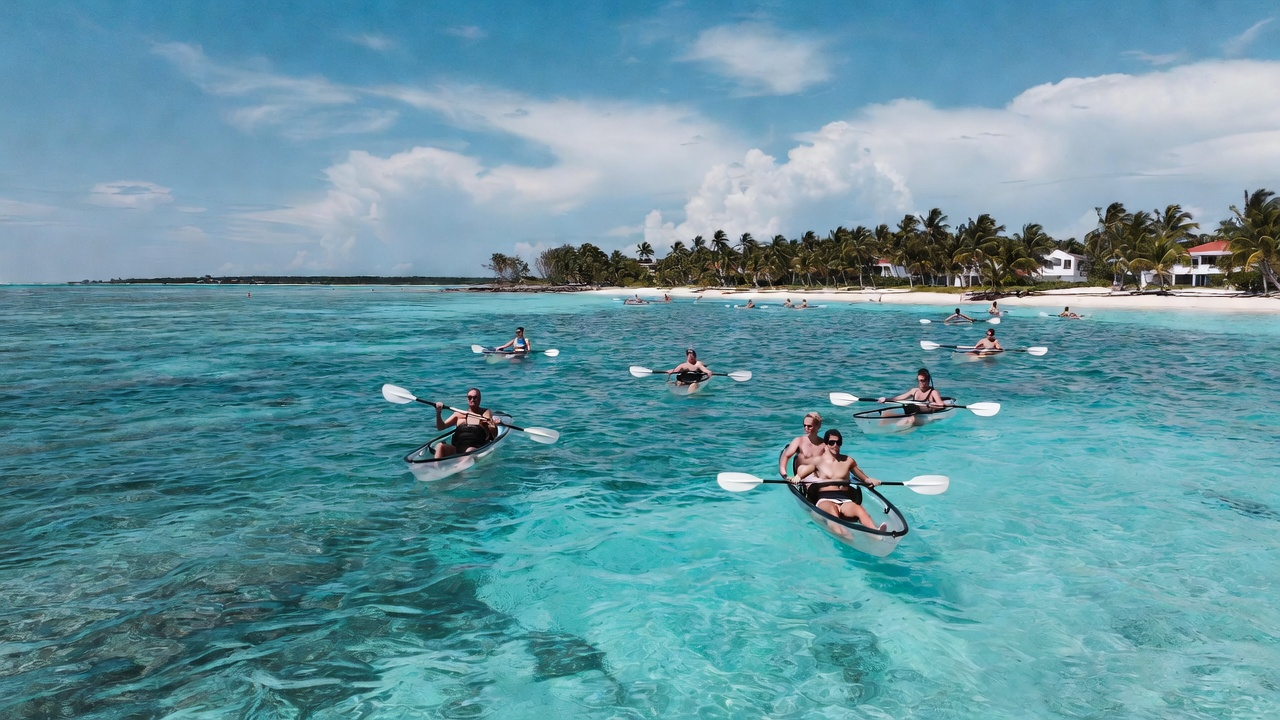
Kayaking is arguably the most universally included water sport across all-inclusive brands. Most beachfront properties maintain a fleet of single and tandem sit-on-top kayaks available for guest use during daylight hours. These are typically self-service—grab a life jacket from the water sports hut, drag a kayak into the shallows, and paddle at your leisure. Kayaking is an excellent way to explore the coastline, discover hidden coves, and get a workout while enjoying the scenery.
Stand-up paddleboarding (SUP) has surged in popularity at all-inclusive resorts over the past decade and is now included at most mid-range and upscale properties. SUP is deceptively challenging for beginners, so many resorts offer brief introductory lessons. Morning sessions, before the wind picks up, tend to offer the calmest water and the best experience. Some resorts in the Maldives offer paddleboarding over crystalline lagoons where you can watch marine life beneath your board—a truly magical experience.
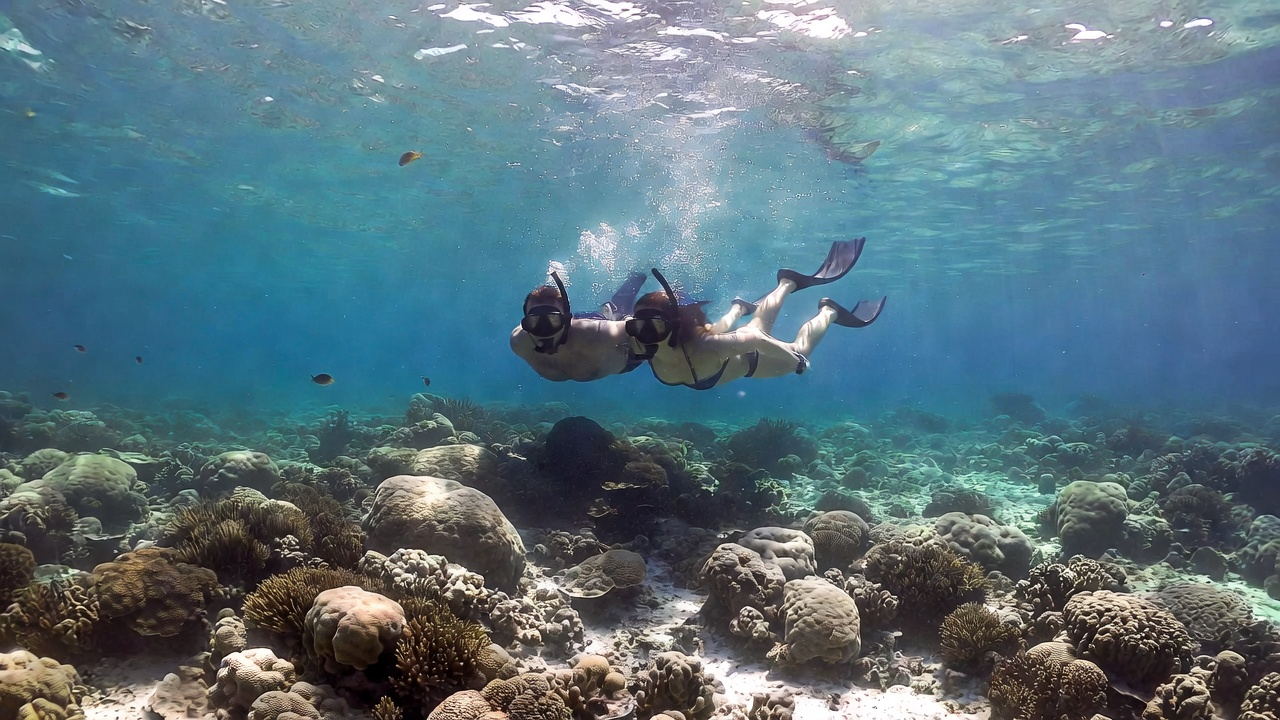
Snorkeling equipment (mask, snorkel, and fins) is almost always complimentary at all-inclusive resorts. However, the quality of the snorkeling experience depends heavily on the property's location. Resorts situated on natural reefs or near protected marine areas—common in Cozumel, the Bay Islands of Honduras, Barbados, and much of the Maldives—offer spectacular snorkeling right from the beach. Properties on sandy-bottomed coastlines, like many in Punta Cana or Cancún's hotel zone, may have limited marine life directly offshore, making guided snorkeling excursions to nearby reefs a worthwhile add-on investment.
Sailing and windsurfing round out the standard non-motorized offerings. Many resorts include Hobie Cat sailing (small catamarans) and beginner windsurfing equipment and instruction. Club Med is particularly well-known for its sailing program, offering instruction from certified professionals as a core part of the all-inclusive experience. Other common inclusions are boogie boards, water volleyball, and aqua aerobics classes—perfect for guests who want to stay active without committing to a full water sport.
Pro Tip
The best time for most water sports is early morning, typically between 7 and 10 AM. The water is calmer, the sun is less intense, the beach is less crowded, and you'll often have first pick of the best equipment. By midday, winds pick up at many Caribbean destinations, making activities like paddleboarding and kayaking significantly more challenging.
| Water Sport | Typically Included? | Skill Level | Best Time of Day |
|---|---|---|---|
| Kayaking (single & tandem) | Yes, at most resorts | Beginner-friendly | Morning or late afternoon |
| Stand-up paddleboarding | Yes, at most mid-range+ | Easy to moderate | Early morning (calm water) |
| Snorkeling (equipment) | Yes, at nearly all resorts | Beginner-friendly | Morning for best visibility |
| Hobie Cat sailing | Yes, at many resorts | Moderate (lessons available) | Mid-morning with steady breeze |
| Windsurfing | Yes, at many resorts | Moderate to advanced | When wind is steady |
| Boogie boarding | Yes, at most resorts | Beginner-friendly | When waves are present |
| Water volleyball/polo | Yes (organized activities) | Beginner-friendly | Scheduled daily |
| Aqua aerobics | Yes (scheduled classes) | Beginner-friendly | Usually late morning |
Motorized vs. Non-Motorized Water Sports: What You Need to Know
The distinction between motorized and non-motorized water sports is the single most important factor determining what's included in your all-inclusive rate versus what will cost extra. Understanding this distinction helps you budget accurately and choose the right resort for your interests.
Non-motorized water sports—everything propelled by human power, wind, or currents—are included at the vast majority of all-inclusive resorts at no additional charge. This encompasses kayaking, paddleboarding, snorkeling, sailing (small boats like Hobie Cats), windsurfing, boogie boarding, and various pool-based activities. These activities represent the core water sport experience at most properties and are more than sufficient for casual water enthusiasts.
Motorized water sports—anything requiring an engine or motor—almost always carry an additional fee, even at the most inclusive resorts. These include jet skiing ($60-$120 per 30-minute session), parasailing ($70-$100 per ride), banana boat rides ($20-$40 per person), water skiing and wakeboarding ($50-$80 per session), flyboarding ($100-$180 per session), and motorized snorkeling or underwater scooters ($40-$80 per session). Motorboat-based activities like glass-bottom boat tours and deep-sea fishing charters are also extra-cost options at most properties.
There are notable exceptions to this rule. Club Med includes water skiing instruction in their rates at select properties, which is unusual in the all-inclusive world. Some luxury resorts and those running promotional packages may include a limited number of motorized activities. Beaches Resorts (by Sandals) includes a PADI-certified scuba diving program for guests at their Turks & Caicos property, which is an extraordinary inclusion given the typical cost of dive programs.
If motorized water sports are a priority, your best strategy is to compare the costs at the resort versus booking directly with local operators. In many destinations, independent water sports companies on public beaches near the resort offer the same activities at lower prices. However, booking through the resort offers the convenience of proximity and typically comes with better safety standards and insurance coverage.
Pro Tip
If you want to try multiple motorized activities, ask the resort's water sports desk about package deals. Many properties offer multi-activity packages at 20-30% less than the combined individual prices, and some run happy-hour style discounts during off-peak afternoon hours.
Snorkeling and Diving at All-Inclusive Resorts
Snorkeling and scuba diving represent the pinnacle of aquatic experiences at all-inclusive resorts, offering windows into the underwater world that many guests describe as the most memorable moments of their entire vacation. Whether you're a seasoned diver or a first-time snorkeler, understanding what's available—and where to find the best experiences—will help you plan accordingly.
Snorkeling at its most basic is almost universally included at all-inclusive resorts: you'll be provided with a mask, snorkel, and fins to use at the resort's beach at no charge. The quality of beach snorkeling depends entirely on the marine environment. Resorts on the Mesoamerican Barrier Reef in Mexico (Riviera Maya, Cozumel), the coral reefs of Jamaica's north coast, the protected marine parks of Barbados and Bonaire, and virtually any resort in the Maldives offer exceptional shore snorkeling. In contrast, many popular resort areas like Punta Cana, Cancún's hotel zone, and Montego Bay have sandy-bottomed shorelines where offshore snorkeling reveals little marine life.
For the best snorkeling experience, consider booking a guided snorkeling excursion—these are available at virtually every all-inclusive resort but typically cost $40-$80 per person. Excursions transport you by boat to prime snorkeling locations with healthier reefs, more abundant marine life, and better visibility. Many include equipment, instruction, and refreshments. In Cozumel, for instance, a snorkeling boat trip to the Palancar or Colombia reef systems is a world-class experience that easily justifies the additional cost.
Scuba diving is almost always an additional expense at all-inclusive resorts, with the notable exception of Sandals and Beaches, which include scuba diving for certified divers at most of their properties—an incredible value given that a typical two-tank dive in the Caribbean costs $80-$150. For non-certified guests, Sandals also includes a resort course (introductory pool session followed by a shallow open-water dive) at no extra charge, making it one of the most generous water sports inclusions in the all-inclusive industry.
At other brands, expect to pay $80-$150 for a two-tank dive, $100-$150 for a discover scuba (resort course) experience, and significantly more for multi-day PADI certification courses. If you're considering getting certified, some resorts partner with local dive shops to offer the full Open Water Diver course over 3-4 days, though completing the classroom portion online before your trip (through PADI eLearning) can free up more vacation time for actual diving.
Some destinations stand out for diving. The Caribbean offers world-renowned dive sites including the Belize Blue Hole, Cozumel's drift dives, Bonaire's shore diving, and the Cayman Islands' wall dives. The Maldives is legendary for encounters with manta rays, whale sharks, and pristine coral gardens. Mexico's cenotes (underwater sinkholes) near the Riviera Maya offer a completely unique freshwater cave diving experience unlike anything else in the world.
Pro Tip
If you're a certified diver choosing an all-inclusive resort, Sandals is hard to beat for value—their included diving program can save you $400-$600 over a week-long stay compared to paying for dives at other brands. Just remember to bring your certification card and dive log.
Beach Facilities and Amenities: What to Expect
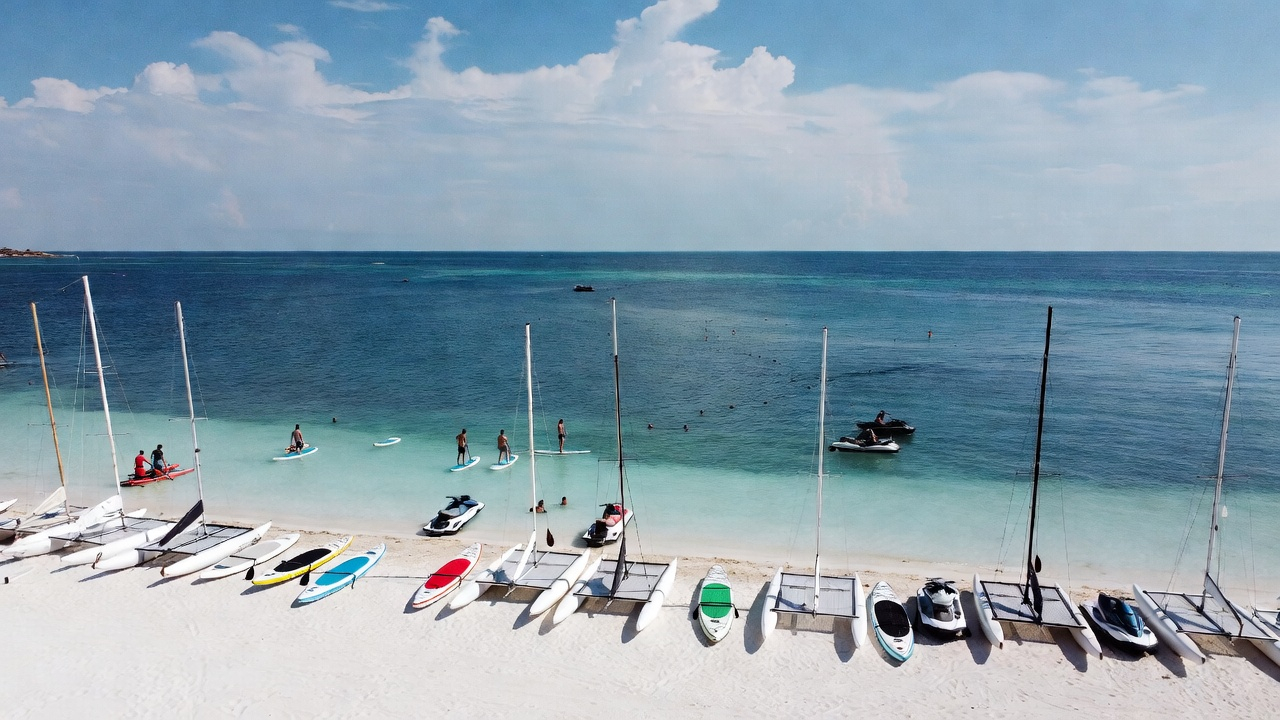
Beyond water sports, the beach itself is a critical component of the all-inclusive experience. The quality of beach facilities—from the sand and sea conditions to the loungers and service—varies significantly between resorts and can dramatically impact your daily enjoyment.
Beach loungers, umbrellas, and shade structures are included at every all-inclusive resort, but their quality and availability differ. Some properties use basic plastic loungers that become uncomfortable after an hour, while others provide cushioned, adjustable loungers with built-in shade canopies. The ratio of loungers to guests matters too—overcrowded beaches where you need to "reserve" a lounger with a towel at 6 AM are frustrating. Higher-end brands like Excellence Resorts, Secrets Resorts, and Hyatt Zilara tend to maintain better lounger-to-guest ratios, ensuring you can find a spot at any reasonable hour.
Beach and pool butler service elevates the experience considerably. At many all-inclusive resorts, waitstaff circulate among beach loungers taking drink and food orders, bringing cocktails, beers, waters, and snacks directly to your spot. This service is typically included in your all-inclusive rate and is one of the genuine pleasures of the all-inclusive model. The frequency and attentiveness of beach service varies—at some resorts, a server passes by every 10-15 minutes, while at others you might wait 30 minutes or more. Sandals and Hyatt Ziva are generally well-regarded for responsive beach service.
Beach cabanas and daybeds represent a premium upgrade available at many resorts. These reserved, semi-private structures offer enhanced shade, comfortable cushions, dedicated server attention, and sometimes include extras like fruit plates, bottled water, or a bottle of champagne. Prices typically range from $50 to $200+ per day depending on the property and the cabana style. At some resorts, particularly Palace Resorts and certain Secrets properties, upgraded room categories include complimentary cabana reservations—another reason to consider higher tier rooms.
Beach conditions themselves are beyond the resort's control but are worth researching before you book. Seaweed (sargassum) has been an increasing issue along the eastern coasts of Mexico and parts of the Caribbean, particularly from May through October. While resorts invest heavily in daily beach cleaning, heavy sargassum seasons can impact the aesthetics and smell of the beach. The western coast of Mexico, the south coast of Jamaica, Barbados, Aruba, and the Maldives tend to be less affected. Checking recent guest photos on review sites is the best way to gauge current beach conditions at any specific property.
Pro Tip
Ask your resort about beach bonfire nights—many properties host them weekly with live music, cocktails, and s'mores or marshmallow roasting. These events don't always appear on the daily activity schedule and are sometimes arranged by request only. They're among the most magical experiences at a beachfront resort.
Best All-Inclusive Brands for Water Sports Enthusiasts
Choosing a brand that prioritizes water sports programming can significantly enhance your vacation experience. Here are the all-inclusive brands that consistently deliver the best aquatic activities.
Club Med stands alone as the best all-inclusive brand for water sports enthusiasts. Their proprietary approach to sports programming sets them apart—Club Med resorts typically offer sailing instruction on Hobie Cats, water skiing lessons, windsurfing (including professional instruction), kayaking, paddleboarding, snorkeling, and aqua fitness, all included in the base rate. What makes Club Med exceptional is the quality of instruction: their sports teams are internationally recruited professionals, often former competitive athletes, who provide genuine skill development rather than just equipment rental. For families and individuals who want to actually learn and improve at water sports, Club Med is unmatched.
Sandals and Beaches earn top marks for their included scuba diving program, which is the most generous dive inclusion in the all-inclusive industry. Certified divers can enjoy unlimited shore dives and daily boat dives at no extra charge—a benefit worth hundreds of dollars over a week-long stay. Their non-motorized water sports selection is also solid, with kayaks, Hobie Cats, paddleboards, snorkeling gear, and glass-bottom boat rides included at most properties. Sandals Royal Barbados benefits from the island's excellent offshore reefs, making it a particularly good choice for snorkeling and diving.
Iberostar has made a significant commitment to marine conservation and responsible water sports, which translates into well-managed aquatic programs at their properties. Their Wave of Change initiative focuses on coastal health, responsible seafood, and ocean protection, and many Iberostar resorts partner with local marine biologists for guided snorkeling excursions that combine recreation with conservation education. Their included water sports lineup covers the standard non-motorized options, with organized activities like snorkeling tours adding value.
Hyatt Ziva and Hyatt Zilara properties offer comprehensive non-motorized water sports and benefit from their locations in some of the Caribbean's and Mexico's best aquatic environments. The Hyatt Ziva Cap Cana and Hyatt Zilara Cap Cana properties, for instance, are situated near some of the Dominican Republic's best offshore reefs, and both offer a strong selection of water activities along with easy access to excursions for deeper diving and snorkeling adventures.
Dreams Resorts provides a solid middle-ground option with reliable non-motorized water sports and a variety of available motorized add-ons. Their Unlimited Connectivity concept means good beach connectivity for sharing your adventures in real-time, and their family-friendly atmosphere ensures water sports instruction is available for all ages and skill levels.
Pro Tip
If you're an avid snorkeler or diver, choose your destination before your brand. The best resort brand in the world can't create a coral reef where one doesn't exist. Research the marine environment of your destination first, then select the best brand/property in that location.
| Brand | Water Sports Highlight | Included Diving | Best Destination for Water Sports |
|---|---|---|---|
| Club Med | Professional instruction in sailing, skiing, windsurfing | No (extra cost) | Turks & Caicos, Martinique |
| Sandals / Beaches | Unlimited included scuba diving | Yes (certified + resort course) | Turks & Caicos, Barbados, Curaçao |
| Iberostar | Conservation-focused marine programs | No (extra cost) | Riviera Maya, Dominican Republic |
| Hyatt Ziva/Zilara | Comprehensive non-motorized options | No (extra cost) | Cap Cana, Cancún, Jamaica |
| Dreams Resorts | Family-friendly instruction | No (extra cost) | Riviera Maya, Punta Cana |
| RIU Hotels | Large property beach operations | No (extra cost) | Jamaica, Aruba, Mexico |
Water Sports Safety Tips and Considerations
Water sports at all-inclusive resorts are generally safe, but the relaxed vacation atmosphere can sometimes lead guests to underestimate ocean conditions or overestimate their abilities. Keeping these safety considerations in mind will help ensure your aquatic adventures are fun and incident-free.
Respect the flag system. Most resort beaches use a colored flag system to indicate swimming and water sports conditions: green means calm and safe, yellow indicates moderate conditions with caution advised, red means dangerous conditions with swimming restricted or prohibited, and double red or black flags mean the beach is closed to water activities. These flags are posted for your safety—obey them. Rip currents, strong undertows, and sudden swells claim lives every year, including at resort beaches. If you're unfamiliar with ocean swimming, stay in designated swimming areas and always swim where lifeguards are on duty.
Wear life jackets for water sports—no exceptions. This applies even if you're a strong swimmer. Fatigue, sudden weather changes, equipment failure, and collisions can all create dangerous situations where a life jacket is the difference between a minor incident and a tragedy. Reputable resorts will require life jackets for activities like kayaking and sailing, but some are lax about enforcement. Don't let ego or inconvenience deter you.
Be honest about your skill level. All-inclusive resorts cater to all experience levels, and there's no shame in being a beginner. If you've never sailed, windsurfed, or paddleboarded before, ask for instruction rather than trying to figure it out alone. Most resorts include basic lessons in their water sports program. For scuba diving, never misrepresent your certification level or experience—dive operators determine depth limits and dive profiles based on your stated experience, and being in over your head (literally) underwater can be life-threatening.
Protect yourself from the sun. The combination of water reflection, tropical latitude, and prolonged exposure during water sports creates intense UV conditions. Wear reef-safe waterproof sunscreen (SPF 50+), reapplying every 60-90 minutes. Consider wearing a rash guard or UV-protective water shirt, which provides reliable sun protection without the need for constant sunscreen reapplication—and is better for the marine environment. A wide-brimmed hat for non-submersion activities like kayaking and paddleboarding is also wise.
Stay hydrated and know your limits. It's easy to underestimate how much water you're losing through physical activity in tropical heat, especially when you're surrounded by ocean water and may not notice your own sweat. Drink plenty of water before and after water sports sessions, and take breaks in the shade if you feel fatigued, dizzy, or overheated. The all-inclusive model makes it tempting to enjoy alcoholic beverages throughout the day, but alcohol and water sports are a dangerous combination. Save the cocktails for after your aquatic activities.
Check equipment before use. Before taking out any water sports equipment, do a quick visual inspection. Kayaks should be free of cracks and have functioning scupper plugs. Life jackets should be in good condition with working buckles and clips. Snorkeling masks should form a seal on your face without gaps. If any equipment looks damaged, worn, or poorly maintained, request a replacement or report it to the water sports staff. Better resorts regularly inspect and rotate their equipment, but some properties may have aging gear that has seen too many seasons.
Pro Tip
Take a quick phone photo of the beach flag conditions each morning before heading out—this helps you track patterns. You'll often notice that mornings are calm (green flag) but conditions deteriorate by early afternoon. Plan your water sports for the calmer morning hours and save the pool and beach lounging for the afternoons.

