
Travel Insurance for All-Inclusive Vacations: Do You Need It?
You have spent weeks researching the perfect all-inclusive resort, booked your flights, and started counting down the days. But what happens if a hurricane shuts down your destination, you break a leg snorkeling, or a family emergency forces you to cancel three days before departure? Without travel insurance, you could lose thousands of dollars and face crippling medical bills abroad. Travel insurance for all-inclusive vacations is not just a nice-to-have — it is a critical safety net that protects your investment and your health.
This guide breaks down exactly what travel insurance covers, why all-inclusive travelers are uniquely exposed to financial risk, the different types of policies available, and how to choose the right coverage for your Caribbean or Mexico getaway. Whether you are a first-time all-inclusive traveler or a seasoned resort veteran, understanding your insurance options will give you peace of mind and protect your vacation investment.
What Travel Insurance Actually Covers
Travel insurance is an umbrella term for a collection of coverage types that protect against different risks. A comprehensive travel insurance policy typically bundles several types of coverage into a single plan. Understanding each component helps you evaluate whether a policy provides genuine protection or just a false sense of security.
Trip cancellation coverage reimburses your non-refundable trip costs if you need to cancel before departure for a covered reason. Covered reasons typically include illness or injury to you or a family member, death of a family member, jury duty, employer termination, natural disasters at your destination, and sometimes terrorism. Standard trip cancellation coverage reimburses 100 percent of your prepaid, non-refundable expenses up to the policy limit. For an all-inclusive vacation, this means your resort booking, flights, airport transfers, and any prepaid excursions would be covered if you cancel for a qualifying reason.
Trip interruption coverage protects you after you have departed. If you need to cut your trip short and return home early due to a covered reason, trip interruption coverage reimburses the unused portion of your prepaid trip costs plus additional transportation expenses to get home. This is particularly valuable for all-inclusive travelers because a significant portion of your vacation cost is prepaid and non-refundable once you arrive.
Emergency medical coverage pays for medical treatment if you become ill or injured during your trip. This is arguably the most critical coverage for international travelers because most domestic health insurance plans provide limited or no coverage outside your home country. Emergency medical coverage typically includes hospital stays, physician visits, prescription medications, emergency dental treatment, and ambulance services. Policy limits range from $25,000 to $500,000 or more.
Emergency medical evacuation coverage pays for transport to the nearest adequate medical facility or back to your home country if local medical facilities cannot provide the treatment you need. Medical evacuation from a Caribbean island or remote resort can cost $50,000 to $250,000 or more, making this coverage potentially the most financially impactful component of your policy. Air ambulance services, ground transportation, and accompanying medical personnel are typically covered.
Baggage loss and delay coverage reimburses you for lost, stolen, or delayed luggage and its contents. While less dramatic than medical emergencies, arriving at your all-inclusive resort without your swimsuit and summer clothes is a genuine inconvenience. Baggage delay coverage typically provides $200 to $500 for essential purchases while you wait for your bags, and baggage loss coverage reimburses the value of lost items up to the policy limit (usually $1,000 to $3,000).
Travel delay coverage reimburses additional expenses if your trip is delayed by a covered reason such as weather, mechanical breakdown, or airline strike. This might include hotel stays, meals, and transportation costs during the delay. For all-inclusive travelers, this is most relevant during outbound travel — if your flight is delayed 12 or more hours, you lose a day at a resort you have already paid for. Some policies reimburse a prorated portion of your resort cost for each day lost to delay.
Pro Tip
Read the 'covered reasons' list in any policy carefully. The most common reason travelers need to cancel — 'I just changed my mind' or 'work got busy' — is NOT covered under standard trip cancellation. You need a 'Cancel for Any Reason' (CFAR) upgrade for that level of flexibility.
Why All-Inclusive Travelers Are Uniquely at Risk
All-inclusive vacations carry specific financial risks that make travel insurance more important than for other types of travel. Understanding these risks helps you appreciate why skipping insurance for a $6,000 all-inclusive vacation is a gamble with unfavorable odds.
The prepaid, non-refundable nature of all-inclusive bookings is the primary risk factor. When you book a seven-night all-inclusive package at a resort in Mexico or the Caribbean, you are typically paying for your room, all meals, all drinks, entertainment, and activities in one lump sum. If you need to cancel or cut your trip short, you lose the entire prepaid amount. Unlike a hotel booking where you might lose one night's deposit, an all-inclusive cancellation can mean losing $3,000 to $10,000 or more. Trip cancellation insurance protects this entire investment.
The international destination factor significantly increases medical risk exposure. Most all-inclusive resorts are located in countries where your domestic health insurance provides little or no coverage. A broken bone that costs $500 to treat at home might generate a $5,000 hospital bill in Mexico or the Caribbean, and you will likely need to pay upfront in cash or by credit card. More serious incidents — a diving accident, severe allergic reaction, or heart event — can produce five-figure medical bills that your insurance at home will not touch. Emergency medical coverage in your travel insurance policy fills this gap.
The activity-rich environment of all-inclusive resorts increases injury risk beyond a typical vacation. Snorkeling, scuba diving, jet skiing, zip-lining, parasailing, horseback riding, and other adventure activities are part of the all-inclusive appeal. Each carries inherent injury risk. If you are hurt during an activity, you need medical coverage that works in your destination country and, potentially, evacuation coverage to get you to a facility that can provide specialized treatment.
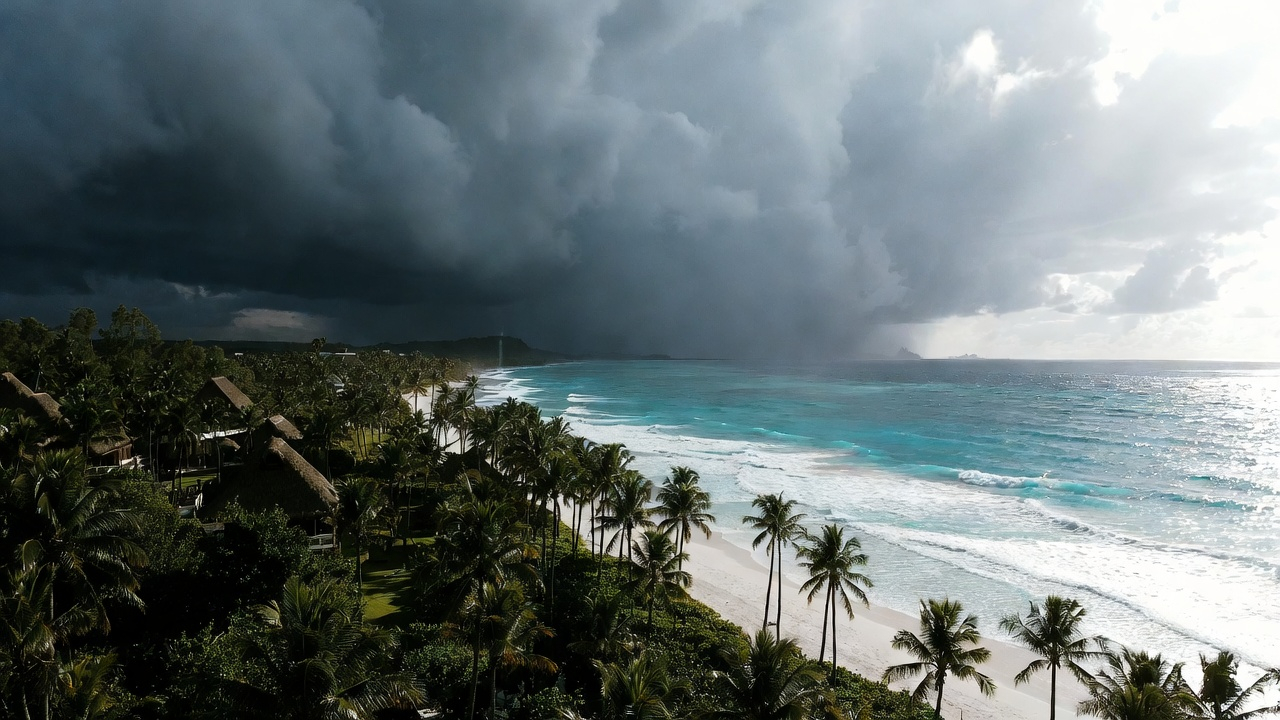
The geographic exposure to natural disasters is another significant factor. The Caribbean and Mexico are in hurricane territory, and the peak hurricane season (August through November) overlaps with some of the best all-inclusive deals. A hurricane can close airports, evacuate resorts, and cancel entire trips with little warning. Without trip cancellation or interruption coverage, you absorb the full financial loss of a weather-cancelled vacation.
The distance from home matters if a family emergency requires your immediate return. If a parent becomes critically ill or a family emergency arises while you are at a resort in the Maldives or a remote Caribbean island, the last-minute flight home can cost several thousand dollars. Trip interruption coverage reimburses these emergency travel expenses plus the unused portion of your resort stay.
Pro Tip
The cost of travel insurance is typically 4 to 8 percent of your total trip cost. For a $5,000 all-inclusive vacation, that is $200 to $400 — a small price to protect against potential losses of thousands of dollars or more in medical bills and non-refundable bookings.
Types of Travel Insurance Policies
Travel insurance is not one-size-fits-all. Multiple policy types exist, each designed for different needs and budgets. Choosing the right policy type ensures you are adequately covered without paying for unnecessary extras.
Comprehensive travel insurance is the most common type for all-inclusive vacations. These policies bundle trip cancellation, trip interruption, emergency medical, emergency evacuation, baggage, and travel delay coverage into a single plan. Comprehensive plans are offered by dedicated travel insurance companies like Allianz, World Nomads, Travelex, and IMG. Pricing is based on your trip cost, your age, your destination, and the coverage limits you select. For most all-inclusive travelers, a comprehensive policy provides the best combination of coverage and value.
Cancel for Any Reason (CFAR) policies are the highest-tier option. Standard trip cancellation insurance only covers specific listed reasons (illness, natural disaster, etc.). CFAR coverage, as the name implies, allows you to cancel for any reason whatsoever and receive a partial refund, typically 50 to 75 percent of your non-refundable trip costs. CFAR is an upgrade added to a comprehensive policy and typically costs 40 to 60 percent more than the base policy. It must be purchased within 14 to 21 days of your initial trip deposit. CFAR is ideal for travelers booking expensive trips during uncertain times or those who want maximum flexibility.
Medical-only travel insurance covers only emergency medical treatment and evacuation during your trip. It does not cover trip cancellation, baggage, or delays. This is a budget option for travelers who are comfortable self-insuring the financial risk of cancellation but want protection against medical emergencies abroad. Medical-only policies are significantly cheaper than comprehensive plans and are a reasonable choice if your all-inclusive booking has a flexible cancellation policy.
Annual or multi-trip policies cover all trips taken within a 12-month period under a single policy. If you take two or more all-inclusive vacations per year, an annual policy is often more cost-effective than purchasing individual trip policies. Annual plans typically cap individual trip duration at 30 to 45 days and have per-trip cost limits. These are popular among frequent travelers and snowbirds who winter in the Caribbean.
Specialized activity coverage is an important consideration for all-inclusive travelers who plan to participate in adventure sports. Standard travel insurance policies often exclude injuries sustained during activities classified as "high risk" — scuba diving below certain depths, parasailing, ATV riding, and sometimes even jet skiing. If your all-inclusive vacation includes these activities, verify that your policy covers them or purchase an adventure sports rider. Providers like World Nomads specialize in coverage for active travelers and include a broader range of activities in their standard policies.
| Policy Type | What It Covers | Typical Cost | Best For | Key Limitation |
|---|---|---|---|---|
| Comprehensive | Cancellation, medical, evacuation, baggage, delays | 4–8% of trip cost | Most all-inclusive travelers | Cancellation only for listed reasons |
| Cancel for Any Reason (CFAR) | Everything in comprehensive + cancel for any reason | 8–12% of trip cost | Expensive trips, uncertain plans | Must buy within 14-21 days of deposit; 50-75% reimbursement |
| Medical-Only | Emergency medical treatment and evacuation | $20–$80 per trip | Budget travelers with flexible bookings | No cancellation or baggage coverage |
| Annual/Multi-Trip | Comprehensive coverage for all trips in 12 months | $150–$500 per year | Frequent travelers (2+ trips/year) | Per-trip duration and cost caps |
| Adventure Sports Rider | Medical coverage for high-risk activities | $10–$50 add-on | Divers, zip-liners, water sport enthusiasts | Activity list varies by provider |

How Much Does Travel Insurance Cost for an All-Inclusive Vacation?
The cost of travel insurance varies based on several factors, but for a typical all-inclusive vacation, you can expect to pay between 4 and 10 percent of your total trip cost for comprehensive coverage. Understanding the pricing factors helps you budget accurately and compare quotes effectively.
Trip cost is the single largest factor in determining your premium. Insurance companies base their pricing on the total non-refundable amount they might need to reimburse. A $3,000 all-inclusive vacation will cost less to insure than an $8,000 one, proportionally and in absolute dollars. When calculating your trip cost for insurance purposes, include the resort booking, flights, airport transfers, and any prepaid excursions or experiences. Do not include costs that are already refundable, as you are doubling your premium unnecessarily.
Traveler age affects medical coverage pricing. Travel insurance premiums increase with age because the likelihood of a medical claim rises. A couple in their 30s will pay roughly half the premium of a couple in their 60s for the same coverage level. This is particularly relevant for medical and evacuation coverage, which represent the highest potential payouts for insurance companies.
Destination plays a minor role in pricing. Trips to destinations with higher medical costs or greater political instability may carry slightly higher premiums. The Caribbean and Mexico, being popular and relatively stable all-inclusive destinations, generally do not carry destination surcharges.
Coverage limits directly impact cost. A policy with $100,000 in emergency medical coverage costs less than one with $500,000. Similarly, higher trip cancellation limits, higher baggage coverage, and shorter deductibles all increase premiums. The key is matching your coverage limits to your actual risk exposure — $100,000 in medical coverage is generally sufficient for a week-long Caribbean trip, while the Maldives or more remote destinations may warrant higher limits due to evacuation complexity.
To give concrete numbers: a couple in their 30s insuring a $5,000 all-inclusive vacation in the Caribbean with comprehensive coverage (including $100,000 medical, $250,000 evacuation, and full trip cancellation) will typically pay between $200 and $350 for the policy. Adding CFAR coverage increases this to $350 to $550. A medical-only policy for the same trip might cost as little as $40 to $80. Compare quotes from at least three providers using an aggregator site like InsureMyTrip or SquareMouth, which display policies side-by-side with clear coverage comparisons.
Pro Tip
Buy travel insurance within 14 days of your initial trip deposit. Many policies offer 'time-sensitive benefits' — including pre-existing condition waivers and CFAR eligibility — that are only available when you purchase within this early window. Waiting until closer to your trip date can disqualify you from these valuable features.

Credit Card Travel Insurance: Useful but Limited
Many premium credit cards include some form of travel insurance as a cardholder benefit, and it is tempting to assume this coverage is sufficient for your all-inclusive vacation. While credit card travel insurance provides a useful baseline, it has significant limitations that can leave you dangerously underinsured for an international all-inclusive trip.
What credit card travel insurance typically covers: Trip cancellation and interruption coverage on most premium cards (Chase Sapphire Reserve, Amex Platinum, Capital One Venture X) ranges from $5,000 to $10,000 per trip. Trip delay coverage provides $300 to $500 for expenses during delays exceeding 6 to 12 hours. Baggage delay coverage offers $100 to $300 for essential purchases. Some cards include limited rental car coverage and accident insurance. These benefits apply only when you pay for the trip using the covered credit card.
What credit card travel insurance typically does NOT cover: This is where the gaps become dangerous. Most credit cards do not include emergency medical coverage for international travel. This is the single most important coverage for an all-inclusive traveler abroad, and its absence makes credit card insurance fundamentally incomplete. If you break your leg snorkeling in Jamaica and need emergency surgery, your credit card insurance will not pay the hospital bill. Similarly, credit card policies almost never include medical evacuation coverage — potentially the most expensive claim type at $50,000 to $250,000.
Credit card cancellation coverage also has narrower covered reasons than standalone policies. While a standalone policy might cover cancellation due to a wide range of events, credit card coverage often limits covered reasons to severe weather, carrier cancellation, and illness requiring hospitalization. A doctor's note saying you should not travel may not meet the threshold for a credit card claim.
The claims process for credit card travel insurance is often more cumbersome than with dedicated insurers. You are dealing with a third-party claims administrator (usually a company like Allianz or Zurich managing the card benefit), and the documentation requirements can be extensive. Response times tend to be longer than with companies where travel insurance is their core business.
The bottom line: credit card travel insurance is a valuable supplement, particularly for trip delay and baggage coverage, but it should not be your sole protection for an international all-inclusive vacation. At minimum, pair your credit card coverage with a standalone medical and evacuation policy. Alternatively, purchase a comprehensive standalone policy and use your credit card benefits as a secondary layer.
Pro Tip
Call your credit card's benefits line and request a full summary of your travel insurance coverage before your trip. Many cardholders are surprised to learn their coverage is more limited than they assumed. Keep this document with your travel papers so you can reference it if you need to make a claim.
| Coverage Type | Premium Credit Card | Standalone Comprehensive Policy | Gap Risk |
|---|---|---|---|
| Trip Cancellation | $5,000–$10,000 | 100% of trip cost | May be insufficient for expensive trips |
| Trip Interruption | Limited or none | 150% of trip cost | Major gap if trip is cut short |
| Emergency Medical | Usually NOT included | $50,000–$500,000 | Critical gap — most important coverage |
| Medical Evacuation | Usually NOT included | $100,000–$1,000,000 | Potentially devastating financial gap |
| Baggage Loss/Delay | $300–$500 | $1,000–$3,000 | Minor gap — credit card adequate for most |
| Trip Delay | $300–$500 after 6-12 hrs | $500–$1,000 after 5-6 hrs | Minor gap — credit card adequate for most |
| Cancel for Any Reason | Never included | 50-75% reimbursement (add-on) | No credit card offers this |
How to Choose the Right Travel Insurance Policy
With dozens of travel insurance providers and hundreds of policy options, selecting the right coverage can feel overwhelming. A systematic approach ensures you get the protection you need without overpaying for unnecessary coverage.
Step 1: Calculate your total non-refundable trip cost. Add up everything you have prepaid that you would lose if you cancelled: resort booking, flights, transfers, excursions, and any prepaid honeymoon or wedding packages. This total determines the trip cancellation coverage you need and directly impacts your premium. Do not overstate this number — insure only what you would actually lose, not the total retail value of your trip.
Step 2: Determine your medical coverage needs. If you are traveling internationally to an all-inclusive resort, you need emergency medical coverage. Check whether your domestic health insurance provides any international coverage (most HMOs do not; some PPOs provide limited out-of-network coverage internationally). For a week-long Caribbean or Mexico trip, $50,000 to $100,000 in medical coverage is generally adequate. For more remote destinations like the Maldives or destinations with limited medical facilities, consider $100,000 to $250,000. Medical evacuation coverage of at least $100,000 is recommended regardless of destination.
Step 3: Decide on cancellation flexibility. Standard trip cancellation coverage protects against specific covered reasons (illness, natural disaster, etc.) and is included in all comprehensive policies. If you want the ability to cancel for any reason — cold feet, work conflict, or just changing your mind — you need a CFAR upgrade. This adds 40 to 60 percent to your premium but provides unmatched flexibility. CFAR must be purchased within 14 to 21 days of your initial trip deposit.
Step 4: Check for activity exclusions. Review the policy's list of excluded activities. If your all-inclusive vacation includes scuba diving, parasailing, zip-lining, ATVs, or other adventure activities, ensure they are covered. Some policies exclude activities categorized as "extreme sports" or apply depth limits for scuba diving (typically 100 to 130 feet). If your planned activities are excluded, look for a policy from an adventure-friendly provider like World Nomads.
Step 5: Compare quotes from multiple providers. Use comparison sites like InsureMyTrip or SquareMouth to get quotes from multiple insurers simultaneously. Compare not just price, but coverage limits, deductibles, covered reasons for cancellation, and customer review scores. Pay attention to the claims process — read reviews about how responsive and fair each company is when handling claims. The cheapest policy is not the best if the company fights every claim.
Step 6: Read the fine print on pre-existing conditions. If you or a travel companion have a pre-existing medical condition (any condition for which you have received treatment in the past 60 to 180 days, depending on the policy), you may need a pre-existing condition waiver. Most comprehensive policies offer this waiver for free if you purchase within 14 to 21 days of your initial trip deposit. Without the waiver, claims related to pre-existing conditions are denied.
Pro Tip
Before purchasing, call the insurance company's customer service line and ask a specific question about your coverage. The quality and speed of their response will tell you a lot about how they will handle a claim. If they are slow, unhelpful, or confusing before you are a customer, imagine how they will be when you are trying to file a claim from a hospital in the Dominican Republic.


