The Hilton CEO Has a Stark Warning About American Tourism — and What It Means for Resort Travelers
Hilton's CEO says the U.S. has lost half its global tourism market share in 30 years, and points to deregulation and domestic spending as the path to recovery.
Hilton CEO Chris Nassetta used a striking comparison to describe the state of American tourism this week: "If you said to me Hilton lost half its global market share, I'd have been fired a long time ago." The numbers back him up. The U.S. once attracted roughly 10% of all global inbound travelers; today that figure sits around 5%.
Nassetta made the remarks while speaking publicly about the broader hospitality outlook, calling on policymakers to fund Brand USA — the public-private organization responsible for marketing the United States abroad — and to remove friction from visa processes rather than adding fees. His argument is that the U.S. has ceded competitive ground not because the destination has gotten worse, but because it has stopped investing in attracting visitors.
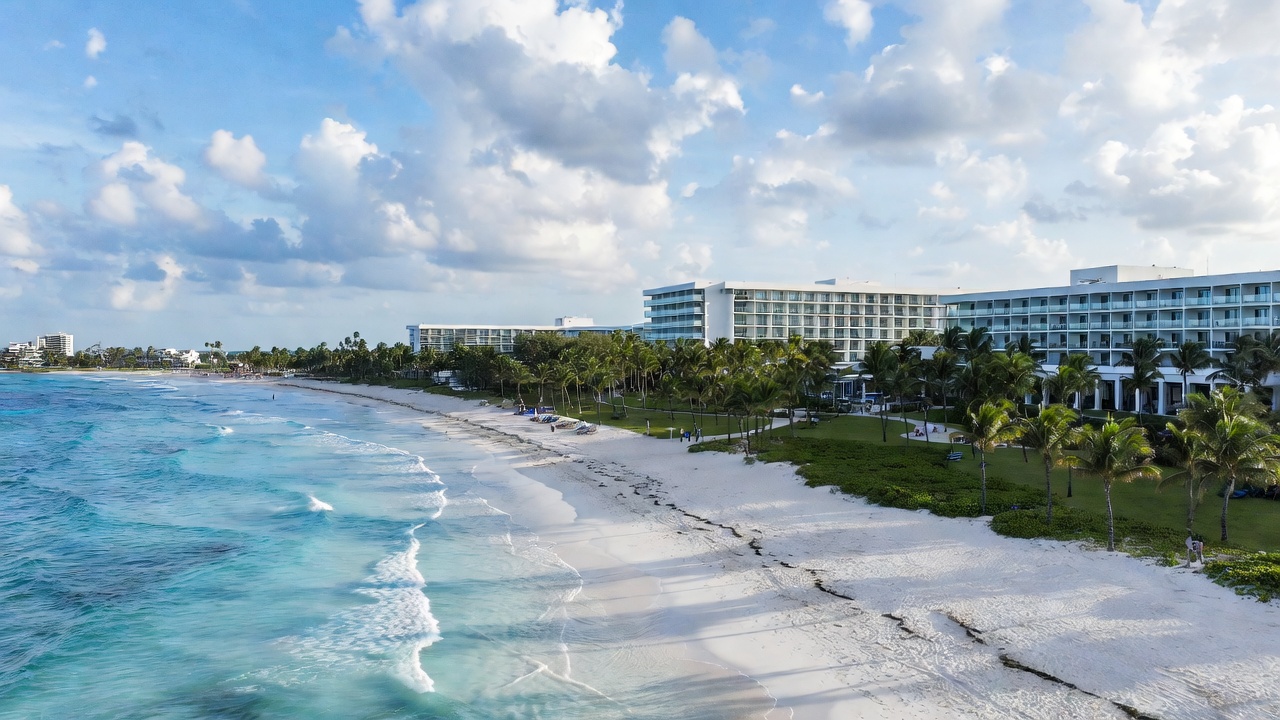
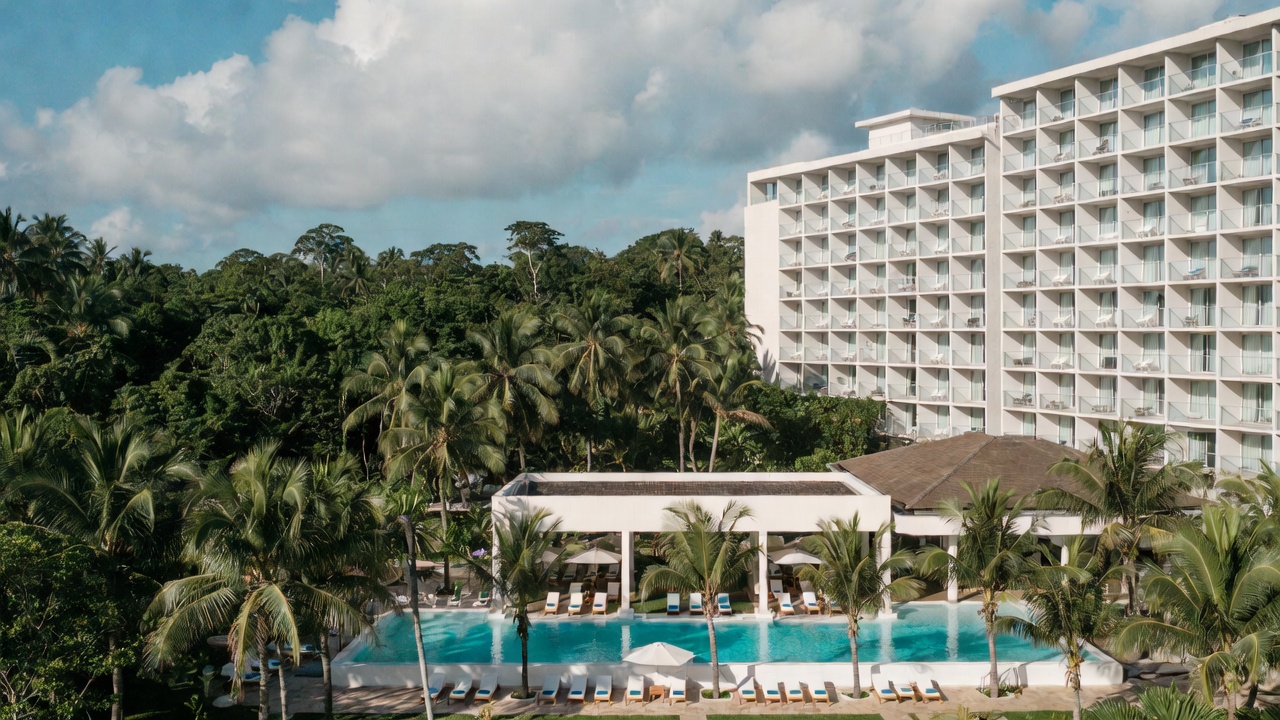
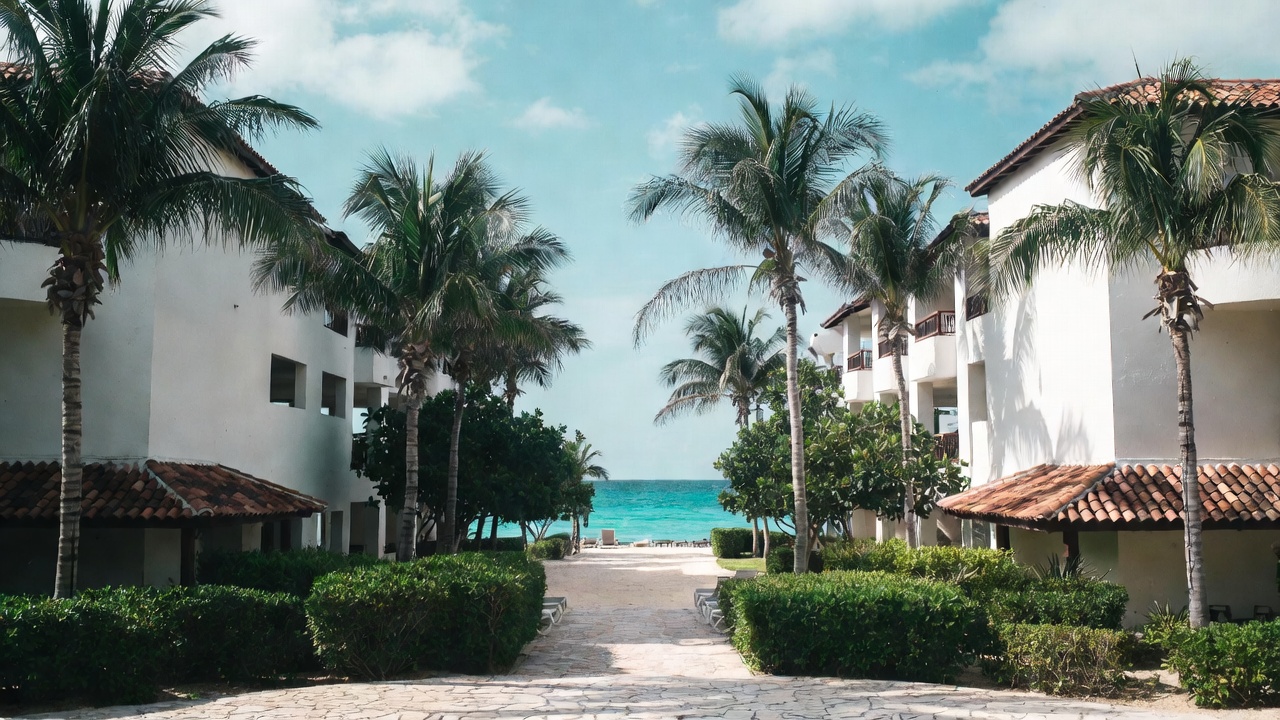
For travelers planning all-inclusive resort trips, the dynamics Nassetta described are part of the backdrop that keeps Caribbean and Mexican destinations growing. As the U.S. becomes less competitive as an inbound destination globally, operators across the Dominican Republic, Mexico, Jamaica, and the wider region continue investing in new supply and amenities to capture outbound American demand. The Punta Cana market alone has more than a dozen new resort projects in various stages of development.
Nassetta was cautiously optimistic about near-term conditions for the industry overall. He cited declining housing costs, a deregulatory environment, and large-scale investment cycles in AI infrastructure and energy as tailwinds that would eventually support consumer spending — including leisure travel. For Hilton's all-inclusive resort portfolio, which is concentrated in Mexico and the Caribbean, that spending tends to flow toward warm-weather resort bookings when the domestic travel market feels stretched.
Geopolitical disruptions — Nassetta specifically mentioned the impact of the Iran conflict on Middle East hotels — add uncertainty to the global picture, but he said core demand signals in small-town American markets are strengthening, suggesting middle-class travel budgets are holding up.