
All-Inclusive Resort Weddings: Complete Planning Guide
A destination wedding at an all-inclusive resort combines the romance of a tropical ceremony with the convenience of having every detail — from catering to accommodations — handled under one roof. For couples who dream of exchanging vows on a white-sand beach with turquoise water as their backdrop, all-inclusive resorts in the Caribbean and Mexico offer wedding packages that simplify planning while delivering an unforgettable experience.
Whether you envision an intimate elopement for two or a grand celebration with a hundred guests, this guide walks you through every aspect of planning an all-inclusive resort wedding. From understanding package tiers and legal requirements to managing guest logistics and staying within budget, you will find everything you need to plan the destination wedding of your dreams.
Why Choose an All-Inclusive Resort for Your Destination Wedding
Planning a wedding is stressful enough when every vendor is in your hometown. Add in a foreign destination, and the complexity multiplies. All-inclusive resorts solve this problem by serving as a one-stop wedding venue. The resort provides the ceremony location, reception space, catering, bar service, floral arrangements, photography, cake, and often even the officiant. Instead of coordinating dozens of independent vendors, you work with a single on-site wedding coordinator who manages every detail.
The financial predictability is another major draw. Traditional weddings are notorious for budget overruns — unexpected costs from caterers, bartenders, venue rentals, and decoration companies can push the final bill far beyond initial estimates. At an all-inclusive resort, the wedding package price covers most or all of the essentials, and upgrades are presented as clear line items with transparent pricing. You know what you are paying before you commit.
For your guests, the all-inclusive format is equally appealing. Instead of attending a single-evening event and then finding their own entertainment for the rest of the trip, your wedding guests get a full vacation. Their room, meals, drinks, and activities are all included in one booking. This makes it far easier to convince friends and family to make the trip, especially when the alternative is an expensive weekend in a major city. Many couples find that their destination wedding guest list, while smaller than a hometown wedding, consists entirely of people who genuinely want to be there.
The natural beauty of resort destinations also eliminates the need for extensive decoration. When your ceremony takes place on a pristine beach at sunset or in a lush tropical garden, the scenery does most of the decorating work. This reduces costs while creating a visual backdrop that no banquet hall can compete with. The resulting wedding photos are consistently stunning — golden hour light, crystal-clear water, and tropical greenery make every shot look professionally styled.
Pro Tip
Many resorts offer a free wedding package when you book a minimum number of room nights (typically 5-7 nights across your group). This means the ceremony itself may cost nothing beyond your guests' normal vacation bookings.
All-Inclusive Wedding Packages Explained
Most all-inclusive resort brands offer tiered wedding packages ranging from complimentary basic ceremonies to premium packages costing several thousand dollars. Understanding what each tier includes helps you choose the right level for your celebration and avoid paying for upgrades you do not need.
The complimentary or basic tier is typically offered free when your group books a minimum number of room nights. This package usually includes the ceremony setup with basic decor, a small bouquet and boutonniere, a wedding cake for a limited number of guests, a bottle of sparkling wine for the toast, and a basic sound system. An officiant (civil judge or non-denominational minister) is generally included. This tier is ideal for intimate elopements or couples who want a simple, no-fuss ceremony.
The mid-tier package, usually priced between $1,500 and $5,000, adds upgrades such as premium floral arrangements, an enhanced dinner reception for your group, a professional photographer for one to two hours, a live musician or DJ, upgraded cake and champagne, and possibly spa credits for the couple. This is the most popular tier, offering a balance of personalization and value.
The premium tier, ranging from $5,000 to $15,000 or more, delivers a full-production wedding experience. Expect extensive floral design, a private reception venue, multi-hour professional photography and videography, live entertainment, premium open bar with top-shelf spirits, a multi-course reception dinner with customized menu, printed invitations and programs, wedding favors for guests, and dedicated coordination from a senior wedding planner. Some premium packages also include rehearsal dinner arrangements and morning-after brunch.
Beyond the standard tiers, most resorts offer a la carte add-ons that let you customize any package. Common additions include fireworks displays, horse-drawn carriage rides, drone photography, additional floral arrangements, upgraded lighting and draping, specialty cocktail hours, and late-night snack stations. These add-ons can be mixed and matched with any package tier.
Sandals is widely recognized for offering some of the most comprehensive complimentary wedding packages in the industry, with their free "Beautiful Beginnings" package available to any couple booking a minimum three-night stay. Palace Resorts and Karisma Hotels are known for their premium, highly customizable wedding experiences with dedicated planning teams.
Pro Tip
Request an itemized list of exactly what is included in each package tier, and compare it against your must-have list before upgrading. Couples frequently find that the mid-tier package covers 90% of their priorities, and the remaining items can be added a la carte for less than the premium upgrade cost.
| Package Tier | Typical Cost | Best For | Key Inclusions |
|---|---|---|---|
| Complimentary/Basic | Free (with min. room block) | Elopements, ultra-simple ceremonies | Basic ceremony setup, small bouquet, cake for 10, sparkling wine toast |
| Mid-Tier | $1,500–$5,000 | Most couples (20-40 guests) | Enhanced decor, photographer (1-2 hrs), dinner reception, live music or DJ, upgraded cake |
| Premium | $5,000–$15,000+ | Full-production weddings (40+ guests) | Private venue, full photo/video, premium bar, custom menu, rehearsal dinner, dedicated planner |
| A La Carte Add-Ons | $200–$3,000 each | Customizing any tier | Fireworks, drone video, extra florals, late-night food stations, spa packages |
Choosing Your Ceremony and Reception Venue
All-inclusive resorts typically offer multiple ceremony and reception locations on property, each creating a distinct atmosphere for your wedding. The venue you choose sets the tone for the entire event, so it is worth understanding your options before committing to a resort.
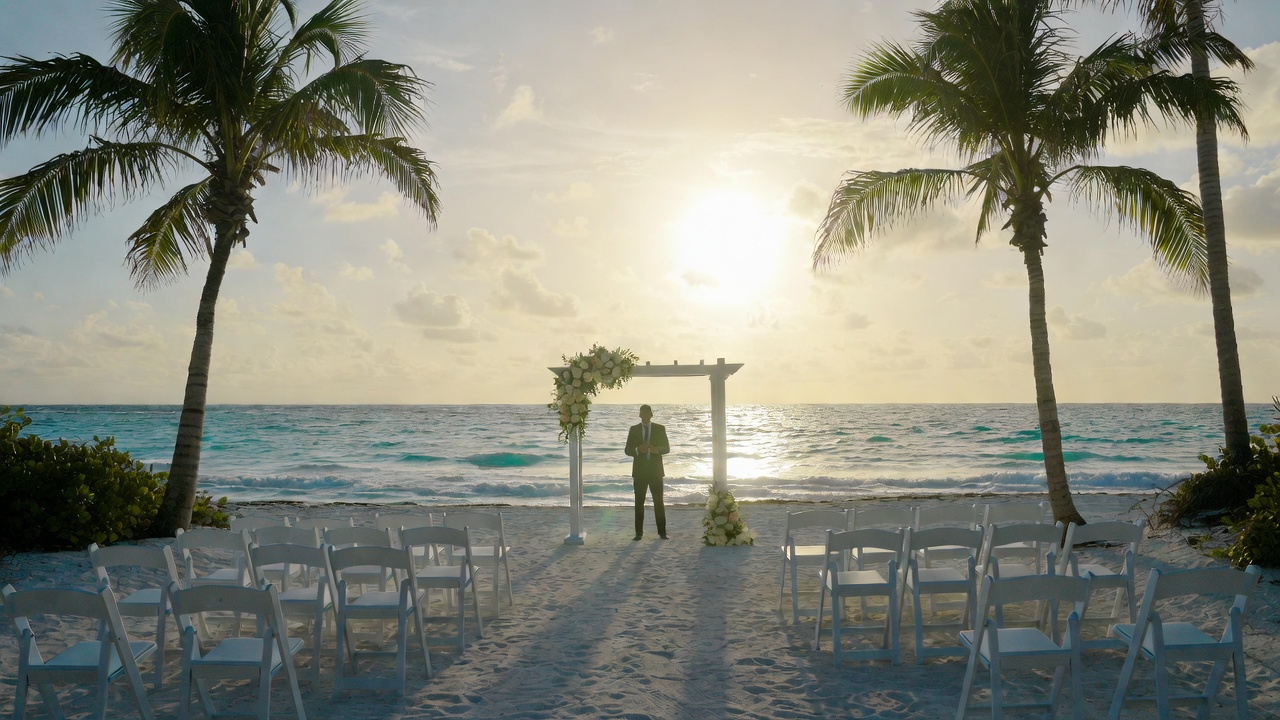
The beachfront ceremony is the most iconic destination wedding setting. Most Caribbean and Mexican resorts offer a dedicated beach wedding area with an arch or gazebo, aisle runner on the sand, and chairs arranged facing the ocean. The natural beauty is unmatched, but beach ceremonies come with practical considerations: wind can disrupt hairstyles, decorations, and candles; sand makes high heels impractical; and midday sun can be uncomfortably hot for guests. Schedule beach ceremonies for late afternoon or sunset to avoid the harshest heat and capture the best light for photographs.
The garden ceremony offers a lush, manicured setting with tropical flowers, mature trees, and landscaped pathways. Gardens provide more natural shade than the beach, making them comfortable for guests throughout the day. Many resorts have purpose-built wedding gardens with permanent gazebos, stone pathways, and integrated lighting for evening ceremonies. This setting photographs beautifully and feels more traditionally "wedding-like" than the beach while still being distinctly tropical.
The chapel or indoor venue provides a climate-controlled option that eliminates weather concerns entirely. Some resorts, particularly Sandals and Palace Resorts properties, have purpose-built over-water chapels or architecturally stunning indoor ceremony spaces. These venues are ideal for couples who want the destination wedding experience without the unpredictability of outdoor elements.
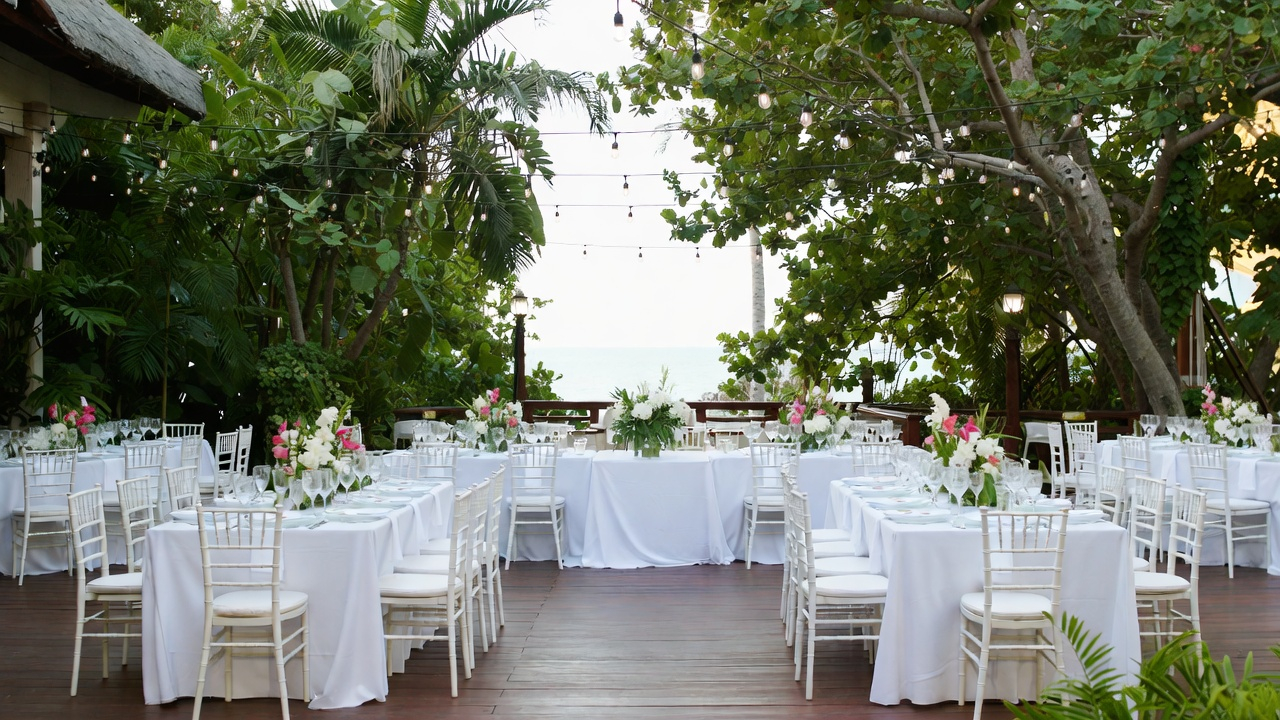
For the reception, you will typically choose between a private section of the resort's main restaurant, a dedicated event terrace or ballroom, a beachside dinner setup, or a poolside cocktail party format. Private reception spaces command premium pricing but ensure your group has an exclusive, intimate experience. Semi-private arrangements in a resort restaurant are more affordable and still create a festive atmosphere. Ask about noise levels and proximity to other guest areas when evaluating reception venues — you want your celebration to feel private, not like an island in a public dining room.
Pro Tip
Visit the resort's wedding gallery on their website and search for real wedding photos on Instagram using the resort's hashtag. This gives you an honest view of what each venue actually looks like during a wedding, rather than the styled professional shots in the brochure.
Guest Logistics and Room Blocks
Managing guest logistics is one of the most challenging aspects of a destination wedding. Unlike a local wedding where guests drive to a venue for an evening, a destination wedding asks guests to commit significant time and money. Thoughtful planning and clear communication make the difference between a guest list filled with enthusiastic attendees and one plagued by regrets and no-shows.
Start by securing a group room block at the resort as early as possible — ideally 12 to 18 months before the wedding date. A room block reserves a set number of rooms at a negotiated group rate, which is typically 10 to 30 percent below the standard booking price. Most resorts require a minimum number of rooms (often 10 to 20) to qualify for group pricing and a dedicated group coordinator. The group rate has a cutoff date, usually 60 to 90 days before the wedding, after which unbooked rooms are released back to general inventory.
Communication with your guests should begin early and be clear about costs. Send a save-the-date 12 months in advance with estimated per-person costs, the booking link or agent contact, and the deadline for reserving rooms at the group rate. Many couples create a wedding website with detailed travel information, including airport options, transfer arrangements, and a packing guide for the destination. Be transparent about what is included in the room rate and what additional costs guests should expect.
Consider airport transfers carefully. Many all-inclusive resorts offer group transfer packages that shuttle your wedding party from the airport to the resort. This is a worthwhile investment because it eliminates the stress of guests navigating unfamiliar airports and taxi systems, and it starts the group bonding experience the moment everyone arrives. If transfers are not included in your room block agreement, research reputable transfer companies and share the booking information with your guests.
Create a welcome packet for guests arriving at the resort. A tote bag or basket in their room with a personalized welcome note, weekend itinerary, local tips, sunscreen, snacks, and perhaps a small bottle of local rum or tequila sets a warm, hospitable tone. Many resorts will distribute these to rooms on your behalf if you ship them in advance.
Plan group activities beyond the ceremony and reception. A welcome cocktail party the evening before the wedding, a group excursion (snorkeling, catamaran cruise, or cultural tour), and a farewell brunch the morning after are standard destination wedding events. These create shared memories and justify the travel investment for your guests. Most all-inclusive resorts can arrange these group events through their events coordinator.
Pro Tip
Negotiate a complimentary room for the bride and groom as part of your room block agreement. Most resorts will offer this when your group books 15 or more rooms. Also ask about a free room upgrade for the wedding couple to the honeymoon or bridal suite.
Legal Requirements for Destination Weddings by Location
One of the most frequently overlooked aspects of planning a destination wedding is ensuring the marriage is legally valid. Legal requirements vary significantly by country, and failing to meet them can mean your beautiful ceremony is symbolic rather than legally binding. Understanding the requirements for your chosen destination is essential.
Jamaica is one of the easiest Caribbean destinations for legal weddings. Couples must be on the island for at least 24 hours before the ceremony. Required documents include valid passports, certified copies of birth certificates, and proof of single status if applicable (divorce decrees or death certificates from previous marriages). Parental consent is required if either party is under 18. A marriage officer performs the ceremony, and Sandals resorts in Jamaica handle all the legal paperwork as part of their wedding packages, making the process virtually effortless for couples.
Mexico has more involved legal requirements. Couples need blood tests performed in Mexico (within the preceding 14 days), valid passports, birth certificates, and tourist cards. If previously married, original divorce decrees or death certificates are required with apostille certification and official Spanish translations. Four witnesses (two per partner) must be present. Many couples opt for a symbolic ceremony in Mexico and complete the legal paperwork at home, which simplifies the process considerably.
The Dominican Republic requires couples to submit documents at least 15 business days before the wedding. Necessary documents include passports, birth certificates, and a sworn declaration of single status. All documents must be translated into Spanish by an authorized translator and authenticated. Divorce decrees, if applicable, require additional processing. Most resorts in Punta Cana have established relationships with local legal offices and handle this paperwork for couples.
The Bahamas requires couples to be present in the country for at least one day before the ceremony. A marriage license costs approximately $120 and requires valid passports, proof of arrival date, and certified divorce or death certificates if applicable. The Bahamas is considered one of the more straightforward Caribbean destinations for legal ceremonies.
Turks and Caicos requires couples to be on the island for at least three days before the ceremony. A marriage license is obtained from the Registrar's Office and requires passports, birth certificates, and proof of single status. The three-day requirement is important to factor into your travel timeline.
Pro Tip
Consider having a legal courthouse ceremony at home before your trip and a symbolic destination ceremony at the resort. This eliminates all legal paperwork stress, allows you to focus entirely on the celebration, and means your resort ceremony can be performed by anyone — a friend, family member, or the resort's event coordinator — rather than a licensed officiant.
| Destination | Residency Requirement | Blood Test Required | Key Documents | Processing Time | Difficulty Level |
|---|---|---|---|---|---|
| Jamaica | 24 hours on island | No | Passports, birth certificates, proof of single status | Same day possible | Easy |
| Mexico | None (but paperwork is complex) | Yes (in-country) | Passports, birth certificates, blood tests, 4 witnesses, Spanish translations | 2-4 weeks in advance | Moderate to Complex |
| Dominican Republic | None | No | Passports, birth certificates, sworn single-status declaration, Spanish translations | 15+ business days | Moderate |
| The Bahamas | 1 day on island | No | Passports, proof of arrival, birth certificates | Same day possible | Easy |
| Turks & Caicos | 3 days on island | No | Passports, birth certificates, proof of single status | 3+ days | Easy to Moderate |
| Aruba | None | No | Passports, birth certificates, declaration of single status | 14+ days | Easy to Moderate |
Best All-Inclusive Brands for Destination Weddings
Not all all-inclusive brands approach weddings with the same level of expertise and dedication. Some brands have made destination weddings a cornerstone of their identity, with dedicated wedding departments, experienced coordinators, and purpose-built wedding venues. Choosing a brand with a proven wedding track record can mean the difference between a seamlessly executed celebration and a stressful experience with logistical hiccups.
Sandals and its family-friendly sister brand Beaches are arguably the most recognized names in all-inclusive destination weddings. Sandals hosts thousands of weddings annually across their Caribbean properties and has refined their wedding program to an art form. Their complimentary "Beautiful Beginnings" package is genuinely generous, and their tiered upgrade options are clearly priced and well-executed. Each Sandals resort has dedicated wedding venues — including over-water chapels at select properties — and a team of wedding planners who handle everything from legal paperwork to floral design. The Sandals Royal Barbados rooftop ceremony space is particularly stunning.
Palace Resorts in Mexico's Riviera Maya and Cancun corridor caters to couples seeking luxury destination weddings with extensive customization options. Their properties feature dramatic wedding venues including beachfront terraces, rooftop infinity pools, and architecturally stunning indoor spaces. Palace Resorts is known for their attention to design detail and ability to execute elaborate, Pinterest-worthy wedding aesthetics. Their wedding packages tend to be pricier than competitors, but the production value is consistently high.
Karisma Hotels & Resorts, which operates the El Dorado and Azul brands in Mexico, has earned a devoted following among destination wedding couples. Their Gourmet Inclusive concept means wedding reception dining is several cuts above the standard all-inclusive fare. The overwater bungalows at El Dorado Maroma provide one of the most dramatic ceremony backdrops in the Mexican Caribbean. Karisma's wedding coordinators are frequently praised for their responsiveness and personal touch.
Secrets Resorts and Dreams Resorts, both operated by Hyatt, offer adults-only and family-friendly wedding options respectively. Their wedding programs are well-structured with clear package tiers, and their properties across Mexico and the Caribbean provide diverse venue options. The Preferred Club upgrade at these resorts gives wedding couples and their VIP guests access to premium areas and enhanced services.
Excellence Resorts delivers a boutique luxury wedding experience with smaller, more intimate properties and highly personalized service. Their adults-only format creates a sophisticated atmosphere, and their wedding packages reflect a commitment to quality over volume. Excellence Playa Mujeres and Excellence Riviera Cancun are particularly popular wedding destinations.
Pro Tip
Ask each resort how many weddings they host per day and what their policy is on overlapping ceremonies. The best resorts limit weddings to one or two per day and ensure at least two hours between ceremonies so that no couple feels rushed or shares their moment with strangers.
Budgeting Your All-Inclusive Resort Wedding
One of the most compelling arguments for an all-inclusive resort wedding is cost savings compared to a traditional hometown wedding. While the numbers vary widely depending on guest count, destination, and package tier, most couples find that an all-inclusive destination wedding costs 40 to 60 percent less than an equivalent celebration at home. However, budgeting accurately requires understanding all the cost components.
The couple's travel and accommodation is your base cost. Expect to pay for 5 to 7 nights at the resort in a premium room category, plus airfare for two. Depending on the resort and season, this ranges from $3,000 to $8,000 for the couple. Many resorts offer a complimentary room upgrade or free nights for the wedding couple when a minimum room block is booked, so negotiate this early.
The wedding package itself is the most visible cost. As outlined above, this ranges from free (complimentary tier with room block) to $15,000 or more for premium packages. Most couples spend between $2,000 and $6,000 on their wedding package, which covers the ceremony setup, basic reception, photography, and coordination. Budget an additional $1,000 to $3,000 for a la carte upgrades — most couples add at least a few extras such as enhanced photography, upgraded florals, or a private reception dinner.
Guest-related costs are where budgets can expand quickly if you are not careful. Traditionally, guests pay for their own travel and accommodation at a destination wedding, which is widely considered acceptable etiquette. However, many couples choose to cover certain group expenses such as a welcome cocktail party, farewell brunch, group excursion, or welcome gift bags. Budget $50 to $150 per guest for these hospitality extras.
Attire and beauty costs are similar to a hometown wedding: wedding dress or suit, alterations, accessories, hair and makeup (many resorts have on-site salons, or you can hire a local stylist), and any attendant gifts. Budget $2,000 to $5,000 for the couple's attire and grooming, depending on your preferences.
Miscellaneous costs include travel insurance (essential for a destination wedding — see our travel insurance guide), marriage license fees, document authentication and translation, tips for resort staff (budget $200 to $500 for the wedding coordination team), and any post-wedding activities like a honeymoon extension at the same or different resort.
In total, most couples spend between $8,000 and $25,000 on their all-inclusive resort wedding including travel, compared to the average U.S. wedding cost of approximately $35,000 to $40,000. The savings are real, and the experience — a week-long celebration in paradise rather than a single stressful evening — is arguably priceless.
Pro Tip
Create a spreadsheet with three columns: Must Have, Nice to Have, and Skip. Place every wedding element into one of these columns. This ensures you allocate your budget to the things that matter most to you as a couple and avoid spending on items that look appealing in a brochure but will not meaningfully improve your day.
| Budget Category | Low Estimate | Mid Estimate | High Estimate | Notes |
|---|---|---|---|---|
| Couple's travel & accommodation (5-7 nights) | $3,000 | $5,000 | $8,000 | Negotiate free upgrade with room block |
| Wedding package | $0 (complimentary) | $3,000 | $15,000+ | Complimentary tier often sufficient for small weddings |
| A la carte upgrades | $500 | $2,000 | $5,000 | Photography upgrades are most popular add-on |
| Guest hospitality (welcome party, brunch, gifts) | $500 | $2,000 | $5,000 | Based on 20-40 guests at $50-$150 each |
| Attire and beauty | $1,000 | $3,000 | $5,000 | On-site salon often more affordable than home |
| Legal fees, tips, insurance, miscellaneous | $500 | $1,000 | $2,000 | Travel insurance is non-negotiable |
| Total estimated budget | $5,500 | $16,000 | $40,000+ | Average is $10,000-$20,000 for most couples |


