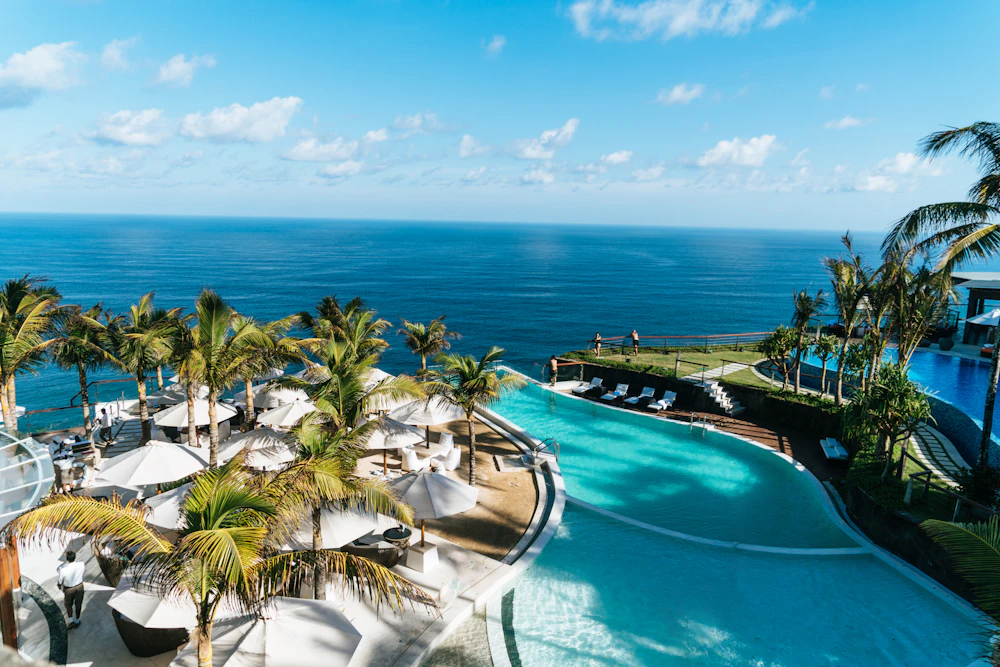
All-Inclusive Resorts in Vietnam
Vietnam is rapidly emerging as a captivating destination for all-inclusive resort experiences, setting itself apart from traditional hotspots with a unique blend of rich cultural immersion, breathtaking natural beauty, and a burgeoning selection of luxurious accommodations. Travelers here discover a more refined approach to all-inclusive holidays, where the emphasis is on tailored experiences, exceptional quality, and authentic engagement rather than grand-scale, unlimited entertainment.
This vibrant country offers an incredible array of backdrops for your all-inclusive escape, from the pristine white sands of Phu Quoc Island and the dramatic limestone karsts of Ha Long Bay to the historical charm of Hoi An and the bustling energy of coastal cities like Nha Trang. All-inclusive resorts in Vietnam serve as perfect bases for exploring ancient wonders, indulging in thrilling water sports, unwinding with world-class spa treatments, or simply savoring exquisite beachfront dining.
Whether you're seeking a serene romantic getaway, an adventure-filled family vacation, or a wellness-focused retreat, Vietnam's evolving all-inclusive scene promises an unforgettable journey. With a growing presence of esteemed international brands alongside renowned local players, you can anticipate a vacation that seamlessly blends comfort, convenience, and genuine Vietnamese charm.
All-Inclusive in Vietnam
Vietnam's all-inclusive landscape is thriving, with both globally recognized brands and strong local players establishing a significant presence. You'll find esteemed names like Hyatt, Hilton, Meliá, Accor Group, and the soon-to-open Club Med Ho Tram, offering a spectrum of luxurious options. Complementing these are prominent Vietnamese brands like Vinpearl, known for their expansive resorts and diverse amenities across key destinations. This blend ensures a rich selection, from boutique and wellness-focused resorts to large family-friendly complexes.
While specific, standardized price ranges are still evolving, travelers can expect a good array of options. Budget-friendly all-inclusive packages (often closer to full-board with perks) might start around $60-$100 USD per night. Mid-range all-inclusive resorts, offering comfortable accommodations, diverse dining, and a good selection of activities, typically range from $150-$300 USD per night. For a true luxury all-inclusive experience, encompassing private villas, gourmet dining, premium beverages, and extensive spa inclusions, prices can range from $300 to $800+ USD per night, with properties like Regent Phu Quoc leading the way.
What 'all-inclusive' typically covers in Vietnam leans towards a tailored, quality experience. Expect luxurious accommodation, three daily meals (often a mix of buffets and à la carte), and a variety of alcoholic and non-alcoholic beverages. While some packages include premium drinks, it's essential to check specific inclusions. Many resorts integrate activities like non-motorized water sports, access to pools, fitness centers, and kids' clubs. High-end all-inclusive resorts may also offer spa credits, wellness programs, and even select excursions or transfers, creating a truly hassle-free vacation experience.
Best Time to Visit Vietnam
Vietnam's elongated geography results in varied regional climates, making it a viable year-round all-inclusive destination depending on your chosen region. Generally, the shoulder seasons of Spring (March-May) and Autumn (September-November) are often considered the overall best times to visit, offering pleasant weather with lower rainfall and more reasonable prices across the country. Specifically, March to April stands out for mild temperatures and low rainfall nationwide.
For Northern Vietnam (Ha Long Bay, Hanoi), Spring (March-April) and Autumn (September-November) are warm and sunny, ideal for cruises and sightseeing. Central Vietnam (Da Nang, Hoi An, Nha Trang) enjoys its best weather from February to August, perfect for beach activities and exploring ancient towns. Southern Vietnam (Phu Quoc, Ho Chi Minh City) is best experienced during its warm and dry season from December to April, with Phu Quoc being a tropical paradise during December and January.
Conversely, be aware of the rainy/typhoon season in Central Vietnam from September to December, which can bring heavy rainfall and potential flooding. Southern Vietnam's rainy season from May to November typically features hot, humid weather with short, heavy afternoon showers. Prices for all-inclusive resorts and flights tend to be higher during peak seasons, such as July-August for beaches, December-April for Southern Vietnam, and major holidays like Christmas, New Year, and Tet. Booking during the shoulder or low seasons can significantly reduce costs and offer a more serene all-inclusive vacation.
Top Resort Areas in Vietnam
Phu Quoc Island
Known as the "Pearl Island," Phu Quoc is a tropical haven with pristine beaches, clear waters, and lush national parks. All-inclusive resorts like Meliá and Regent Phu Quoc offer luxurious stays with abundant water sports, spa treatments, and stunning beachfront dining, making it a prime choice for relaxation and adventure.
Da Nang & Hoi An
This central Vietnam region perfectly blends historical charm with beautiful coastlines. Resorts like Hyatt Regency Da Nang and Fusion Maia Da Nang provide access to My Khe Beach, Marble Mountains, and the UNESCO-listed Hoi An Ancient Town, offering a rich cultural experience alongside beach relaxation. Lang Co is particularly noted for family-friendly all-inclusive options.
Nha Trang
A vibrant coastal city famed for its long sandy beaches and clear waters, Nha Trang is a hub for all-inclusive packages that often include exciting activities like snorkeling and diving. With new additions like Hyatt Regency Nha Trang, this area continues to grow as a popular destination for both active and leisurely all-inclusive holidays.
Ha Long Bay
A UNESCO World Heritage Site, Ha Long Bay offers an unparalleled all-inclusive experience centered around its dramatic limestone karsts and emerald waters. All-inclusive packages here uniquely include multi-day cruises with diverse accommodation options, allowing for intimate exploration of hidden caves, lagoons, and floating villages.
Mui Ne
This picturesque coastal town is known for its serene beaches, unique sand dunes, and tranquil atmosphere. Mui Ne offers luxury all-inclusive stays with private beach access and diverse dining options, appealing to those seeking a quieter, upscale retreat focused on relaxation and natural beauty.
Why Choose All-Inclusive in Vietnam
- 1
Experience seamless cultural immersion, where your all-inclusive resort serves as a gateway to local markets, ancient towns like Hoi An, and vibrant culinary traditions without the hassle of planning every detail.
- 2
Indulge in unparalleled natural beauty, with all-inclusive resorts offering direct access to the pristine beaches of Phu Quoc, the iconic limestone karsts of Ha Long Bay, or the serene coastlines of Da Nang.
- 3
Enjoy luxurious, tailored experiences that prioritize quality over quantity, with resorts like Fusion's all-inclusive spa concepts or the opulent Regent Phu Quoc offering bespoke services and gourmet dining.
- 4
Benefit from exceptional family-friendly amenities, as many all-inclusive resorts such as Vinpearl properties and Hyatt Regency Da Nang provide extensive kids' clubs, multiple pools, and engaging activities for all ages.
- 5
Discover incredible value for a luxury vacation compared to many established all-inclusive destinations, allowing you to enjoy world-class service and amenities without the premium price tag.
- 6
Access wellness-focused retreats and activities, from Hilton's first Onsen Resort in Southeast Asia to resorts offering yoga, spa credits, and healthy dining, promoting relaxation and rejuvenation throughout your all-inclusive stay.
Travel Tips for Vietnam
Getting There
Most international visitors arrive via major airports like Hanoi Noi Bai (HAN), Ho Chi Minh City Tan Son Nhat (SGN), or Da Nang (DAD). Vietnam Airlines offers direct flights from major hubs in the US (SFO) and Europe (LHR, CDG, FRA), with connecting flights widely available. For seamless travel to your all-inclusive resort, pre-booking private airport transfers or shared shuttles is highly recommended, especially for islands like Phu Quoc or coastal areas like Nha Trang.
Currency & Tipping
The local currency is the Vietnamese Dong (VND). While tipping is not traditionally mandatory, it's increasingly appreciated in tourist areas for good service. For all-inclusive resorts, consider tipping bellboys and housekeeping 20,000-50,000 VND ($1-2 USD) per service/day. In upscale restaurants or for exceptional service, 10-15% is appropriate. Tour guides appreciate 100,000-200,000 VND per day. Tipping in VND is preferred over USD.
What to Pack
For your all-inclusive resort stay in Vietnam, pack light, breathable clothing suitable for a tropical climate, including swimwear, shorts, and T-shirts. Bring reef-safe sunscreen, a wide-brimmed hat, sunglasses, and insect repellent. Comfortable walking shoes are essential for excursions to cultural sites or national parks. Consider a light rain jacket if traveling during the rainy season, and don't forget your camera for stunning photo opportunities.
Beyond the Resort
Vietnam's all-inclusive resorts are excellent launching points for unforgettable excursions. From Da Nang, explore the UNESCO-listed Hoi An Ancient Town and My Son Sanctuary. In Phu Quoc, visit the vibrant Dinh Cau Night Market or Phu Quoc National Park. A Ha Long Bay cruise is a must-do for its breathtaking scenery. Many resorts also offer cooking classes, cycling tours to local villages, and various water sports, allowing you to dive deeper into local culture and nature.
Frequently Asked Questions
What is the best all-inclusive resort in Vietnam?
The 'best' all-inclusive resort in Vietnam depends on your preferences. For luxury and tailored experiences, consider Regent Phu Quoc or Fusion resorts known for their unique spa-inclusive concepts. For families, Vinpearl properties across Nha Trang and Phu Quoc, or Hyatt Regency Da Nang, offer extensive amenities. New additions like Hilton Quang Hanh Onsen Resort also provide unique wellness-focused options.
How much does an all-inclusive resort in Vietnam cost?
All-inclusive resort prices in Vietnam vary widely. Budget options might start around $60-$100 USD per night, while mid-range resorts typically cost $150-$300 USD per night. For luxury experiences with premium inclusions, expect to pay $300 to $800+ USD per night. Prices are subject to seasonality and specific package details.
Is Vietnam good for all-inclusive resorts?
Absolutely! Vietnam is an excellent and emerging destination for all-inclusive resorts. It offers a unique blend of cultural immersion, stunning natural beauty, and a focus on quality, tailored experiences rather than generic, large-scale entertainment. The growing presence of international and local luxury brands ensures a high standard of service and amenities.
Are all-inclusive resorts in Vietnam worth it?
Yes, all-inclusive resorts in Vietnam are definitely worth it for a hassle-free and enriching vacation. They offer excellent value by bundling luxurious accommodations, gourmet dining, drinks, and a variety of activities and cultural excursions. This allows you to relax and fully immerse yourself in Vietnam's beauty and culture without worrying about daily budgeting or planning.
What does all-inclusive include in Vietnam?
Typically, an all-inclusive package in Vietnam includes luxurious accommodation, three meals a day (buffets and à la carte), and a selection of alcoholic and non-alcoholic beverages. Many packages also cover resort activities, non-motorized water sports, access to pools, fitness centers, and kids' clubs. Premium packages may include spa credits, transfers, and specific excursions, so always check the details.
When is the cheapest time to visit Vietnam?
The cheapest time to visit Vietnam for all-inclusive resorts is generally during the shoulder or low seasons. This often includes late Spring (May-June) and early Autumn (September-October), avoiding major holidays and peak beach seasons. Traveling during the respective regional rainy seasons (e.g., Central Vietnam: Sept-Dec; Southern Vietnam: May-Nov) can also yield lower prices.
Are there adults-only all-inclusive resorts in Vietnam?
Dedicated adults-only all-inclusive resorts are less common but growing in Vietnam. P'apiu in Ha Giang is explicitly known as the first all-inclusive adults-only resort for couples. While many resorts are family-friendly, some offer adults-only zones, pools, or specific experiences to cater to those seeking a more tranquil and romantic all-inclusive escape.
Do I need a visa for an all-inclusive trip to Vietnam?
Most foreign visitors need a visa for Vietnam. Citizens from many countries can apply for an e-visa online, allowing a 90-day multiple-entry stay. Additionally, citizens from 13 countries (including the UK, Germany, France) can enjoy a visa exemption for up to 45 days. Always ensure your passport is valid for at least six months beyond your planned stay.
What kind of activities are included in Vietnam all-inclusive packages?
All-inclusive packages in Vietnam often include a wide range of activities such as non-motorized water sports (kayaking, paddleboarding), access to pools and fitness centers, kids' clubs, and cultural activities like cooking classes. Some premium packages may also cover spa treatments, guided tours to local villages, and even excursions to nearby attractions like Ha Long Bay cruises or ancient towns.
How does Vietnam's all-inclusive compare to Caribbean/Mexico?
Vietnam's all-inclusive offerings are more refined and culturally integrated compared to the Caribbean or Mexico. While traditional destinations emphasize large-scale entertainment and unlimited alcohol, Vietnam focuses on quality dining, wellness, authentic cultural experiences, and stunning natural backdrops. It's an evolving market offering a more intimate, less 'party-focused' luxury experience at a potentially more affordable price point.