All-Inclusive Resorts in Thailand
2
Resorts
2
Brands
Thailand's all-inclusive market is smaller and less standardized than the Caribbean or Turkey — most international visitors stay on room-only or bed-and-breakfast basis, eating out cheaply at local restaurants. That said, true all-inclusive options do exist, primarily in the premium and luxury segment. Club Med Phuket is the most recognizable, operating a classic all-inclusive model on Kata Beach. Centara Hotels & Resorts, a Thai chain with strong domestic and regional presence, offers full-board and all-inclusive packages at several properties in Krabi, Koh Samui, and Hua Hin.
Pricing reflects the luxury-skewed nature of this market. Budget-oriented all-inclusives barely exist here — if you want cheap meals in Thailand, you eat at street stalls outside the resort, which is both better and more affordable than what any all-inclusive could include. Where the all-inclusive model earns its keep in Thailand is at high-end properties in remote or scenic locations: Anantara Golden Triangle in Chiang Rai, Avani+ Khao Lak, or luxury resort islands where eating out isn't practically possible.
Mid-range all-inclusive packages at Amari or Pullman properties typically run $120–250/person/night. Club Med Phuket sits in the $180–350+ range depending on season. Luxury properties like Anantara or Meliá Phuket Mai Khao can reach $400–800+/person/night. The definition of what's included varies significantly by property — always read the fine print.
Resorts in Thailand
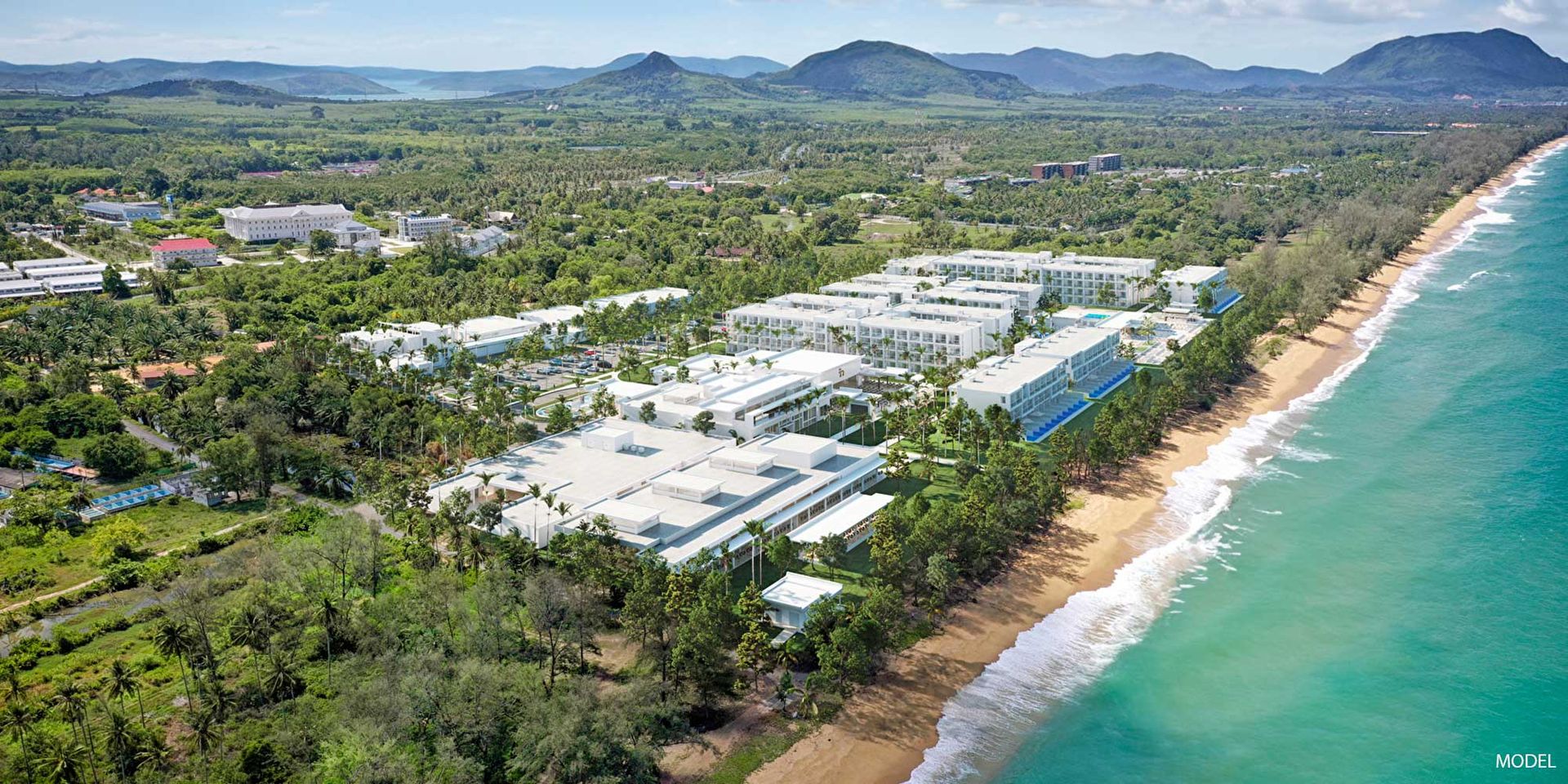
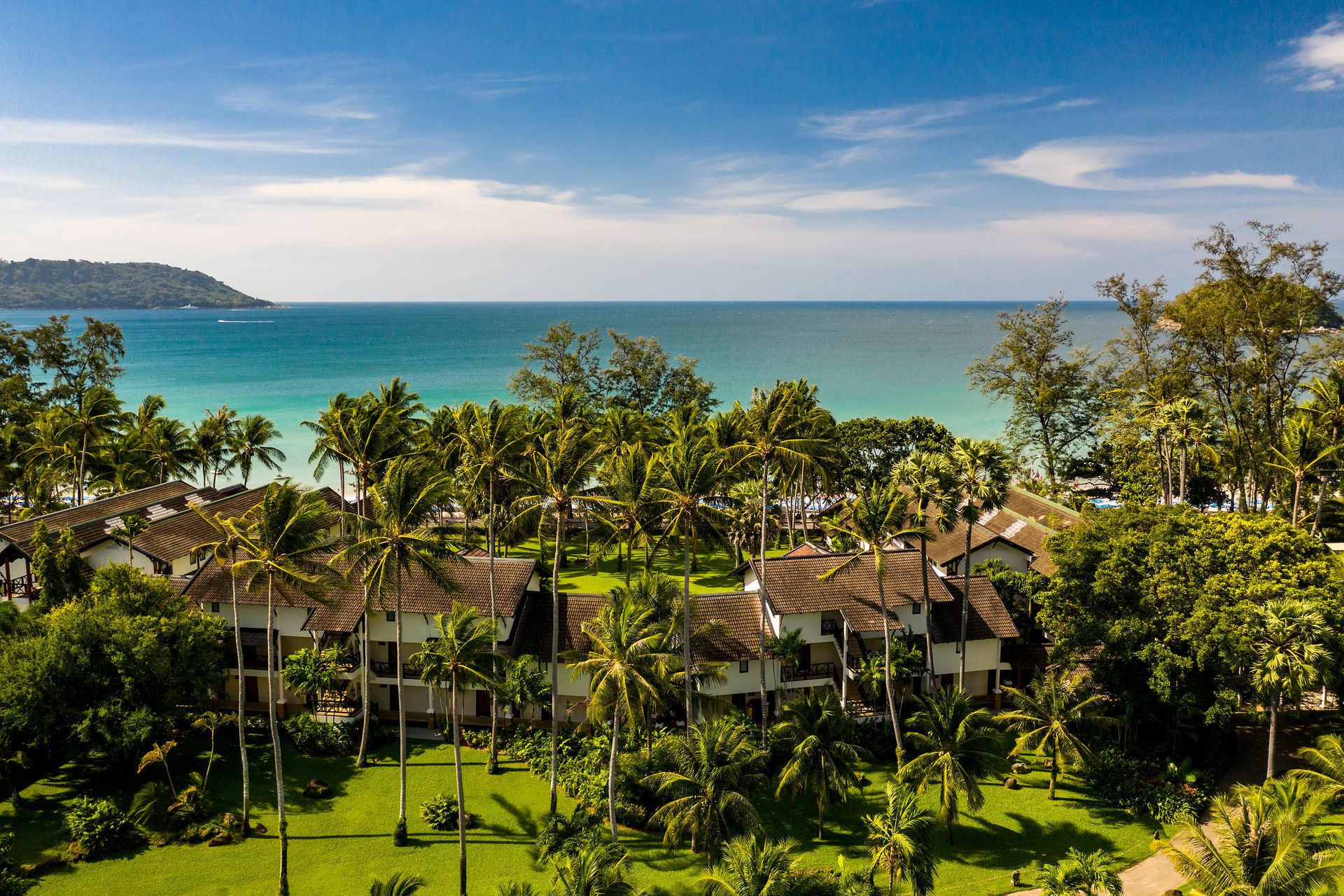
All-Inclusive in Thailand
Club Med Phuket operates the most recognized true all-inclusive program in Thailand: meals, local drinks, sports activities, evening entertainment, and basic water sports all included. It's positioned at a family-friendly mid-to-upper price point and sits on Kata Beach in the south of the island. Centara Hotels & Resorts is the next most active player, with full-board packages at Centara Grand Beach Resort & Villas Krabi and Centara Koh Chang Tropicana. Avani+ Khao Lak offers a well-regarded all-inclusive program north of Phuket in a quieter setting.
For something genuinely different, Anantara Golden Triangle Elephant Camp & Resort in Chiang Rai wraps accommodation, meals, and ethical elephant experiences into a package that reads as all-inclusive but costs substantially more than a beach resort — rooms start around $500/night. This is a niche product aimed at luxury travelers for whom the elephant sanctuary component is the point of the trip.
Standard all-inclusive packages in Thailand typically include three meals, soft drinks, local beer, and house wine during meal hours. Premium packages extend to free-flow drinks outside meal hours, minibar replenishment, and access to more specialty restaurants without surcharges. Spa treatments, premium spirits, motorized water sports, and off-site tours are almost universally excluded. Always verify what "all-inclusive" means at a specific property before booking.
Best Time to Visit Thailand
The optimal time to experience Thailand's all-inclusive resorts is during the Dry/Cool Season, running from November to February. This period offers pleasant temperatures (25°C–31°C or 77°F–88°F) and minimal rainfall, making it ideal for beach activities, island hopping, and cultural exploration. However, it's also the peak tourist season, leading to higher prices for all-inclusive resorts and flights, especially around the Christmas and New Year holidays, so booking well in advance is recommended.
The Hot Season, from March to May, sees temperatures rise significantly. While coastal areas can be more bearable, prices for all-inclusive packages may begin to decrease as the crowds thin out. For budget-conscious travelers, the Rainy/Monsoon Season (May/June to October) offers the lowest prices and fewer crowds. Although characterized by heavy downpours, these are often short-lived, leaving plenty of sunshine. The Gulf Coast islands like Koh Samui tend to experience less rain than the Andaman Coast (Phuket, Krabi) during certain months, offering a viable option for all-inclusive getaways during this 'green season.'
Thailand does not experience 'hurricane risk' but rather heavy monsoon-related rains. For the absolute best weather for an all-inclusive beach holiday, particularly in Southern Thailand, aim for November to April. Booking during the shoulder months of November or May can offer a good balance of pleasant weather and slightly reduced prices compared to the peak December-January period.
Top Resort Areas in Thailand
Phuket
Phuket is Thailand's largest island and the primary landing point for international resort visitors. The west coast has the main beach zones: Patong is the busiest and most commercial; Kamala is calmer and has Club Med; Karon and Kata are mid-range in both price and crowd density; Mai Khao in the north is quieter, home to higher-end properties like Meliá Phuket Mai Khao. All-inclusive options are concentrated in Kamala and the north — the other beaches mostly run room-only or BB.
Krabi
Krabi's coastline is defined by the limestone karst formations that rise out of the water around Ao Nang and Railay Beach. Centara Grand Beach Resort & Villas Krabi is the main all-inclusive anchor here, positioned on a quieter beach accessible by longtail boat. The area is better for scenery and day trips to the islands than Phuket, but has less resort infrastructure overall. Railay itself is only accessible by boat — no cars, no roads, which gives it a genuinely different feel.
Koh Samui
Koh Samui sits in the Gulf of Thailand, which means it follows a different weather calendar from the Andaman coast — its rainy season peaks October–December, while Phuket and Krabi are cleaner. Chaweng Beach is the main resort strip, lively and well-serviced. All-inclusive options are thinner here than on the Andaman coast; the island runs more on luxury villa stays and B&B boutique hotels. Worth considering specifically for November–February trips when Phuket's weather is less reliable.
Khao Lak
Khao Lak is a stretch of quiet beach coast about 80 km north of Phuket — no town center, no nightlife, just a long sandy beach backed by jungle and a national park. Avani+ Khao Lak is the main all-inclusive operation here, oriented toward families who want calm water and nature access without the Phuket crowds. The Similan Islands, among the best dive sites in Southeast Asia, are a day-trip boat ride from here.
Chiang Rai (Northern Thailand)
Chiang Rai is a fundamentally different category — no beach, no sea, and only one property that operates an all-inclusive package: Anantara Golden Triangle Elephant Camp & Resort. The package wraps luxury accommodation, meals, and daily ethical elephant activities into one price. It costs considerably more than a beach resort and attracts a specific traveler: someone for whom wildlife and cultural experience is the primary goal, not sun and swimming.
Why Choose All-Inclusive in Thailand
- 1
Enjoy a hassle-free vacation with most meals, drinks, and activities pre-paid, allowing you to fully relax and immerse yourself in the Thai experience.
- 2
Access world-class amenities, stunning beachfront locations, and exceptional Thai hospitality at resorts like Club Med Phuket or Centara Grand Beach Resort & Villas Krabi.
- 3
Experience the perfect blend of relaxation and adventure, with resorts offering on-site activities and easy access to island hopping, cultural tours, and national parks.
- 4
Benefit from diverse options catering to every traveler, from vibrant family-friendly resorts like Barceló Coconut Island Phuket to tranquil adults-only retreats such as The Shore at Katathani.
- 5
Discover unique cultural or nature-focused all-inclusive packages in Northern Thailand, like those at Anantara Golden Triangle Elephant Camp & Resort, for an unforgettable, immersive journey.
- 6
Secure predictable budgeting for your trip, making it easier to manage expenses, especially when traveling with family or a group.
Travel Tips for Thailand
Getting There
Most international travelers arrive in Thailand via Bangkok (BKK) or Phuket (HKT). Direct flights from major hubs like London can take around 12 hours, with many stopover options via Dubai, Hong Kong, or Abu Dhabi. For island resorts, internal flights to smaller airports (e.g., Krabi, Koh Samui) are common, followed by a coach or ferry transfer. Some all-inclusive resort packages may include airport transfers, so always check with your resort.
Currency & Tipping
The local currency is the Thai Baht (THB). While not strictly mandatory, tipping for good service is highly appreciated in tourist areas and at resorts, even if your all-inclusive package states gratuities are included. Small tips for bellhops, housekeepers, and spa therapists are customary. ATMs are widely available, and credit cards are accepted in most resorts and larger establishments.
What to Pack
Pack light, breathable clothing suitable for a tropical climate. Essentials include swimwear, sun protection (high SPF sunscreen, hat, sunglasses), comfortable sandals or flip-flops, and mosquito repellent. If planning temple visits or cultural excursions, bring clothes that cover your shoulders and knees. A lightweight rain jacket or umbrella can be useful during the green season, and an international power adapter is a must.
Beyond the Resort
While your all-inclusive resort offers ample amenities, exploring Thailand's rich culture and natural beauty is a must. From Phuket, take boat trips to Phang Nga Bay and the Phi Phi Islands. In Krabi, don't miss Railay Beach and the 4-island tour. Chiang Mai and Chiang Rai offer unique elephant sanctuaries and ancient temples. Always inquire about excursions and day trips at your resort's tour desk, as these are typically not included in all-inclusive rates.
Frequently Asked Questions
What is the best all-inclusive resort in Thailand?
The 'best' all-inclusive resort depends on your preferences. For families seeking a comprehensive experience, Club Med Phuket is highly rated. For a unique cultural and nature immersion, Anantara Golden Triangle Elephant Camp & Resort in Chiang Rai is exceptional. For luxury beach escapes, consider Centara Grand Beach Resort & Villas Krabi or The Shore at Katathani in Phuket.
How much does an all-inclusive resort in Thailand cost?
All-inclusive resort prices in Thailand vary. Mid-range 4-star options typically range from $100-$300+ USD per night. Luxury all-inclusive resorts, especially with private pool villas or unique offerings, can cost several hundred to over a thousand US dollars per night. Budget-focused true all-inclusive resorts are less common, but full-board options offer good value.
Is Thailand good for all-inclusive resorts?
Yes, Thailand is increasingly excellent for all-inclusive resorts, offering a convenient and often luxurious way to experience its stunning landscapes and culture. While the definition differs from some Western destinations, the all-inclusive model provides a hassle-free base for exploring, especially for families or those seeking relaxation with quality amenities.
Are all-inclusive resorts in Thailand worth it?
All-inclusive resorts in Thailand can be very much worth it, particularly for travelers who value convenience, fixed budgeting, and a stress-free experience. They offer exceptional value for on-site amenities, meals, and drinks, allowing you to relax without worrying about daily expenses. However, for those who wish to dine out frequently and explore extensively, the value proposition might shift slightly.
What does all-inclusive include in Thailand?
Typically, all-inclusive in Thailand covers breakfast, lunch, and dinner, along with soft drinks, local beers, and house wines. Access to resort pools, fitness centers, and basic water sports is also common. Premium alcoholic beverages, specialty dining, extensive spa treatments, and off-site excursions are usually an additional cost, so always confirm inclusions.
When is the cheapest time to visit Thailand?
The cheapest time to visit Thailand is generally during the Rainy or Monsoon Season, from May/June to October. During this 'green season,' you'll find lower prices for all-inclusive resorts and flights, fewer crowds, and lush landscapes. While there are heavy downpours, they often occur in short bursts, leaving plenty of sunshine to enjoy your vacation.
Are there adults-only all-inclusive resorts in Thailand?
Yes, Thailand offers a good selection of adults-only all-inclusive resorts perfect for couples, honeymooners, or friends seeking a tranquil atmosphere. Notable examples include The Shore at Katathani in Phuket, Explorar Koh Samui, and Beyond Khaolak. These resorts typically cater to guests aged 16 or 18 and older, focusing on relaxation and refined luxury.
Which areas are best for all-inclusive in Thailand?
The most popular areas for all-inclusive resorts in Thailand are Phuket, Krabi, Koh Samui, and Khao Lak in the south, offering stunning beaches and island adventures. For a unique cultural and nature-focused all-inclusive experience, consider Chiang Rai in Northern Thailand. Each area offers a distinct charm and range of resort options.
How does Thailand's all-inclusive compare to the Caribbean?
Thailand's all-inclusive model generally encourages more exploration outside the resort, with a focus on core meals and local beverages rather than unlimited premium drinks. While the Caribbean often features mega-resorts with extensive on-site entertainment, Thailand emphasizes cultural immersion, diverse activities beyond the resort gates, and exceptional value for external dining and experiences.
Do I need a visa to visit Thailand?
Many nationalities, including British citizens, do not require a visa for stays up to 30 days, provided they have a passport valid for at least 6 months from entry and proof of onward travel. However, visa requirements can change, and it's essential to check the latest regulations with the Thai embassy or consulate in your country before travel.