1
Resorts
1
Brands
Croatia has a functioning all-inclusive market, but it works differently from the Caribbean. The dominant brands are Croatian — Valamar, Maistra, Bluesun, and Falkensteiner collectively operate the majority of the country's all-inclusive properties — with international chains like Hilton and Hyatt only recently establishing a presence. There are no Sandals, no Riu, no Club Med complexes of the type you'd find in Spain or Turkey. What exists is more distributed, with resorts spread across the Istrian Peninsula, the Dalmatian Coast, and a handful of island properties.
The terminology matters here. Croatian resorts frequently distinguish between "All-Inclusive" (three to five meals daily with an open bar throughout the day) and "All-Inclusive Light" (three buffet meals with drinks only at mealtimes). The lighter version is significantly more common and cheaper, but travelers booking from international sites sometimes don't realize which they're getting until arrival. Prices in peak season (July–August) run roughly €150–€300 per person per night for a solid 4-star property and €300–€500+ for 5-star options in premium locations like Dubrovnik. Shoulder season (May–June, September–October) drops those rates by 30–40% and is generally considered the better time to visit.
Croatia works well for travelers who want a European coastal experience with the logistics of an all-inclusive — day trips to Plitvice Lakes, island ferries to Hvar or Brač, wine country in the Pelješac peninsula — rather than travelers who want to stay poolside for two weeks. The resorts tend to be smaller and less entertainment-focused than Caribbean equivalents.
Valamar is Croatia's largest hospitality group and the most likely brand you'll encounter — its properties run from family complexes like Valamar Girandella Maro Suites in Rabac to the higher-end Valamar Lacroma Dubrovnik. Maistra operates across Rovinj in Istria, with properties including Grand Park Hotel Rovinj, which offers some all-inclusive packages. Falkensteiner is strongest in Zadar, where Falkensteiner Funimation Borik is one of the country's larger all-inclusive family properties. Bluesun covers the Makarska Riviera and several Dalmatian islands. These four brands account for the bulk of the market.
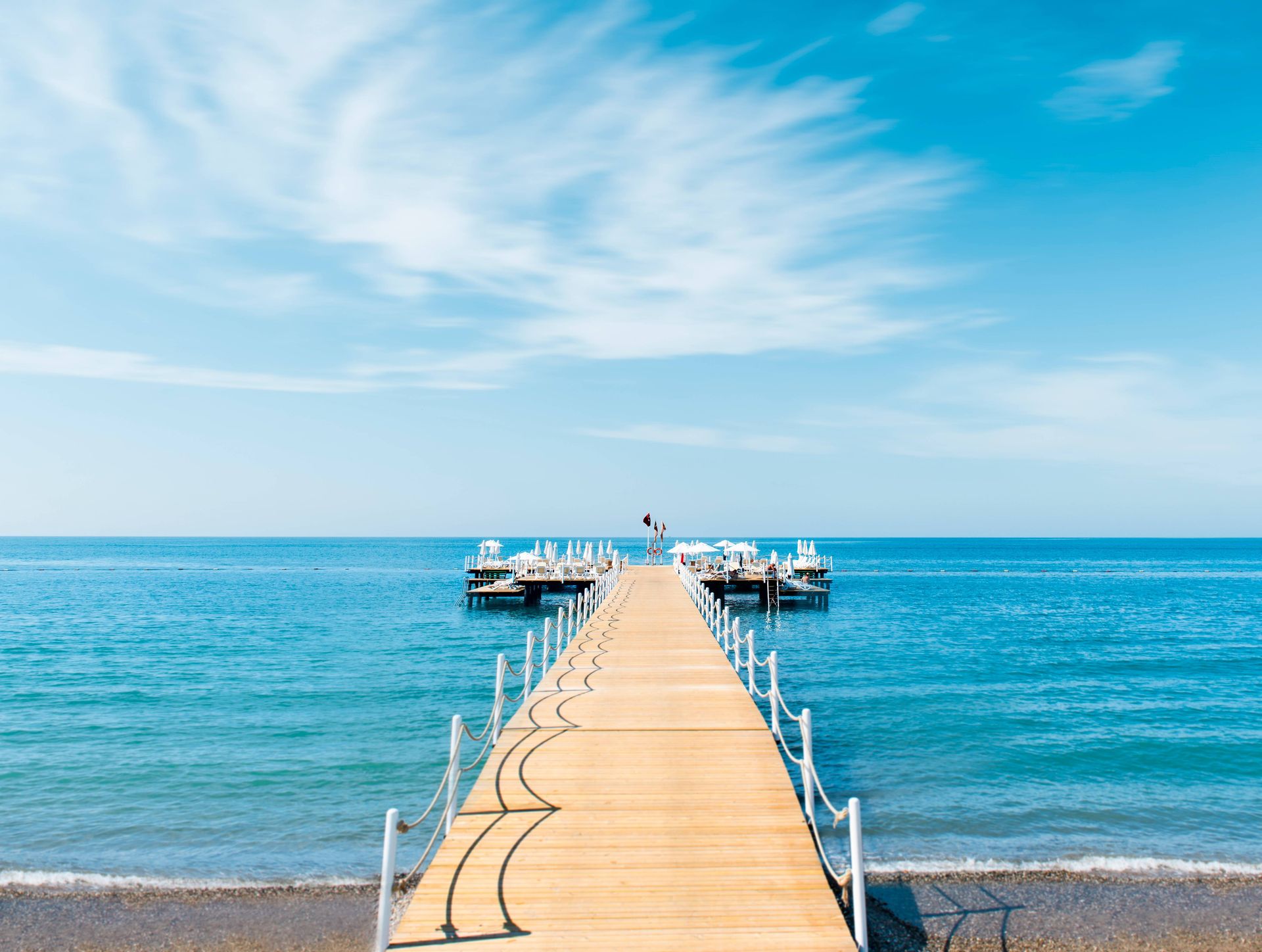
What standard all-inclusive covers in Croatia: breakfast, lunch, dinner (buffet, occasionally with à la carte supplements), local beer, wine, and spirits throughout the day, non-motorized water sports, fitness center, and daytime activities including aerobics and beach volleyball. Scuba diving, boat excursions, spa treatments, premium international spirits, and à la carte restaurants within the resort typically cost extra. Kids' clubs are standard at the larger family properties. Most resorts are directly on the coast with either a pebble beach or a concrete platform and floating pontoon — true sandy beaches are rare in Croatia.
Expect to pay €100–€150 per person per night at budget 3-star all-inclusives in shoulder season, €150–€300 for mid-range 4-star, and €300–€500+ for 5-star properties in peak summer. Dubrovnik commands a premium above other areas, often 30–50% more than comparable properties in Istria or Split.
The ideal time for an all-inclusive holiday in Croatia largely depends on your travel priorities. Peak season, spanning July and August, promises the warmest weather, perfect for swimming and sunbathing, but also brings the largest crowds and highest prices. If you're seeking lively beach scenes and scorching temperatures, this is your window.
For a more balanced experience with pleasant weather, fewer crowds, and better value, the shoulder seasons of May-June and September-October are highly recommended. May and June offer lush landscapes and comfortable temperatures ideal for sightseeing before the intense summer heat sets in. September and early October still boast warm sea temperatures and abundant sunshine, perfect for combining relaxation with exploration of historic towns. This period often provides significant savings on all-inclusive packages.
Croatia does not experience hurricanes or monsoons, offering generally stable weather during the summer months. During the off-season from November to April, many coastal resorts close, and all-inclusive options are very limited due to cooler, less predictable weather. For the best deals and optimal weather for both beach activities and cultural excursions, booking an all-inclusive stay in the shoulder seasons is undoubtedly your best bet.
The Dalmatian Coast is a broad region running from Split south toward Dubrovnik, encompassing the Makarska Riviera and access to islands like Brač, Hvar, and Korčula. Bluesun operates several all-inclusive properties along the Makarska Riviera, where pebble beaches back up against the Biokovo mountains. The area is well suited for travelers who want a combination of beach time and island day trips via the frequent ferry services.
Dubrovnik's Old Town is the most visited site in Croatia, and the Lapad peninsula just west of the city holds most of the all-inclusive resort inventory — Valamar Lacroma Dubrovnik being the largest. Cavtat, about 20 minutes south, is quieter and slightly cheaper. The Adriatic here is clear and swimmable but pebbled rather than sandy. Expect to pay a significant premium over other Croatian regions: Dubrovnik is the most expensive corner of the country for accommodation.
Split itself has limited all-inclusive inventory, but the surrounding area — including Omiš and the start of the Makarska Riviera — has a growing number of properties. The Diocletian's Palace in Split's old town is genuinely impressive and worth a half-day visit from a nearby resort. The Makarska stretch has long pebble beaches and clear water with the dramatic Biokovo ridge as a backdrop. Best for travelers who want easy ferry access to multiple islands alongside beach time.
Istria is the most Italian-influenced part of Croatia — closer to Venice than to Dubrovnik geographically and culturally. The resort concentration is around Poreč (Valamar has several large properties here) and Rovinj (Maistra's base). The coastline is rocky rather than beachy, but the water is very clear. Istrian cuisine — truffles, wine, olive oil, seafood — is notably better than the standard buffet fare, making Istria worth choosing if dining matters. Family-friendly and lower-key than Dubrovnik.
Zadar's all-inclusive scene centers on the Borik resort neighborhood, where Falkensteiner Funimation Borik operates a large family property with a water park, kids' clubs, and multiple pools. The city of Zadar has an underrated old town, the Sea Organ (a coastal sound installation), and easy access to Plitvice Lakes National Park — one of the most visited natural sites in Croatia. Dugi Otok island nearby has one of the few genuinely sandy beaches in the country.
Enjoy hassle-free exploration of UNESCO World Heritage Sites like Dubrovnik's Old Town or Split's Diocletian's Palace, with your all-inclusive resort serving as a convenient and comfortable base for day trips.
Experience the stunning natural beauty of national parks such as Plitvice Lakes or Krka, accessible with ease from many all-inclusive locations along the Dalmatian coast.
Indulge in island-hopping adventures to iconic destinations like Hvar or Brač, often facilitated by boat tours or private piers directly from your all-inclusive resort.
Benefit from predictable budgeting and exceptional value, as all your meals, drinks, and many activities are covered upfront, allowing you to relax without worrying about daily expenses at properties like Valamar Tamaris Resort.
Discover a wide array of family-friendly amenities, from kids' clubs and pools to specialized activities at resorts like Valamar Girandella Maro Suites, ensuring a fun-filled vacation for all ages.
Relax on Croatia's famously clear-water pebble beaches, with many all-inclusive resorts offering direct beach access, providing a perfect blend of sun, sea, and convenience.
Most international travelers, especially from the US, will fly into major European hubs (e.g., Frankfurt, London, Vienna) and then take a connecting flight to one of Croatia's international airports like Dubrovnik (DBV), Split (SPU), Zadar (ZAD), or Pula (PUY). From the UK and other European cities, direct flights are plentiful during the high season. Once you land, many all-inclusive resorts offer shuttle services, or you can pre-book private transfers. For island resorts, look into convenient ferry or catamaran services that connect to mainland ports.
Croatia uses the Euro (€) as its currency. While your all-inclusive package covers most expenses, it's wise to carry some cash for excursions, local markets, or small purchases outside the resort. Tipping is appreciated but not strictly mandatory; for good service at restaurants or bars, rounding up the bill or leaving 10% is customary. For taxi drivers, simply round up to the nearest convenient figure, and a small tip for hotel staff like bellhops or housekeeping is a nice gesture.
For your Croatian all-inclusive adventure, pack essentials for a Mediterranean climate: swimwear, comfortable sandals, and a sun hat for beach days. Lightweight clothing, including linen and cotton, is ideal for daytime exploration, while a light jacket or cardigan will be useful for cooler evenings, especially in the shoulder seasons. Don't forget comfortable walking shoes for exploring ancient cities and national parks, sun protection (high SPF sunscreen, sunglasses), and a reusable water bottle to stay hydrated while enjoying resort amenities or day trips.
While your all-inclusive resort provides ample entertainment, Croatia's allure lies in its rich surroundings. Take a day trip to the magnificent Plitvice Lakes or Krka National Park to witness their cascading waterfalls. Explore the ancient walled city of Dubrovnik, the Diocletian's Palace in Split, or the charming streets of Rovinj. Consider an island-hopping excursion to Hvar for its vibrant nightlife or Brač for its famous Golden Horn beach. Many resorts can help arrange these excursions, often with convenient pick-up and drop-off services.
The 'best' resort depends on your preferences! For families, Valamar Girandella Maro Suites in Rabac offers extensive kids' facilities and a fantastic beachfront location. If you're looking for a lively atmosphere with excellent amenities in Zadar, Falkensteiner Funimation Borik is highly popular. For a luxurious escape with stunning views, consider properties like the Grand Park Hotel Rovinj by Maistra, which also offers all-inclusive options.
All-inclusive prices in Croatia vary widely. Budget-friendly options can start from €100-€150 per person per night during shoulder seasons, especially for 3-star properties. Mid-range 4-star resorts typically range from €150-€300 per person per night, while luxury 5-star properties, particularly in prime locations like Dubrovnik, can easily exceed €300-€500+ per person per night during peak summer.
Yes, Croatia is increasingly becoming an excellent destination for all-inclusive resorts. It offers a unique blend of stunning natural beauty, rich history, and convenient resort amenities. While different from traditional Caribbean models, Croatian all-inclusive resorts provide a hassle-free way to explore the country's diverse landscapes and cultural treasures, appealing to families, couples, and active travelers alike.
Many travelers find all-inclusive resorts in Croatia to be highly worth it, especially for the convenience and value. They offer predictable budgeting, taking the stress out of daily spending, and serve as excellent bases for exploring the surrounding historical towns and national parks. The ability to relax by the pool or beach with everything taken care of adds significant appeal.
The term 'all-inclusive' in Croatia can vary. Standard 'all-inclusive' typically covers three to five buffet meals daily, an open bar with alcoholic and non-alcoholic drinks, and access to hotel programs and facilities. More commonly, 'all-inclusive light' packages include three meals daily with drinks provided only during meal times, with complimentary snacks and drinks outside meal hours being less common for adults.
The cheapest time to visit Croatia for an all-inclusive vacation is during the shoulder seasons: May to early June and September to early October. During these months, you'll find more moderate prices, fewer crowds, and pleasant weather that is ideal for both swimming and sightseeing. Traveling in the off-season (November-April) would be cheapest, but all-inclusive options are very limited.
While the majority of Croatian all-inclusive resorts cater to families, adults-only options do exist, though they are less common than in other destinations. Some TUI Blue branded hotels offer adults-only all-inclusive experiences, focusing on a more serene and sophisticated atmosphere for couples and adult groups. Always filter your search specifically for adults-only properties to find these gems.
Croatia is renowned for its stunning, crystal-clear Adriatic waters and primarily pebble beaches. These beaches are known for their cleanliness and vibrant blue hues. While pebble beaches are dominant, some rare sandy beaches can be found, such as Saharun beach on Dugi Otok near Zadar, offering a slightly different experience. Many all-inclusive resorts offer direct access to these picturesque pebble shores.
Croatian all-inclusive resorts generally offer a more European, culturally immersive experience compared to the often expansive, resort-centric mega-resorts found in the Caribbean or Mexico. While offering comfort and convenience, Croatian properties tend to be smaller, with a greater emphasis on exploring the rich historical towns and natural beauty of the surrounding region, rather than purely resort-based entertainment.
The presence of major international all-inclusive chains like Sandals, Club Med, or Riu is currently limited in Croatia. While Hilton and Hyatt are expanding their footprint, and Iberostar has a nearby property in Montenegro, the Croatian all-inclusive market is predominantly served by strong local brands such as Valamar, Falkensteiner, Maistra, and Bluesun, which offer a high standard of service and amenities.